Top Emergency Plumbers in Union Gap, WA, 98901 | Compare & Call

There are 50 plumbing companies server in Union Gap WA
Jeo's Plumbing is a trusted local plumbing service in Yakima, WA, dedicated to solving common household plumbing issues that Yakima homeowners face. We specialize in comprehensive plumbing solutions, ...

Campbell & Company
Since 1983, Campbell & Company has been a trusted name in home services, starting from a humble garage in downtown Pasco and growing through a steadfast commitment to quality and customer care. Today,...
1st American Plumbing has been a trusted name for over 15 years, providing reliable plumbing services to both homes and businesses throughout Yakima, WA. Our licensed and bonded team is equipped to ha...
CSR Drain Cleaning & Plumbing
CSR Drain Cleaning & Plumbing brings over 17 years of dedicated plumbing expertise to Yakima and Kittitas Counties. Founded in 2017, our mission is rooted in providing reliable, high-quality service f...
Generations Trenchless and Plumbing
Thomas, the owner of Generations Trenchless and Plumbing, brings over 16 years of plumbing experience, with the last decade focused on trenchless technology, to West Richland and the Tri-Cities. He fo...

Viking Plumbing & Mechanical is your trusted, local plumbing partner serving Yakima, Selah, Ellensburg, and the Tri-Cities area. We are a licensed and insured team dedicated to providing reliable plum...
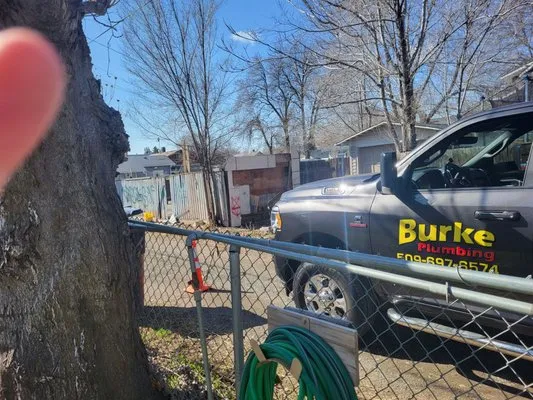
Burke Plumbing
Burke Plumbing is a family-owned plumbing company serving the Yakima community since 1981. Founded by Richard Burke and now led by his son, Lance, we are a proud third-generation business with fourth-...
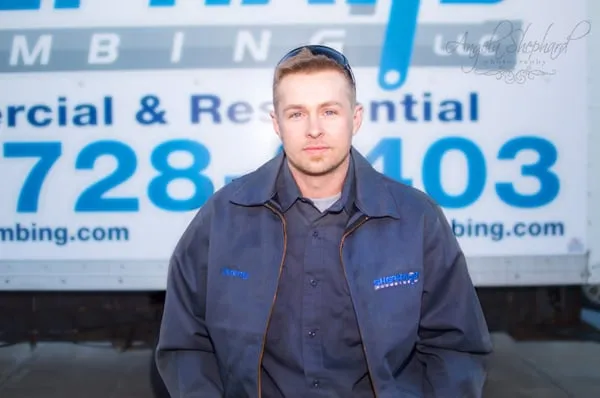
Shephard Plumbing was founded in Yakima in 2014 by a journeyman plumber with more than 15 years of hands-on experience. The company was built on a desire to serve the local community by providing a le...
Founded by Marcus Angeline, 24 Rooter of Yakima is built on a foundation of local experience and personal commitment. Marcus began his plumbing career in 1992, honing his skills in new construction be...
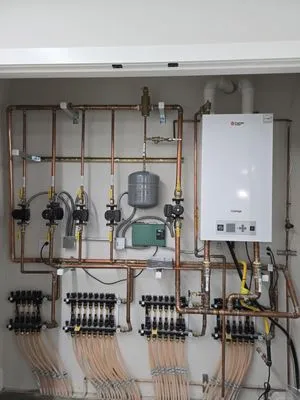
1st Choice Plumbing and Repair is Selah's trusted local plumbing expert, providing comprehensive residential and commercial services to keep homes and businesses running smoothly. We specialize in eve...
Estimated Plumbing Costs in Union Gap, WA
FAQs
Why do my copper pipes keep springing pinhole leaks?
Copper pipes installed in 1972 are susceptible to pinhole leaks due to a process called Type 2 pitting corrosion. Our mineral-rich water accelerates this, creating isolated pits that eventually penetrate the pipe wall. The leaks often appear first on horizontal hot water lines. Re-soldering a pitted section rarely works; the corrosion continues, so replacing the affected run is the standard repair.
What's one thing I should do before spring to avoid a plumbing disaster?
Before the spring thaw hits its peak, disconnect and drain your garden hoses. A hose bib that freezes and bursts is one of the most common calls we get. In our arid climate, homeowners often forget this step because deep freezes are less frequent, but our lows around 24 degrees are cold enough to crack a faucet or the pipe behind it.
Does our local water from the Naches-Cowiche River damage water heaters?
Yes, the hard water contributes significant scale buildup. Inside your water heater, this mineral scale acts as an insulator on the heating element or gas burner, forcing it to work harder and fail prematurely. You'll see reduced hot water capacity and higher energy bills. Installing a whole-house water softener is the most effective way to protect the heater and all your fixtures from this scaling.
My house in Union Gap was built in the 1970s. Should I be worried about my plumbing?
You have copper piping that is now 54 years old. For homes built around 1972 along the Ahtanum Road Corridor, this is the stage where we commonly see widespread pinhole leaks and joint failures. The copper has been through decades of our hard water, and its natural thinning from internal corrosion is now showing up as persistent drips inside walls or under slabs. Re-piping is often a more reliable long-term solution than chasing individual leaks at this age.
Could the flat land around Fullbright Park cause sewer line problems?
The relatively plain terrain can lead to poor drainage slope on sewer laterals. If the original installation didn't get the grade right, waste water and solids don't move as they should, leading to recurring clogs and buildup inside the pipe. We often use a camera to diagnose these slow-drain issues, checking for bellies or low spots in the line that need correction.
I need a water heater replaced. What permits are required in Union Gap?
The Union Gap Building Department requires a permit for a water heater replacement, and the work must be performed by a plumber licensed with the Washington State Department of Labor & Industries. I handle pulling the permit and scheduling the required inspections. This ensures the installation meets current code for seismic strapping and proper venting, so you don't have to manage the red tape.
As a suburban homeowner here, what's my biggest plumbing risk?
Your main risk is the age of the infrastructure itself—both in your home and under the street. While you're on a municipal system, the water pressure can fluctuate, stressing old copper joints. Furthermore, the lateral sewer line from your house to the main can be compromised by ground settlement over decades, which is common here. A video inspection can assess its condition before a backup occurs.
How fast can a plumber get to my home in Union Gap if I have a burst pipe?
Our typical dispatch route has us heading past Fullbright Park to access I-82, which connects directly to most neighborhoods. From there, a 20 to 30 minute response is standard for an emergency call. We keep trucks stocked with common fittings for 1970s-era copper to address leaks immediately upon arrival.
