Top Emergency Plumbers in Suquamish, WA, 98370 | Compare & Call

There are 236 plumbing companies server in Suquamish WA
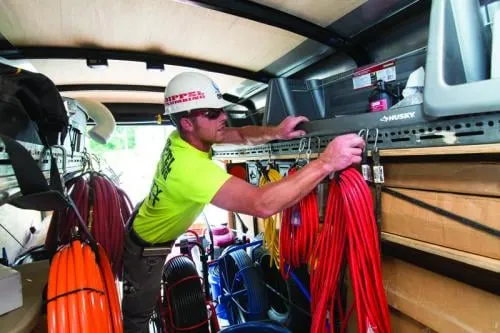
Einstein Plumbing is a trusted Seattle plumbing company serving homeowners and businesses throughout the greater Seattle area. We specialize in comprehensive plumbing solutions, from hot water recircu...

Salish Plumbing Co. is a veteran, Native-owned plumbing company serving Shoreline, WA, and the surrounding communities. We provide a comprehensive range of services for both homes and businesses, from...
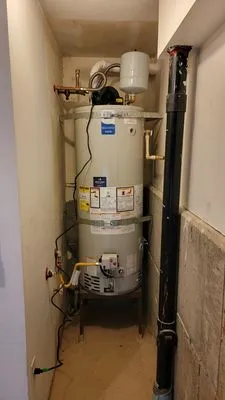
Watertite Plumbing, Heating, and Sewer
Watertite Plumbing, Heating, and Sewer was founded by a plumber who started in the trade young, developing skills and a strong work ethic. With over a decade of hands-on experience gained alongside th...
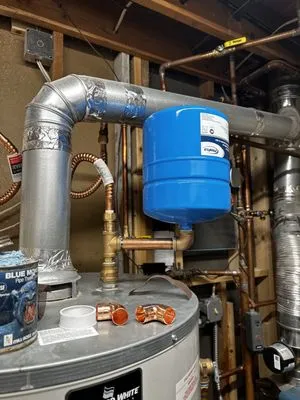
Green City Plumbing & Sewer LLC has been a trusted fixture in the Seattle community for over 15 years. We provide comprehensive plumbing and sewer services for both homes and businesses, focusing on r...
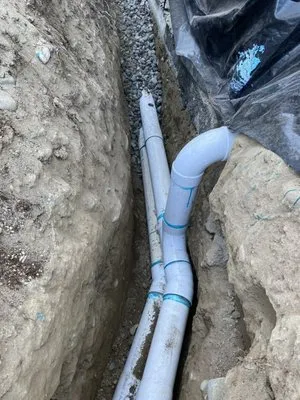
Lake Hills Rooter has been serving Bellevue homeowners and businesses with reliable plumbing and drain services for over a decade. Our experienced team handles everything from routine maintenance like...
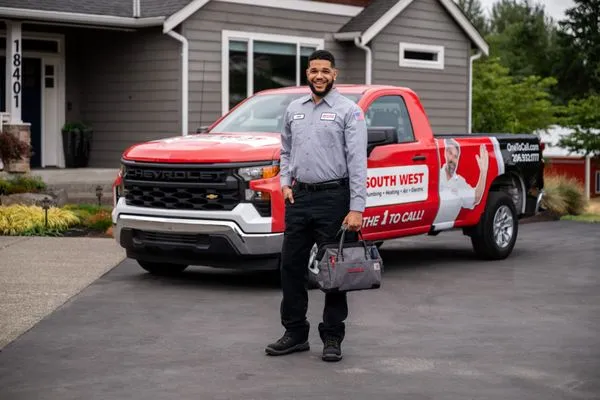
South West Plumbing, Heating, Air, & Electric
South West Plumbing, Heating, Air, & Electric is a family-founded, locally-owned company that has been serving Renton and the Greater Puget Sound area for over four decades. Starting from a single tru...

Action Jackson Drain Cleaning & Plumbing is a family-owned and operated plumbing company serving Edmonds and the greater Seattle area. Founded by siblings Issac and Samone Jackson, who were born and r...
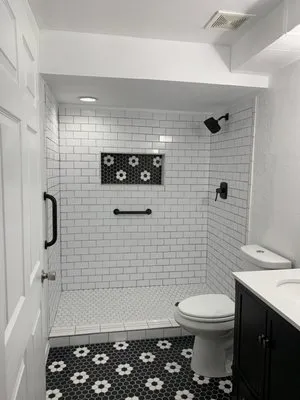
With over 35 years of experience in the Bremerton and Kitsap County area, Ace Works brings a wealth of local knowledge to every plumbing and remodeling project. Our team has excellent troubleshooting ...
Roto-Rooter Plumbing & Water Cleanup
Roto-Rooter Plumbing & Water Cleanup provides trusted plumbing and restoration services for Seattle residents and businesses. We are open, fully staffed, and ready to help 24 hours a day, 7 days a wee...
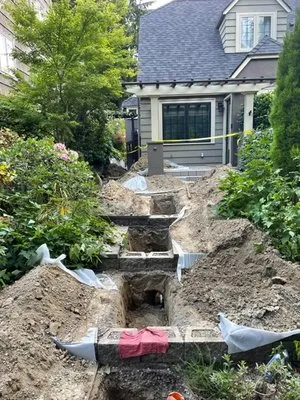
Seattle Pipeworks is a trusted plumbing and sewer service provider with over 30 years of experience serving the greater Seattle area. Founded and operated by Tim Walsh, the company has built lasting r...
Estimated Plumbing Costs in Suquamish, WA
Questions and Answers
My copper pipes were installed around 1983 - what should I expect at this age?
Copper pipes installed in 1983 are now 43 years old, which is when pinhole leaks and joint calcification become common. Homeowners in Suquamish Village often notice small green stains on drywall or reduced water pressure from these issues. The copper has endured decades of water flow and mineral buildup, making proactive inspection worthwhile before a major failure occurs.
As a rural homeowner, what plumbing systems need special attention?
Rural properties require regular septic tank pumping and well system maintenance. Septic systems should be inspected every 3-5 years, while well pumps and pressure tanks need periodic checks. These systems operate independently from municipal utilities, making preventive care essential to avoid costly emergencies.
Does Kitsap's acidic water damage my plumbing fixtures?
Kitsap Public Utility District's acidic water accelerates corrosion in water heaters and fixtures over time. The low pH attacks metal components, particularly in water heater tanks and faucet cartridges. Installing a whole-house neutralizer or using dielectric unions at connections can mitigate this corrosive effect.
What's the most important winter plumbing tip for Suquamish's climate?
When temperatures approach 36°F, disconnect and drain outdoor hoses to prevent freeze damage to spigots and interior pipes. Our temperate climate means sudden cold snaps catch homeowners unprepared. Insulating exposed pipes in crawl spaces provides additional protection during winter freeze peaks.
Who handles permits for plumbing work in Kitsap County?
We manage all required permits through Kitsap County Department of Community Development and maintain current Washington State Department of Labor and Industries credentials. This includes septic modifications, water heater replacements, and major repipes. Handling this red tape ensures your project meets local codes without burdening you with paperwork.
How quickly can a plumber reach my home in Suquamish?
Heading past Old Man House Park on State Route 305, our dispatch route covers most of the area within 45-60 minutes. We monitor traffic patterns on SR 305 to optimize response times, especially during ferry commutes. This routing ensures we reach homes efficiently while maintaining safe driving practices.
How does Suquamish's coastal terrain affect my home's drainage?
The sloping coastal soil around Old Man House Park creates drainage challenges that stress main sewer lines. Gravity pulls water downhill, which can overload drainage systems during heavy rains. Proper grading around your foundation and regular drain line cleaning prevent backups from terrain-related pressure.
Why do my 1980s copper pipes keep developing pinhole leaks?
Copper pipes from the early 1980s often develop pinhole leaks due to decades of internal corrosion and scale buildup. The thin spots in the pipe wall eventually fail, creating small but persistent leaks. These typically appear first at joints or bends where water turbulence accelerates wear.
