Top Emergency Plumbers in Stevenson, WA, 98648 | Compare & Call

There are 74 plumbing companies server in Stevenson WA
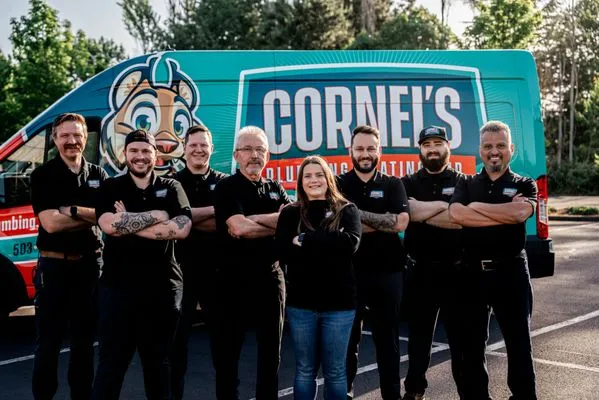
Cornel's Plumbing, Heating & Air Conditioning
Cornel's Plumbing, Heating & Air Conditioning is a family-run business serving Beaverton for over 30 years. Our journey began in Romania, where Cornel himself started out with just a bicycle to carry ...
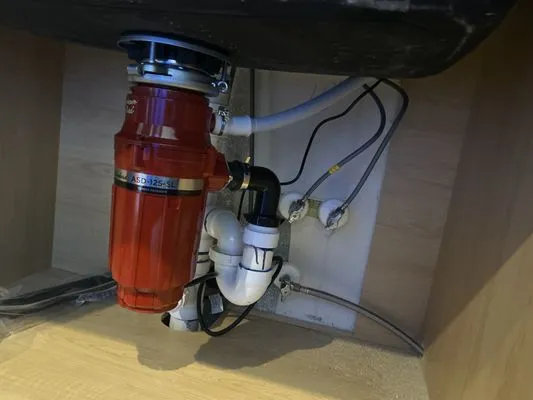
5 Daughters Plumbing is a veteran-owned, licensed plumbing service serving Troutdale, OR and the Greater Portland area. We provide comprehensive plumbing solutions for both residential and commercial ...
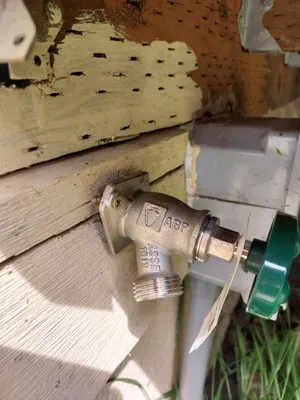
Always Affordable Plumbing is a trusted local plumbing company serving Portland, OR, dedicated to providing reliable and cost-effective solutions for homeowners. We specialize in addressing the unique...

Wolcott Services
Wolcott Services has been a trusted plumbing, electrical, and HVAC provider in Portland since 1978. We combine decades of local experience with a commitment to helping our neighbors, offering comprehe...
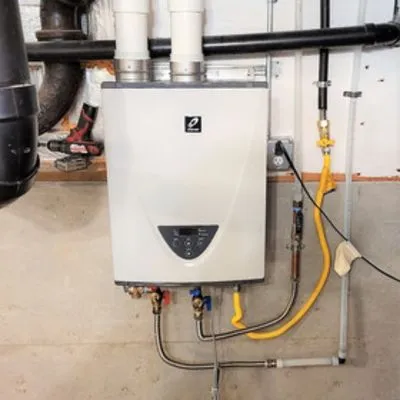
Tualatin Valley Plumbing
Tualatin Valley Plumbing is your local, licensed plumbing provider serving Damascus and the surrounding area. Owned and operated by Larry Peters since 2018, we bring reliable, transparent service to e...

Wolcott Services
Since 1978, Wolcott Services has been the trusted, family-owned home service provider for Troutdale and the greater Portland area. We combine decades of local expertise with a comprehensive approach t...

Roth Home
For over 45 years, Roth Home has been a trusted name for Aurora homeowners needing reliable heating, cooling, plumbing, electrical, and drain services. Founded in 1976, this local company built its re...
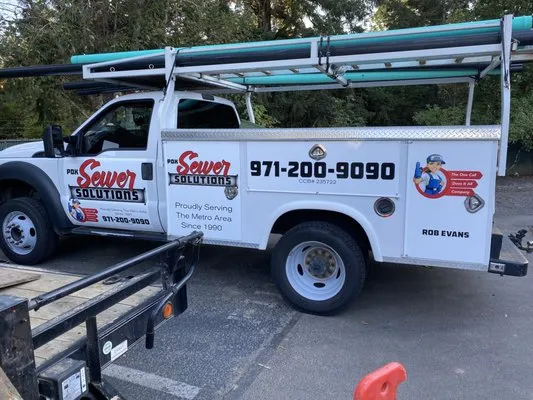
PDX Sewer Solutions is a trusted sewer service provider with over 25 years of experience serving Portland and surrounding areas. We specialize in comprehensive sewer and plumbing solutions for both re...
West Side Drain is a locally owned and operated drain cleaning and septic service company based in Gaston, OR, serving the Portland Metro area and surrounding counties. As a family-owned business, we ...
Da Vinci's Best Plumbing
Da Vinci's Best Plumbing is a licensed and insured family-owned plumbing service serving the Greater Portland area, including Gresham. Established in 2023, we specialize in comprehensive residential p...
Estimated Plumbing Costs in Stevenson, WA
Question Answers
Do I need a permit to replace my water heater in Stevenson?
Yes, the City of Stevenson Building Department requires a permit for water heater replacement, and the work must be performed by a plumber licensed with the Washington State Department of Labor & Industries. I pull the permit, schedule the inspection, and ensure the installation meets all current code for seismic strapping and pan requirements. My credentials mean I handle that red tape so you don't have to worry about compliance or fines.
Why are my copper pipes in Stevenson suddenly starting to leak?
Your home's copper plumbing is now 39 years old, a typical lifespan for this material in our area. In Downtown Stevenson, you're likely seeing the first signs of age-related failure, often pinhole leaks appearing at solder joints or along horizontal pipe runs. Decades of water flow and the natural expansion and contraction of the pipe have thinned the walls in spots. This isn't a matter of if, but when, these small leaks will develop into a more significant issue.
Does the soft water from Rock Creek damage my water heater?
Yes, soft, low-mineral water is actually more corrosive to metal components inside your tank. Without a protective layer of scale, the water aggressively attacks the anode rod and glass lining designed to protect the steel tank. This accelerates wear and can lead to premature failure. We recommend inspecting and possibly replacing the anode rod every 3-5 years, a simple maintenance task that can double the life of your water heater.
What is the most common plumbing repair in a Stevenson home built in the late 1980s?
The most frequent call is for pinhole leaks in the Type M copper pipes installed around 1987. The thinner wall of Type M copper, combined with decades of exposure to our water, leads to localized corrosion and failure. You'll often find these leaks in the first five feet of pipe off the water heater or in ceiling runs. Repairs typically involve cutting out the failed section and replacing it with a more durable material like Type L copper or PEX.
What's the most important thing to do before spring in Stevenson to prevent plumbing problems?
Disconnect and drain your garden hoses before the last freeze, usually around that 31-degree mark. A forgotten hose traps water in the bib, which can freeze and crack the pipe inside your wall. Then, as the spring thaw hits its peak, walk your property to check for any new damp spots or foundation cracks that could indicate a main line leak from shifted ground. Catching that early prevents major excavation later.
Could the hilly land in Stevenson cause my main sewer line to fail?
Absolutely. The slope of your lot and the soil composition around the Columbia River Gorge put constant stress on the main sewer line. Over decades, this can cause the pipe to sag or develop a belly where waste collects, or the joints can separate. During heavy rains, saturated hillside soil increases hydrostatic pressure against the pipe, which is a common cause of sudden blockages or collapses in older lines.
How long does it take a plumber to get to Stevenson, WA for an emergency?
Our dispatch route from our shop heads past the Columbia River Gorge on State Route 14 directly into Stevenson. Under normal conditions, we can be at your door in 45 to 60 minutes. We monitor traffic and weather along the Gorge corridor closely, as a slide or accident can impact that timeframe. We'll provide a realistic ETA when you call so you know exactly when to expect us.
I'm on a well and septic system in Stevenson. What plumbing issues are unique to that setup?
Your system's health depends entirely on consistent water pressure from the well pump and a balanced septic field. A sudden drop in pressure often signals a failing pressure tank or pump. On the septic side, the hilly terrain means your drain field must be properly graded; a saturated field from a leaking pipe or overuse will back up into the house first. We always check both the supply and waste sides together during a service call.
