Top Emergency Plumbers in Stansberry Lake, WA, 98329 | Compare & Call

There are 165 plumbing companies server in Stansberry Lake WA

Two Brothers Water Heater Repair
Two Brothers Water Heater Repair is a family-operated plumbing service in Seattle, WA, founded by brothers who learned the trade from their father and gained experience working for various plumbing co...
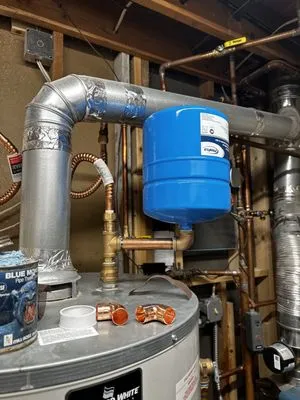
Green City Plumbing & Sewer LLC has been a trusted fixture in the Seattle community for over 15 years. We provide comprehensive plumbing and sewer services for both homes and businesses, focusing on r...
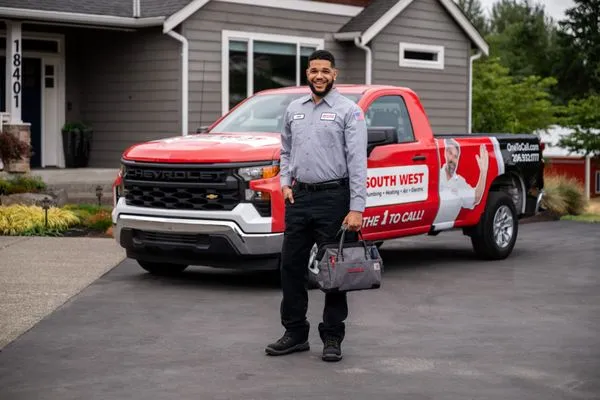
South West Plumbing, Heating, Air, & Electric
South West Plumbing, Heating, Air, & Electric is a family-founded, locally-owned company that has been serving Renton and the Greater Puget Sound area for over four decades. Starting from a single tru...
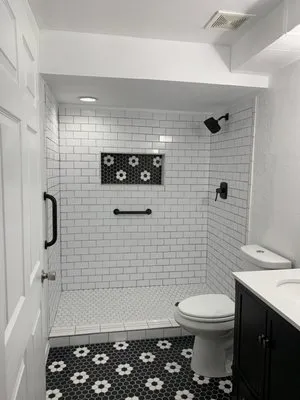
With over 35 years of experience in the Bremerton and Kitsap County area, Ace Works brings a wealth of local knowledge to every plumbing and remodeling project. Our team has excellent troubleshooting ...
Roto-Rooter Plumbing & Water Cleanup
Roto-Rooter Plumbing & Water Cleanup provides trusted plumbing and restoration services for Seattle residents and businesses. We are open, fully staffed, and ready to help 24 hours a day, 7 days a wee...
West Sound Plumbing Service
West Sound Plumbing Service is a locally owned and operated, full-service plumbing company dedicated to providing Poulsbo and Kitsap Peninsula residents with fast, on-time, and reliable service. We ha...
Black Hills
Black Hills in Olympia, WA is a trusted local provider of HVAC, plumbing, and electrical services for homeowners in Thurston County. Since 1993, we've specialized in comprehensive home comfort solutio...

Seattle Bath and Shower is a local, small business dedicated to transforming bathrooms in the Seattle area. We specialize in efficient one-day installations for tub-to-shower and shower-to-tub convers...
Neptune Plumbing is a Seattle-based plumbing service provider committed to solving the everyday and emergency plumbing challenges of local residents. We specialize in a comprehensive range of services...

Puget Sound Plumbing And Heating
Puget Sound Plumbing and Heating is a family-owned and operated business serving Burien and the wider Puget Sound region for over 20 years. Founded with a mission to deliver quality work at a fair pri...
Estimated Plumbing Costs in Stansberry Lake, WA
FAQs
Who handles the permits if I need to replace my main water line?
Any work on the main water line or sewer lateral requires permits from Pierce County Planning and Public Works. As a licensed Master Plumber credentialed by the Washington State Department of Labor & Industries, I handle that red tape for you. The process includes inspections to ensure the repair meets current code, which protects your home's value and ensures the system's integrity for the whole neighborhood.
Does having soft city water from Gig Harbor affect my plumbing?
Gig Harbor's soft, low-mineral water is gentle on fixtures but can be slightly more corrosive to certain metals over long periods. The main impact is often seen in water heaters. The anode rod, which sacrifices itself to protect the tank, can deplete faster in soft water. Checking and replacing that rod every 3-5 years is a key maintenance step to extend your heater's life in our area.
How fast can a plumber get to my house in Stansberry Lake for an emergency?
Our dispatch route from the shop typically heads past Stansberry Lake Park on WA-16. Traffic on the highway is the main variable, but for an urgent call, we plan for a 25 to 35 minute response window to most addresses in the community. We factor in that final mile of local roads, which can be narrow, so we communicate ETA updates clearly once we turn off the main artery.
Could the hilly land around Stansberry Lake be causing my drainage problems?
Absolutely. The slope of your property dictates how your drain lines perform. On a hill, the main sewer lateral from your house to the street can experience added stress and potential settlement over time. For homes at the bottom of a grade, surface water runoff can overwhelm perimeter drains. Proper grading away from your foundation and a well-maintained cleanout are critical defenses against this terrain.
What's the most important thing to do to prevent frozen pipes in our Gig Harbor winters?
Our temperate climate means deep freezes are brief, but temperatures at or below 35°F are the danger zone. The pro-tip is to disconnect, drain, and store garden hoses before the first cold snap. A forgotten hose bib is the most common point of failure. For homes with crawl spaces, ensure all foundation vents are securely closed to keep cold air away from pipes running under the floor.
Why does my 1980s copper pipe keep springing pinhole leaks?
Copper pipe from that era is prone to a specific type of corrosion called Type 1 pitting. After 45 years, microscopic pits in the pipe wall can finally penetrate, creating those frustrating pinhole leaks. This is often accelerated in hot water lines. The fix isn't just a patch; the compromised section needs to be replaced, and it's wise to assess the condition of the entire run to prevent a recurring issue.
My home was built in the early 80s like most of Lakeview Estates. What should I expect from my plumbing now?
Your copper plumbing is now 45 years old. This is the typical lifespan for copper in our area. In Lakeview Estates, I'm frequently seeing pinhole leaks developing in hot water lines, especially behind walls or under slabs. The metal simply fatigues over decades of thermal expansion and contraction. Proactive inspection of accessible pipes, particularly near the water heater, can help you spot a small leak before it causes significant damage.
As a suburban home on city water, what are my most likely plumbing issues?
Municipal water pressure is generally reliable, but pressure regulators can fail after 20 years, leading to high pressure that stresses fixtures and joints. The other common suburban issue is tree roots seeking moisture and infiltrating the older joint connections of your sewer lateral. A slow-draining basement floor drain or gurgling toilets can be the first sign of root intrusion in the line running to the county main.
