Top Emergency Plumbers in South Wenatchee, WA, 98801 | Compare & Call

There are 52 plumbing companies server in South Wenatchee WA
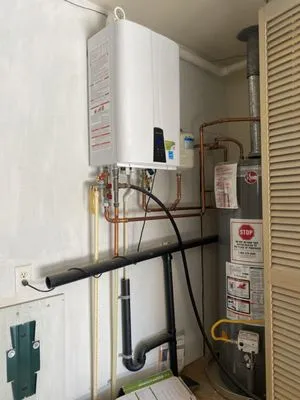
All Pro Plumbing is a trusted local plumbing company serving Selah, Washington, and the greater Yakima Valley. With over 20 years of experience, the owner is a 4th generation Washington State licensed...

Pro Vision Plumbing is a trusted, locally-owned plumbing company serving Selah and the surrounding Yakima Valley. We specialize in a full range of residential plumbing services, from routine faucet re...

Plumb Perfect is a locally-owned and licensed plumbing service that has been a trusted fixture in Wenatchee and North Central Washington since 1998. Founded on principles of reliability and clear comm...

American Plumbing provides reliable plumbing services for homes and businesses throughout Wenatchee and the surrounding area. Our team is experienced with the specific challenges faced in our region, ...
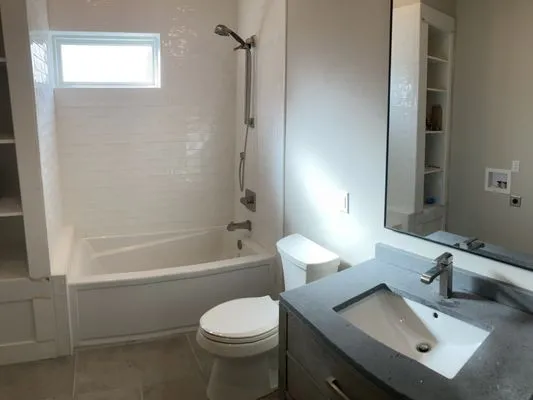
After 24 years in the trade, I founded L-Bow Grease in East Wenatchee to provide reliable plumbing and remodeling services. I handle everything from routine faucet repairs and drain cleaning to comple...
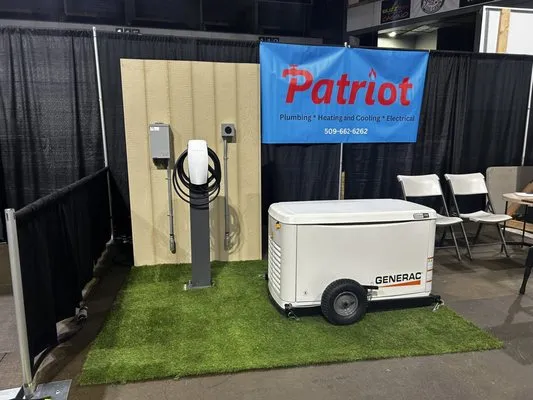
Patriot Plumbing, Heating & Cooling
Founded in 2006 by Master Plumber Matt LaVergne, Patriot Plumbing, Heating & Cooling began as a plumbing and well pump service dedicated to the Wenatchee Valley. After five years of growth and respond...
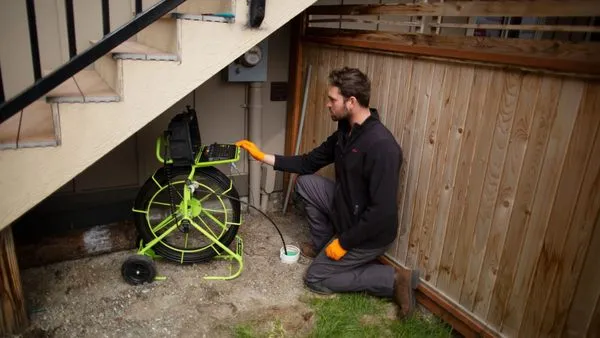
Allied Plumbing And Pumps
Allied Plumbing and Pumps is a family-owned business built on four generations of plumbing knowledge, proudly serving Wenatchee and North Central Washington since 2009. Founded by local brothers Ron a...
Saddlerock Plumbing and Mechanical LLC is a trusted provider of plumbing and mechanical services for the Wenatchee Valley and surrounding counties. We specialize in a comprehensive range of solutions,...

Peet Plumbing
For over 50 years, Peet Plumbing has been the trusted, family-owned plumbing contractor for Wenatchee and its surrounding communities. Founded in 1966, we offer a complete range of plumbing solutions ...

DNM Plumbing is a family-owned and operated business that has been serving the Wenatchee community with reliable plumbing solutions for over 35 years. Our experienced plumber provides quick, friendly,...
Estimated Plumbing Costs in South Wenatchee, WA
Common Questions
Does Columbia River water damage my water heater?
Columbia River water carries dissolved minerals that form scale inside water heaters. The hard water causes sediment accumulation at the tank bottom, reducing efficiency and lifespan. Anode rods in water heaters corrode faster here, requiring replacement every 3-4 years instead of the typical 5-6. Scale buildup also affects shower heads and faucet aerators, reducing water pressure over time.
What should I do before spring thaw to prevent plumbing problems?
Before temperatures rise above freezing, check all exterior hose bibs for proper drainage. The arid climate here means soil contracts during cold spells, potentially stressing underground lines. Insulate pipes in crawl spaces where the 24°F lows can reach. Schedule a pressure test on your main line in late winter - the spring thaw reveals leaks that developed over winter.
How quickly can a plumber reach my home in South Wenatchee?
Heading past Pybus Public Market on US-2, most South Wenatchee addresses are 20-30 minutes from dispatch. The route follows the Columbia River corridor with predictable traffic patterns. We plan for peak times around shift changes at local facilities. Emergency calls get routed to avoid Wenatchee Avenue congestion during market hours.
What causes those tiny leaks in older copper pipes?
Pinhole leaks develop in 57-year-old copper due to electrolytic corrosion and scale buildup. The hard water in South Wenatchee accelerates this process, creating weak spots where the pipe wall thins over decades. Joints from the late 1960s often fail because the solder contains lead, which becomes brittle. These failures typically start in hot water lines and at fixture connections.
As a South Wenatchee homeowner, what should I know about my water pressure?
Municipal pressure in this suburban area typically runs 60-80 PSI, which stresses older copper systems. Pressure regulators often fail after 15-20 years, allowing spikes that accelerate pipe failures. Tree roots from mature landscaping frequently invade sewer laterals, requiring camera inspections. Most homes here have standard 3/4-inch main lines that may need upgrading for modern fixture demands.
Does the hilly terrain around South Wenatchee affect my drainage?
The slope from Pybus Public Market toward residential areas creates drainage challenges. Downhill properties experience increased hydrostatic pressure on sewer laterals. Soil erosion on hillsides can expose or stress main water lines. Proper grading around foundations is essential - many homes need French drains or sump pumps to handle runoff from higher elevations.
What permits do I need for a plumbing repair in South Wenatchee?
The Wenatchee Community Development Department requires permits for water heater replacements, re-pipes, and sewer line repairs. As a Washington State Department of Labor and Industries licensed master plumber, I handle the red tape so you don't have to. This includes pressure tests, inspections, and documentation for warranty purposes. Proper permitting ensures work meets current code for insurance and resale requirements.
My South Wenatchee home was built around 1969 - should I be worried about my plumbing?
Copper pipes installed in 1969 are now 57 years old. Homeowners in South Wenatchee are seeing pinhole leaks and joint failures as the copper reaches the end of its typical 50-70 year lifespan. The thin-walled copper used in that era develops corrosion from decades of hard water exposure. You might notice small damp spots on walls or ceilings, or hear water running when no fixtures are in use.
