Top Emergency Plumbers in Salmon Creek, WA, 98685 | Compare & Call

There are 76 plumbing companies server in Salmon Creek WA
Rescue Rooter provides reliable plumbing and drain services for Clackamas and the greater Portland area. We are a locally-operated team offering emergency response and a wide range of repairs and inst...

Jim Grippin Handyman Services provides reliable and expert plumbing solutions for Portland, OR homeowners. We understand the unique challenges Portland properties face, including frequent septic syste...
Summit Plumbing is a trusted local fixture in Vancouver, WA, built on a foundation of deep expertise and genuine customer care. Owner Tyler Draper, who began his plumbing career in 2001, purchased the...
For 25 years, I've been the person Vancouver, WA homeowners and businesses call when their drains stop working. Now, with my own shop, That Drain Guy, I personally handle every job to ensure the quali...

P1 Plumbing
P1 Plumbing is a family-owned, licensed, bonded, and insured plumbing service based in Vancouver, WA, serving the local community and the Portland Metro area. With over 16 years of industry experience...

Henco Plumbing Services
Henco Plumbing Services is a licensed plumbing and electrical provider serving Ridgefield, WA, and the surrounding Clark County area. We offer comprehensive solutions for both residential and commerci...
Roto-Rooter Plumbing & Water Cleanup
When Vancouver, WA homeowners and businesses face plumbing issues, they rely on the dependable, fast, and friendly team at Roto-Rooter Plumbing & Water Cleanup. We're a locally available, fully staffe...
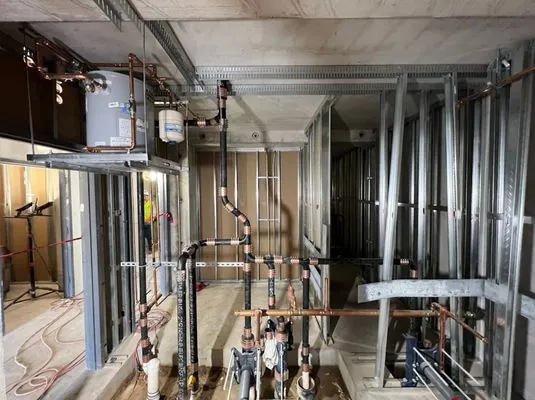
Cascade Clean Water LLC is your trusted local plumbing partner in Vancouver, WA. With several years of industry experience, our licensed team provides dependable plumbing solutions for both homes and ...
Advanced Plumbing has been a trusted name in Vancouver, Washington, since 1971. As a family-operated business, we take pride in our deep local roots and commitment to serving our neighbors. Our team s...
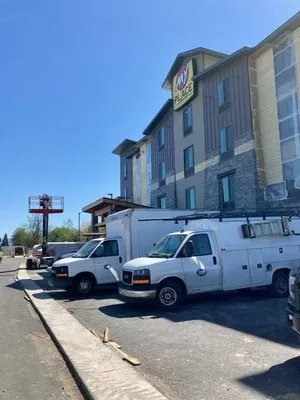
Russell & Sons Plumbing has been a trusted fixture in the Vancouver, WA, community since 1993, providing reliable residential and commercial plumbing services. We specialize in quality installations, ...
Estimated Plumbing Costs in Salmon Creek, WA
Question Answers
My home was built in the 1980s. Should I be worried about my plumbing?
Homes built around 1986, common in Salmon Creek Estates, are now 40 years old. That is the typical lifespan for Type M copper pipe installed at that time. You may notice pinhole leaks appearing, especially at joints or in sections where the protective scale has worn thin. These small leaks are a sign the system is aging and often precede a more significant failure. Proactive inspection of supply lines can help you manage repairs before they cause major water damage.
Could the hilly land here cause plumbing problems?
The slope of properties near the Salmon Creek Greenway Trail and throughout the area directly stresses sewer main lines. Gravity constantly pulls the pipe downhill, which can strain joints and lead to separations or bellies in the line over time. This terrain also affects drainage, potentially directing surface water toward your foundation. Proper grading and regular video inspections of your main sewer line can identify these stress points before a backup occurs.
What permits are needed for a water heater or bathroom remodel?
Clark County Community Development requires permits for water heater replacements and any plumbing alterations that move fixtures. As a Master Plumber licensed by the Washington State Department of Labor & Industries, I pull these permits and schedule the required inspections as part of the job. This ensures the work meets current code for safety and insurance purposes. I handle the red tape so you do not have to navigate the county process yourself.
Do I need to winterize my pipes here in Salmon Creek?
While our winters are generally mild, overnight lows can dip to 35°F or just below during a cold snap. That is enough to freeze and burst pipes in vulnerable spots. The pro-tip for our temperate climate is to focus on exterior spigots and pipes in uninsulated crawl spaces or garages. Disconnect garden hoses and install frost-free sillcocks. Insulating those first few feet of pipe where cold air enters the house prevents most winter emergencies.
As a suburban homeowner, what should I know about my main sewer line?
In our suburban setting, the lateral line from your house to the county main is your responsibility. The most common issue here is root intrusion from mature landscaping seeking moisture. Even small cracks in older pipes can allow roots in, causing slow drains or complete blockages. Municipal water pressure is generally consistent, but knowing the location of your main shut-off valve is key for any interior leak. A video scope inspection every few years monitors the lateral's condition.
Does our soft Columbia River water affect my water heater?
Yes, it has a specific effect. Soft water lacks the minerals that form a protective scale layer inside tank-style water heaters. Without that scale, the water can corrode the tank's glass lining and anode rod more quickly. You may need to replace the sacrificial anode rod every 3-5 years instead of 5-7 to protect the tank. This proactive maintenance is crucial to extend the life of your heater in Salmon Creek.
How long does it take for a plumber to get here for an emergency?
We are centrally located for Salmon Creek. My dispatch route typically starts from the Salmon Creek Greenway Trail area, heads onto I-5, and uses the 139th or 134th Street exits. This puts most homes in the community within a 20 to 30-minute response window, even during peak traffic. Knowing the local routes helps me get to your emergency valve shut-off or burst pipe quickly.
What is a pinhole leak and why do I keep getting them?
Pinhole leaks are tiny failures in copper pipe walls, a frequent issue in systems from the mid-1980s. After 40 years, the internal pipe surface can become pitted from years of water flow and minor corrosion. Our naturally soft water, while great for cleaning, is slightly more aggressive on copper over decades. These leaks often start at solder joints or where pipes rub against mounting straps, leading to that persistent drip behind a wall or under a slab.
