Top Emergency Plumbers in Picnic Point, WA, 98026 | Compare & Call

There are 237 plumbing companies server in Picnic Point WA
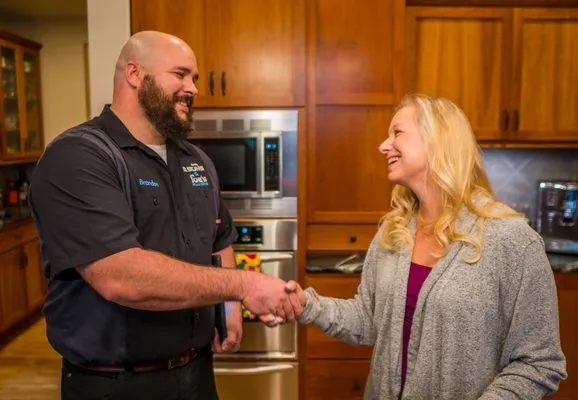
2 Sons Plumbing, Sewer, Electric, Heating & Air
My name is Tyler, and I'm one of the owners of 2 Sons Plumbing, Sewer, Electric, Heating & Air. I've been working in the Seattle plumbing industry for 28 years, learning everything from basic repairs ...

Bee's Plumbing And Heating
Bee's Plumbing and Heating is a locally-owned Seattle plumbing service founded by Ben and Melissa, a husband-and-wife team with deep roots in both the community and the trade. Ben, a former UW athlete...
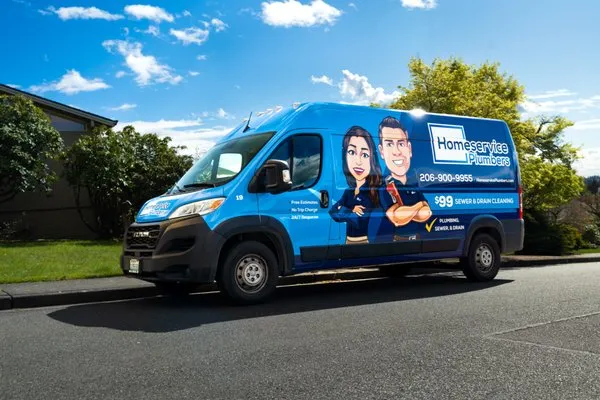
Homeservice Plumbers
Homeservice Plumbers is a licensed and bonded plumbing company serving Bellevue, WA, and surrounding areas. We provide comprehensive residential and commercial plumbing solutions, including emergency ...
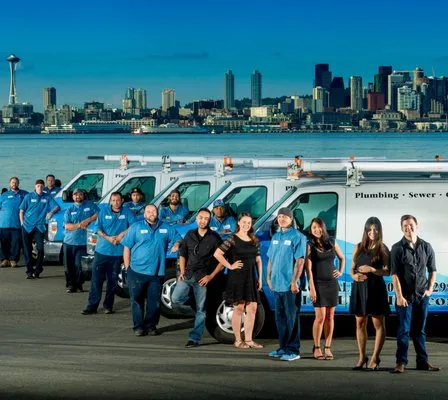
Ally Plumbing & Restoration
Ally Plumbing & Restoration is a family-owned plumbing and restoration company serving the Seattle Metropolitan area. Founded by a plumber who began his career in Hawaii, the business grew from a pass...
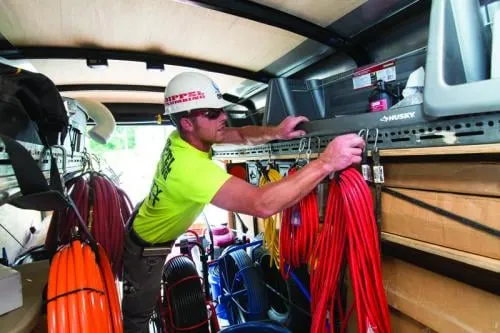
Einstein Plumbing is a trusted Seattle plumbing company serving homeowners and businesses throughout the greater Seattle area. We specialize in comprehensive plumbing solutions, from hot water recircu...

Two Brothers Water Heater Repair
Two Brothers Water Heater Repair is a family-operated plumbing service in Seattle, WA, founded by brothers who learned the trade from their father and gained experience working for various plumbing co...

Salish Plumbing Co. is a veteran, Native-owned plumbing company serving Shoreline, WA, and the surrounding communities. We provide a comprehensive range of services for both homes and businesses, from...
Seatown Electric Plumbing Heating and Air
Seatown Electric Plumbing Heating and Air is a Mukilteo-based, locally owned and operated home services provider founded by Brandon, who has over 15 years of industry experience. The company is built ...
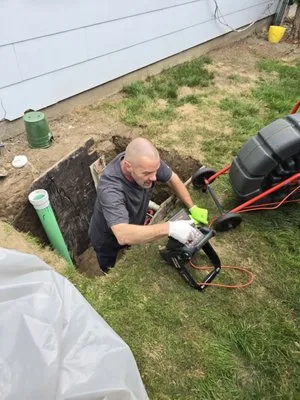
Green Lake Sewer & Drain is a Seattle-based, family-owned plumbing service with deep roots in the community. Founded by a second-generation drain cleaning professional who moved to Seattle in 1991, th...
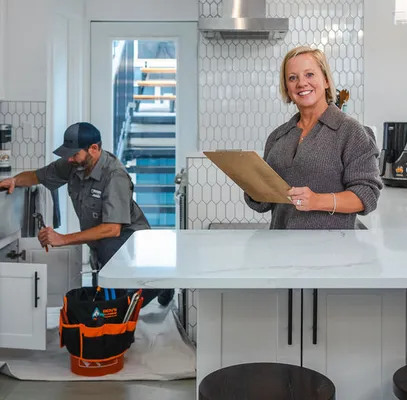
Ben's Plumbing Heating & Air
Ben's Plumbing Heating & Air is a trusted Seattle plumbing and HVAC service provider with over 28 years of experience serving both residential and commercial clients. Founded by Ben Foster, a licensed...
Estimated Plumbing Costs in Picnic Point, WA
Common Questions
What's the best way to protect pipes from freezing in Picnic Point's winter climate?
With winter lows around 36°F, freezing risks are moderate but real during cold snaps. A pro-tip is to insulate pipes in unheated areas like crawlspaces and garages, and let faucets drip slightly on the coldest nights to maintain water movement. This temperate climate doesn't require extreme measures, but these simple steps can prevent emergencies without overcomplicating your routine.
How does Spada Lake's soft water affect my plumbing fixtures and water heater?
Spada Lake provides soft water with low mineral content, which reduces scale buildup but increases corrosivity over time. This can accelerate wear on water heater anode rods, causing them to degrade faster and potentially leading to tank corrosion. Fixtures like faucets and valves may also experience more rapid internal erosion, so inspecting and replacing anode rods every 3-5 years is advisable to extend appliance life.
How quickly can a plumber reach my home in Picnic Point during an emergency?
Heading past Picnic Point Park on I-5, a typical dispatch route takes 30-45 minutes from most local shops. Traffic on I-5 can add variability, but this route provides direct access to the Picnic Point-North Lynnwood area. We factor in these transit times when scheduling, aiming to arrive within that window for urgent calls like burst pipes or major leaks.
How old are the pipes in Picnic Point homes, and what should I expect at this age?
Copper plumbing in Picnic Point was installed around 1979, making it 47 years old in 2026. At this stage, homeowners in Picnic Point-North Lynnwood often notice pinhole leaks developing in supply lines, especially near joints where corrosion has progressed. You might see small water stains on walls or ceilings, or hear dripping sounds behind drywall. This is a predictable phase for copper systems of this vintage, and proactive inspection can catch issues before they escalate.
As a suburban homeowner in Picnic Point, what plumbing issues are unique to my area?
Suburban settings here involve municipal water pressure that can fluctuate, sometimes stressing older copper pipes and joints. Tree roots from landscaping near Picnic Point Park can also invade lateral sewer lines, causing blockages. Monitoring water pressure with a gauge and having sewer lines scoped periodically helps address these common suburban concerns before they become major problems.
Who handles permits and regulations for plumbing work in Snohomish County?
Snohomish County Planning and Development Services oversees permits, while the Washington State Department of Labor and Industries licenses plumbers. I manage all required paperwork and inspections for projects, ensuring compliance with local codes. This means you don't need to navigate the red tape yourself—just focus on the results, and I'll handle the regulatory details from start to finish.
Why do older copper pipes in Picnic Point fail, and what's the most common issue?
Copper pipes from 1979 often develop pinhole leaks due to decades of internal corrosion and wear. Joint calcification is another frequent problem, where mineral deposits build up at connections, restricting water flow and weakening seals. These failures typically start in hidden areas like crawlspaces or behind walls, so regular checks of exposed plumbing can help spot early signs like discoloration or moisture.
Does the coastal terrain around Picnic Point Park impact my home's drainage or main line?
The coastal slopes and soil composition here can stress main water lines through gradual shifting or settling over time. Drainage systems may also face challenges with runoff during heavy rains, potentially affecting lateral lines. Ensuring proper grading around your foundation and scheduling occasional camera inspections of the main line can mitigate issues related to this terrain.
