Top Emergency Plumbers in Parkwood, WA, 98366 | Compare & Call

There are 234 plumbing companies server in Parkwood WA
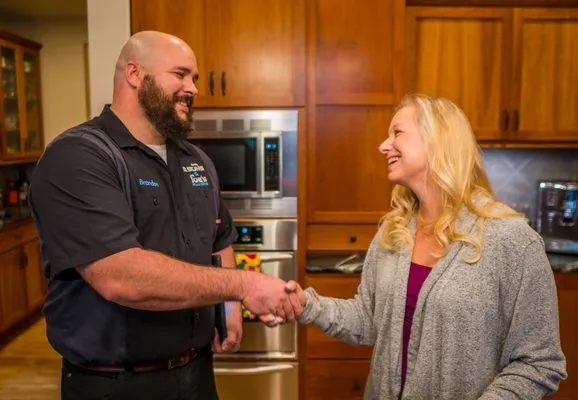
2 Sons Plumbing, Sewer, Electric, Heating & Air
My name is Tyler, and I'm one of the owners of 2 Sons Plumbing, Sewer, Electric, Heating & Air. I've been working in the Seattle plumbing industry for 28 years, learning everything from basic repairs ...
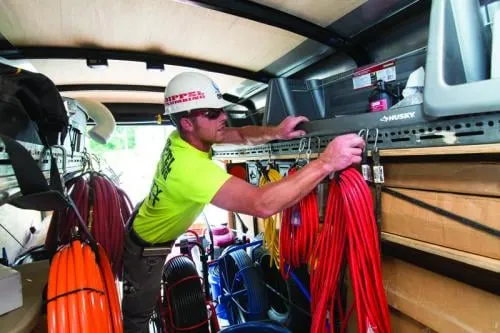
Einstein Plumbing is a trusted Seattle plumbing company serving homeowners and businesses throughout the greater Seattle area. We specialize in comprehensive plumbing solutions, from hot water recircu...

Two Brothers Water Heater Repair
Two Brothers Water Heater Repair is a family-operated plumbing service in Seattle, WA, founded by brothers who learned the trade from their father and gained experience working for various plumbing co...
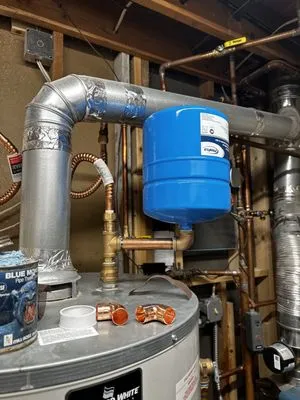
Green City Plumbing & Sewer LLC has been a trusted fixture in the Seattle community for over 15 years. We provide comprehensive plumbing and sewer services for both homes and businesses, focusing on r...
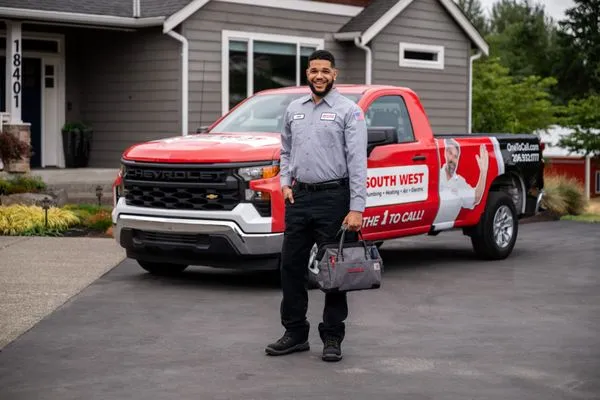
South West Plumbing, Heating, Air, & Electric
South West Plumbing, Heating, Air, & Electric is a family-founded, locally-owned company that has been serving Renton and the Greater Puget Sound area for over four decades. Starting from a single tru...

Action Jackson Drain Cleaning & Plumbing is a family-owned and operated plumbing company serving Edmonds and the greater Seattle area. Founded by siblings Issac and Samone Jackson, who were born and r...
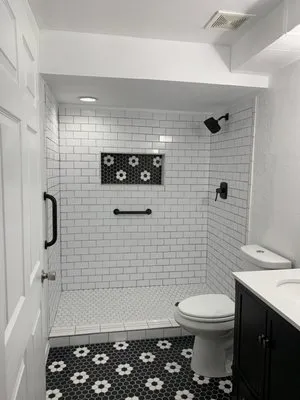
With over 35 years of experience in the Bremerton and Kitsap County area, Ace Works brings a wealth of local knowledge to every plumbing and remodeling project. Our team has excellent troubleshooting ...
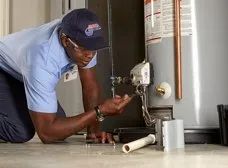
Roto-Rooter Plumbing & Water Cleanup
Roto-Rooter Plumbing & Water Cleanup provides trusted plumbing and restoration services for Seattle residents and businesses. We are open, fully staffed, and ready to help 24 hours a day, 7 days a wee...
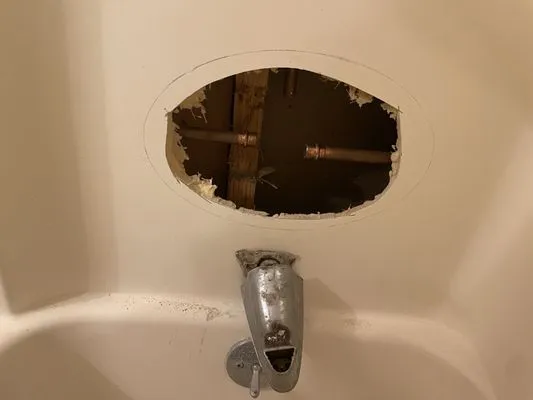
West Sound Plumbing Service
West Sound Plumbing Service is a locally owned and operated, full-service plumbing company dedicated to providing Poulsbo and Kitsap Peninsula residents with fast, on-time, and reliable service. We ha...
Allied Waterproofing & Drainage has been a trusted Seattle-area contractor since 1990, specializing in protecting homes and businesses from the Pacific Northwest's damp climate. We provide comprehensi...
Estimated Plumbing Costs in Parkwood, WA
Question Answers
Do I need a permit to replace my water heater or repipe my house?
Most major plumbing work in Shoreline requires a permit from the city’s Planning and Community Development department. As a Master Plumber licensed by the Washington State Department of Labor & Industries, I handle pulling those permits, scheduling inspections, and ensuring all work meets code. My credential means the red tape and compliance details are managed for you, from start to final sign-off.
As a suburban homeowner, what should I know about my sewer line?
In a suburban setting like ours, the main concern for your lateral sewer line is tree root intrusion. Roots seek moisture and can infiltrate pipe joints, causing blockages or breaks. Municipal water pressure is generally consistent, but it’s wise to know where your main shut-off valve is located in case you need to isolate your home’s system quickly.
Could the hilly landscape near Richmond Beach cause plumbing problems?
Yes, the slope of our terrain directly stresses the main sewer line running from your house to the municipal connection. Over decades, soil can shift or settle, putting strain on pipes and potentially causing bellies or misaligned joints that lead to chronic drainage issues. Homes at the bottom of a hill may also see increased hydrostatic pressure on their foundation drains during heavy rain.
Should I be worried about my plumbing system in Parkwood if my house was built in the late 1970s?
Copper piping installed around 1978 is now 48 years old. At this stage, homeowners in Parkwood Heights often find pinhole leaks appearing in walls or ceilings, or a noticeable drop in water pressure. The pipe walls have thinned from decades of water flow, making them more susceptible to failure. Proactive inspection of your main shut-off and supply lines can identify weak points before a major leak occurs.
What’s the most important thing I should do to my pipes before winter here?
While our temperate climate has mild winters, overnight lows can still hit 36°F or below, risking a freeze. The critical pro-tip is to disconnect, drain, and store garden hoses every fall. A forgotten hose bib left connected can allow ice to back up into the interior pipe wall, causing a split that only reveals itself when you use it again in spring.
How quickly can a plumber get to my home in Parkwood for an emergency?
A typical dispatch route from our shop heads past Richmond Beach Saltwater Park to catch I-5, providing a direct path into the neighborhood. Barring heavy traffic, that’s a reliable 30 to 45 minute response window for urgent calls. We prioritize clear communication on ETA so you know exactly when to expect us.
What is the most common plumbing issue in older Parkwood homes?
The primary failure point for 48-year-old copper is pinhole leaks caused by internal corrosion and erosion. You might also find soldered joints that have become brittle or calcified, leading to drips at fittings. These leaks often start small behind walls, so a sudden water stain or a faint musty smell can be the first sign of a problem needing immediate attention.
Does our soft water from Lake Washington damage my water heater or fixtures?
Soft, low-mineral water is gentle on skin but aggressive toward metal. It accelerates corrosion inside water heaters and can cause anode rods to deplete rapidly, sometimes in under three years. Without that protective rod, the tank’s steel lining rusts. We recommend checking and replacing the anode rod more frequently than the manual suggests to extend your heater’s life.
