Top Emergency Plumbers in Mount Vista, WA, 98642 | Compare & Call

There are 220 plumbing companies server in Mount Vista WA
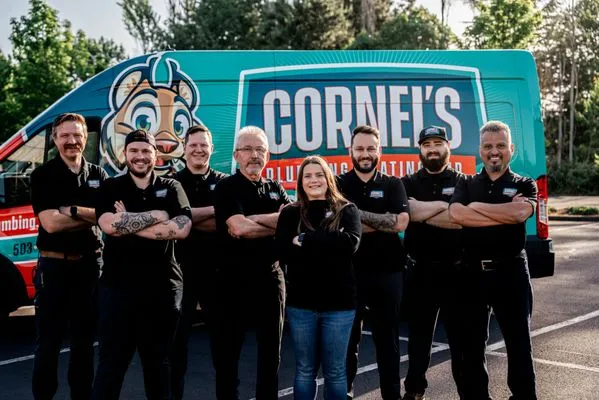
Cornel's Plumbing, Heating & Air Conditioning
Cornel's Plumbing, Heating & Air Conditioning is a family-run business serving Beaverton for over 30 years. Our journey began in Romania, where Cornel himself started out with just a bicycle to carry ...

Advanced Plumbing has been serving the Portland community since 1971, founded by the McAllister family. Still family-owned and operated today, we believe in treating our team like extended family and ...
5 Daughters Plumbing is a veteran-owned, licensed plumbing service serving Troutdale, OR and the Greater Portland area. We provide comprehensive plumbing solutions for both residential and commercial ...
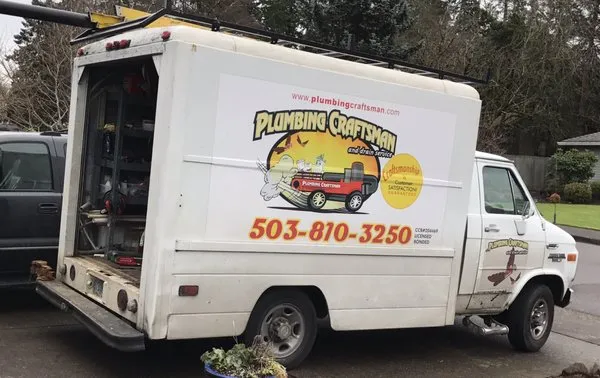
Plumbing Craftsman and Drain Service
Plumbing Craftsman and Drain Service, led by licensed master plumber Jorge Lopez, provides reliable plumbing solutions for Beaverton homes and businesses. With over 18 years of dedicated experience, J...
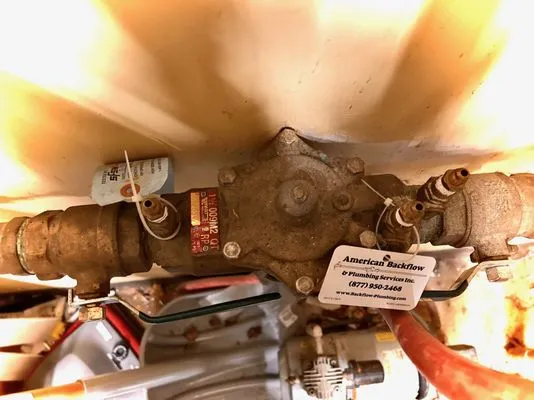
Founded in 1995 by brothers Tony and Brian Johnston, American Backflow and Plumbing Services began as a two-man operation working out of a Portland garage. Driven by a commitment to the 'golden rule'—...

D&F Plumbing, Heating and Cooling
For nearly a century, D&F Plumbing, Heating and Cooling has been the trusted name for Portland homes and businesses. Since 1927, we've built our expertise on the unique challenges of the Pacific North...
Always Affordable Plumbing is a trusted local plumbing company serving Portland, OR, dedicated to providing reliable and cost-effective solutions for homeowners. We specialize in addressing the unique...
Burfitt Plumbing has been the trusted local plumbing service for Portland and Vancouver homes and businesses since 1903. This long history provides a deep, practical understanding of both historic and...
Stan The Hot Water Man
For over four decades, Stan the Hot Water Man has been the trusted name for water heater service in the Portland and Vancouver region. Now led by Michael Spicer and his sons, this family-operated plum...

Pilot Plumbing & Drain
Pilot Plumbing & Drain is a family-owned and operated business serving Portland, Vancouver, and surrounding communities since 2015. Founded by Andy Davis, the company was built on a foundation of hand...
Estimated Plumbing Costs in Mount Vista, WA
FAQs
What permits do I need for a bathroom remodel in Clark County?
Clark County Community Development requires permits for any plumbing work that alters supply lines, drainage, or fixture locations. As a Washington State Department of Labor & Industries licensed master plumber, I handle all permit applications, inspections, and code compliance documentation. Recent code updates address water conservation requirements for new fixtures and earthquake straps for water heaters. Having proper permits ensures your project meets current standards and protects your home's value during future sales.
Does Columbia River water affect my plumbing fixtures?
Columbia River provides soft water with low mineral content, which means less scale buildup in pipes but increased corrosion potential. Water heaters experience accelerated anode rod depletion, requiring replacement every 3-4 years instead of the typical 5-6. Fixtures with rubber washers and seals deteriorate faster in soft water, leading to drips around faucet handles and shower valves. Installing a whole-house water conditioner can balance the corrosiveness while maintaining the soft water benefits.
As a suburban homeowner, what plumbing issues should I watch for?
Suburban municipal systems in Mount Vista maintain consistent water pressure, which benefits daily use but stresses aging plumbing. Tree roots seek moisture in sewer laterals, causing blockages that require professional clearing. Pressure regulator valves installed during the 1997 construction era now need replacement to prevent pressure spikes that damage appliances. Unlike rural properties with wells and septic systems, you'll deal with Clark County Public Works for street-side main issues but remain responsible for everything from the curb to your home.
My Mount Vista Estates home was built around 1997 - should I be worried about my plumbing?
Copper pipes installed in 1997 are now 29 years old. At this age, homeowners in Mount Vista Estates often notice pinhole leaks developing in hot water lines first, especially near joints where solder has degraded. The original water heaters from that era are also reaching end-of-life, with sediment buildup reducing efficiency. Regular inspections of exposed pipes in basements and crawlspaces can catch minor issues before they become major water damage problems.
Why do my copper pipes keep developing small leaks?
Copper pipes from 1997-era construction often experience pinhole leaks due to a combination of factors. The original solder joints contain lead-free alloys that can degrade over three decades, especially in hot water lines. Electrolytic corrosion occurs where dissimilar metals meet without proper dielectric unions. Scale buildup from our soft water accelerates this process, creating weak spots that eventually perforate.
What's the most important winter plumbing maintenance for Mount Vista's climate?
Our temperate climate with winter lows around 35°F creates a specific risk: pipes in unheated crawlspaces and exterior walls freeze during cold snaps, then thaw and leak. Insulate all pipes in these vulnerable areas with foam sleeves before November. Keep cabinet doors under sinks open during freezing nights to allow warm air circulation. Know where your main water shutoff valve is located and test it annually - a burst pipe requires immediate response to minimize damage.
How quickly can a plumber get to my house in Mount Vista during an emergency?
Heading past Washington State University Vancouver on I-5, most Mount Vista addresses are 20-30 minutes from dispatch. Traffic patterns on I-5 northbound during morning commutes or southbound in late afternoons can add 10-15 minutes. We maintain multiple service vehicles positioned to access different parts of the community, with the Mount Vista Estates area typically reached via the 179th Street exit.
Could my home's hillside location cause plumbing problems?
Hilly terrain around Washington State University Vancouver and throughout Mount Vista creates drainage challenges. Downward slope puts constant stress on main sewer lines, leading to joint separation over time. During heavy rains, surface water can infiltrate older sewer systems through cleanout caps. Soil movement on slopes may cause underground water lines to shift, creating stress fractures. Proper grading away from foundation walls and regular sewer line inspections prevent most terrain-related issues.
