Top Emergency Plumbers in Moses Lake North, WA, 98837 | Compare & Call

There are 16 plumbing companies server in Moses Lake North WA
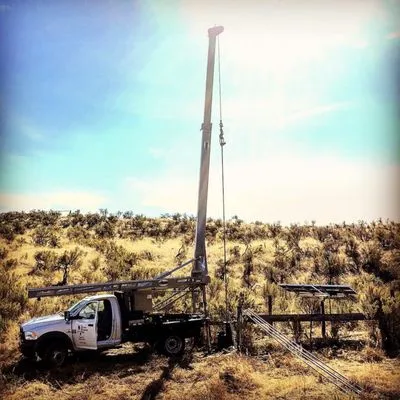
LEMCO Drilling Inc is a family-owned water well drilling and service company based in Lind, WA, serving the dryland wheat farming region of Eastern Washington since 1989. Founded by Leonard Martel and...
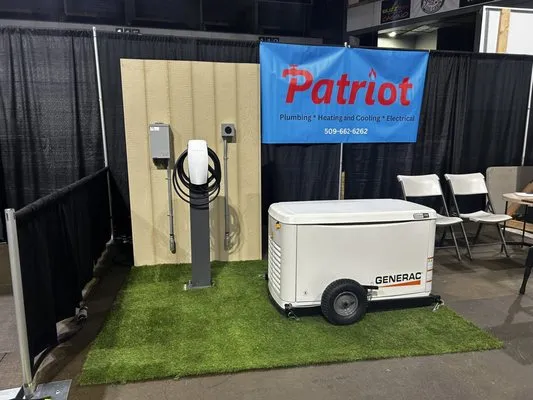
Patriot Plumbing, Heating & Cooling
Founded in 2006 by Master Plumber Matt LaVergne, Patriot Plumbing, Heating & Cooling began as a plumbing and well pump service dedicated to the Wenatchee Valley. After five years of growth and respond...
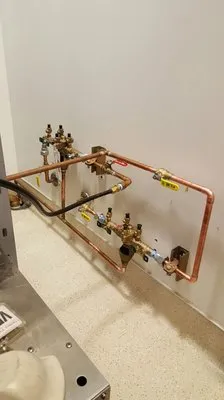
Eastern Washington Plumbing is your trusted, local plumbing expert serving homeowners in Quincy, WA, and the surrounding area. We understand the common frustrations Quincy residents face, like stubbor...
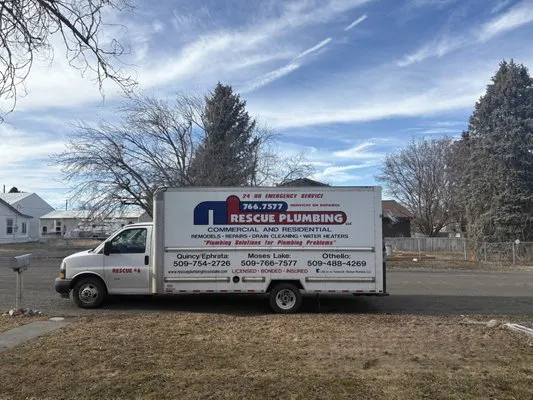
Rescue Plumbing LLC has been a trusted, locally owned plumbing service in Moses Lake, WA, since 2003. With nearly three decades of combined experience, our team of licensed journeyman plumbers provide...
Comfort Experts Plumbing
Comfort Experts Plumbing has been a trusted name in Moses Lake, Washington since 1998, providing reliable plumbing services around the clock. We understand the local needs, from common dishwasher leak...
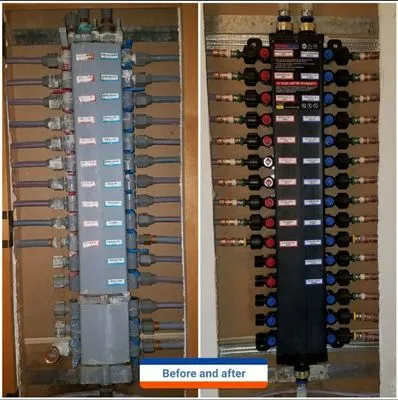
All American Plumbing Services
Serving Moses Lake and the surrounding area, All American Plumbing Services is a trusted local provider with over a decade of hands-on experience. We are available for service calls, offering reliable...

PreVision Plumbing is a licensed and insured plumbing company serving Moses Lake, WA, and Eastern Washington. With over 50 years of combined experience, our team specializes in residential and commerc...

Pope's Plumbing is a trusted, locally-owned plumbing service proudly serving Moses Lake, WA, and the surrounding area. We specialize in addressing the common local plumbing challenges homeowners face,...
Mike's Plumbing has been the trusted local plumbing service for Moses Lake, WA, and the surrounding areas for over 40 years. Founded on a commitment to quality work and affordability, we handle everyt...

Basin Refrigeration
Basin Refrigeration has been a trusted provider of plumbing, HVAC, and electrical services for Moses Lake and the surrounding communities since 1977. As a local, family-operated business, we understan...
Estimated Plumbing Costs in Moses Lake North, WA
Frequently Asked Questions
What's causing these pinhole leaks in my galvanized pipes?
Galvanized steel from 1959 has a protective zinc coating that wears away over decades. Once gone, the raw steel underneath rusts, thinning the pipe walls. This leads to pinhole leaks, usually at threaded joints or where fittings cause turbulence. The calcification inside these old pipes also restricts flow, which increases pressure on the weakened walls and accelerates failures.
Does Moses Lake's hard water damage my plumbing fixtures?
The mineral content from the lake leads to significant scale buildup inside your pipes and appliances. Water heaters are hit hardest, as scale insulates the heating elements, forcing them to work longer and fail sooner. You'll also notice reduced flow at faucet aerators and showerheads, which need regular cleaning or replacement to maintain pressure.
How quickly can a plumber get to my house in Moses Lake North?
Heading past Moses Lake on I-90, your home is a 20-30 minute drive from my service area. That route is my daily dispatch path for calls in the Cascade Valley. I keep common parts for homes of this era on the truck, which often means I can diagnose and begin repairs in a single visit without a return trip for materials.
Could the flat land around here cause drainage problems?
The plain terrain around Moses Lake means water has little natural slope to run off. This can lead to pooling near your foundation during heavy rain or irrigation. Over time, that saturated soil puts constant hydrostatic pressure on your home's underground main sewer line, which can stress joints and lead to root intrusion or line failure.
What permits are needed for a repipe in Grant County?
A full repipe requires a permit from the Grant County Building Department. As a master plumber licensed by Washington State Department of Labor & Industries, I pull those permits, schedule the required inspections, and ensure the work meets all current code. My job is to handle that red tape so you don't have to navigate the paperwork and regulations yourself.
Should I worry about my pipes freezing here?
While our lows can hit 24°F, the arid climate and generally mild winters mean freeze-ups are less common than in wetter regions. The real seasonal risk is the spring thaw. A pro-tip is to check your main water line where it enters the home and any exposed pipes in crawlspaces each fall, as a single cold snap can find that one uninsulated spot.
Why are my pipes failing so often lately?
Your home's original galvanized steel plumbing is now 67 years old. In the Cascade Valley area, pipes installed around 1959 are at the end of their functional lifespan. Homeowners are seeing chronic low water pressure, frequent leaks behind walls, and rust-colored water as the steel corrodes from the inside out. This isn't a fluke; it's the predictable failure point for this generation of infrastructure.
As a suburban homeowner, what's my biggest plumbing risk?
In this setting, the lateral line connecting your home to the municipal sewer is a primary concern. While you're on city water and sewer, that lateral is your responsibility up to the main. Tree roots seeking moisture in our arid climate are a constant threat to these lines, and older materials like clay or Orangeburg pipe are especially vulnerable to infiltration and collapse.
