Top Emergency Plumbers in Mill Creek East, WA, 98012 | Compare & Call

There are 239 plumbing companies server in Mill Creek East WA
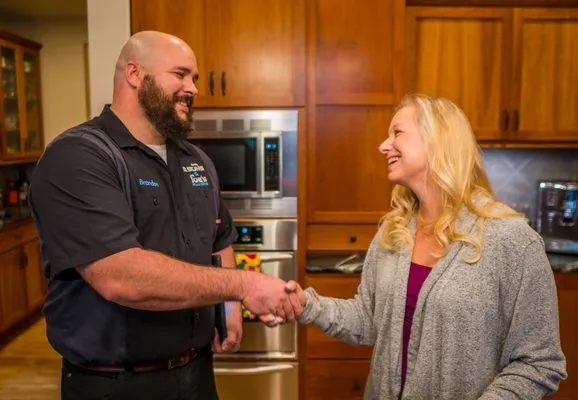
2 Sons Plumbing, Sewer, Electric, Heating & Air
My name is Tyler, and I'm one of the owners of 2 Sons Plumbing, Sewer, Electric, Heating & Air. I've been working in the Seattle plumbing industry for 28 years, learning everything from basic repairs ...

Bee's Plumbing And Heating
Bee's Plumbing and Heating is a locally-owned Seattle plumbing service founded by Ben and Melissa, a husband-and-wife team with deep roots in both the community and the trade. Ben, a former UW athlete...
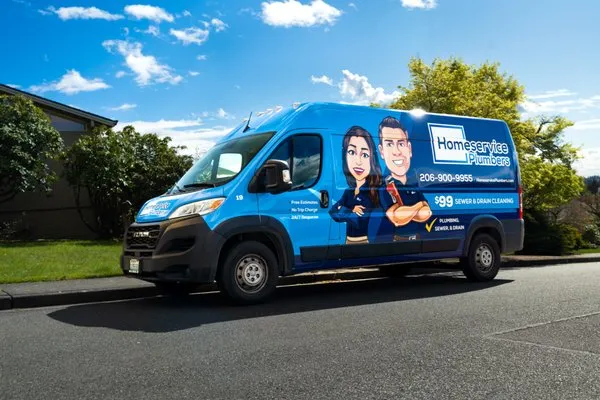
Homeservice Plumbers
Homeservice Plumbers is a licensed and bonded plumbing company serving Bellevue, WA, and surrounding areas. We provide comprehensive residential and commercial plumbing solutions, including emergency ...
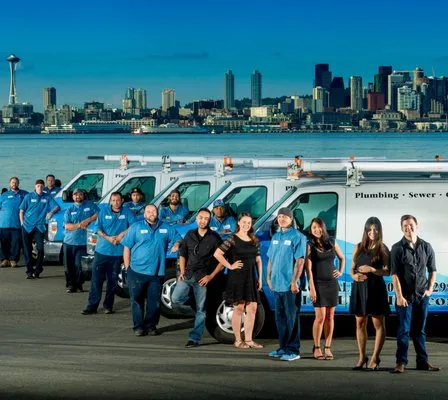
Ally Plumbing & Restoration
Ally Plumbing & Restoration is a family-owned plumbing and restoration company serving the Seattle Metropolitan area. Founded by a plumber who began his career in Hawaii, the business grew from a pass...
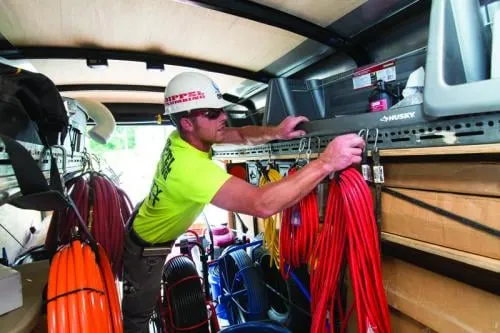
Einstein Plumbing is a trusted Seattle plumbing company serving homeowners and businesses throughout the greater Seattle area. We specialize in comprehensive plumbing solutions, from hot water recircu...

Two Brothers Water Heater Repair
Two Brothers Water Heater Repair is a family-operated plumbing service in Seattle, WA, founded by brothers who learned the trade from their father and gained experience working for various plumbing co...
Salish Plumbing Co. is a veteran, Native-owned plumbing company serving Shoreline, WA, and the surrounding communities. We provide a comprehensive range of services for both homes and businesses, from...
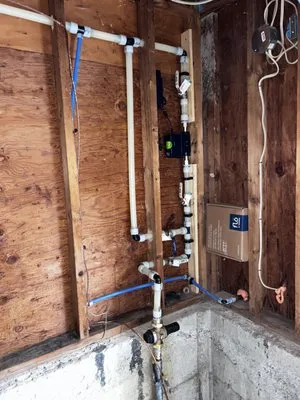
Ridgid Plumbing and Drain Services is owned and operated by Arash M., a licensed plumber with over 20 years of experience serving the Bellevue area. After spending 15 years with a major national plumb...
Seatown Electric Plumbing Heating and Air
Seatown Electric Plumbing Heating and Air is a Mukilteo-based, locally owned and operated home services provider founded by Brandon, who has over 15 years of industry experience. The company is built ...
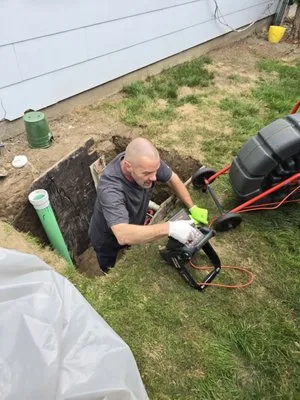
Green Lake Sewer & Drain is a Seattle-based, family-owned plumbing service with deep roots in the community. Founded by a second-generation drain cleaning professional who moved to Seattle in 1991, th...
Estimated Plumbing Costs in Mill Creek East, WA
Q&A
What permits are needed for a water heater replacement in Mill Creek, and who handles that?
The City of Mill Creek Building Department requires a permit for any water heater replacement. As a contractor licensed by the Washington State Department of Labor & Industries, we pull the permit, schedule the inspection, and ensure the installation meets all current code requirements for seismic strapping and pan drainage. We handle that red tape so you don't have to.
We're on city water and sewer in a suburban area. What are common plumbing concerns here?
Municipal water pressure in Mill Creek East is generally good, but pressure regulators can fail after 20 years, risking damage to appliances. For sewer lines, the primary concern is tree root intrusion at the lateral connection to the main city line, especially from mature landscaping. Roots seek out the moisture at pipe joints.
Could the hilly landscape around Mill Creek Nature Preserve be causing my drainage problems?
Absolutely. The sloping terrain common here puts constant, uneven stress on your main sewer lateral. Over time, this can cause the pipe to sag or develop bellies where waste collects, leading to recurring clogs. Soil movement on hills can also put pressure on underground water service lines, potentially causing leaks at connections.
How quickly can a plumber get to my house in Mill Creek East during an emergency?
From our base, the dispatch route typically heads past the Mill Creek Nature Preserve to access I-5, which provides the fastest corridor into your neighborhood. Barring major traffic, we aim for a 30-45 minute response window. We factor in local school zones and the layout of Mill Creek East subdivisions to find the most efficient entry point to your street.
What's the most important thing to do to prevent frozen pipes in Mill Creek's winter?
Our temperate climate with lows around 35°F creates a freeze-thaw cycle that targets vulnerable spots. The pro-tip is to disconnect and drain outdoor hoses before the first frost, and insulate the pipe bibs. Inside, keep cabinet doors under sinks open on very cold nights to allow warm air to circulate around pipes in exterior walls.
Does Spada Lake water affect my home's plumbing fixtures and water heater?
Yes, Spada Lake provides soft, acidic water which is corrosive to metal plumbing components. This low pH water accelerates the deterioration of anode rods in water heaters, leaving the tank vulnerable to rust. It also causes blue-green staining on fixtures and can erode brass valve seats inside faucets over time, leading to drips.
Why are we getting so many pinhole leaks in our copper pipes all of a sudden?
Copper pipe installed around 2003 is reaching a critical age where manufacturing variances and local water conditions converge. Type M copper has a thinner wall than Type L, making it more susceptible to corrosion over 20+ years. The result is often pinhole leaks caused by localized corrosion, frequently at soldered joints where dissimilar metals or flux residues accelerated wear.
Our Mill Creek East home was built around 2003. What plumbing issues should we expect now?
Your copper plumbing is now about 23 years old. In this area, we commonly see pinhole leaks developing at elbows and tees, especially in hot water lines. The thin walls of Type M copper used in many homes from that era begin to show wear from decades of water flow and our local water chemistry. Homeowners near Mill Creek Town Center are starting to report small, persistent leaks behind walls or under sinks that were not present a few years ago.
