Top Emergency Plumbers in Manchester, WA, 98353 | Compare & Call

There are 235 plumbing companies server in Manchester WA
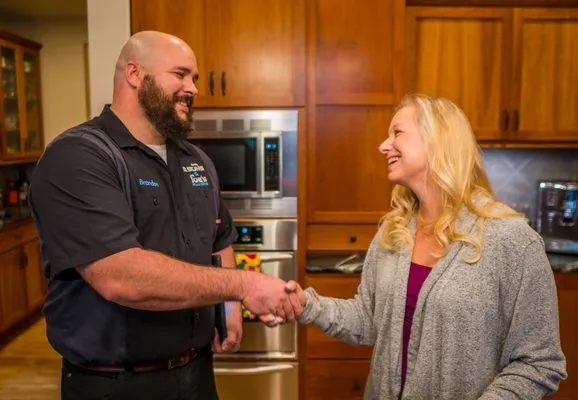
2 Sons Plumbing, Sewer, Electric, Heating & Air
My name is Tyler, and I'm one of the owners of 2 Sons Plumbing, Sewer, Electric, Heating & Air. I've been working in the Seattle plumbing industry for 28 years, learning everything from basic repairs ...
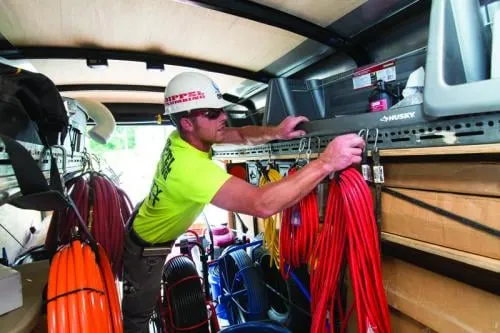
Einstein Plumbing is a trusted Seattle plumbing company serving homeowners and businesses throughout the greater Seattle area. We specialize in comprehensive plumbing solutions, from hot water recircu...

Two Brothers Water Heater Repair
Two Brothers Water Heater Repair is a family-operated plumbing service in Seattle, WA, founded by brothers who learned the trade from their father and gained experience working for various plumbing co...
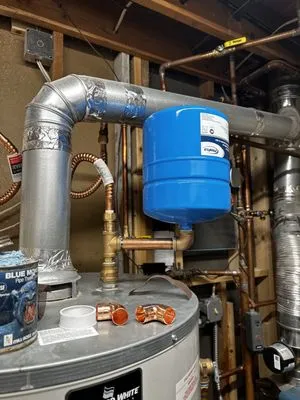
Green City Plumbing & Sewer LLC has been a trusted fixture in the Seattle community for over 15 years. We provide comprehensive plumbing and sewer services for both homes and businesses, focusing on r...
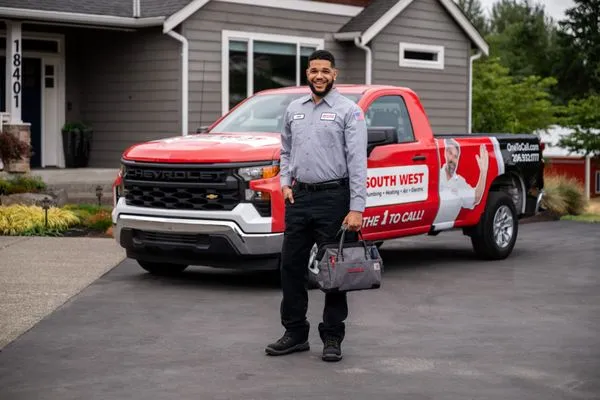
South West Plumbing, Heating, Air, & Electric
South West Plumbing, Heating, Air, & Electric is a family-founded, locally-owned company that has been serving Renton and the Greater Puget Sound area for over four decades. Starting from a single tru...

Action Jackson Drain Cleaning & Plumbing is a family-owned and operated plumbing company serving Edmonds and the greater Seattle area. Founded by siblings Issac and Samone Jackson, who were born and r...
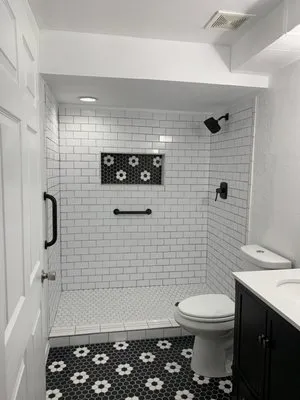
With over 35 years of experience in the Bremerton and Kitsap County area, Ace Works brings a wealth of local knowledge to every plumbing and remodeling project. Our team has excellent troubleshooting ...
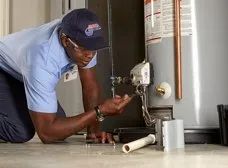
Roto-Rooter Plumbing & Water Cleanup
Roto-Rooter Plumbing & Water Cleanup provides trusted plumbing and restoration services for Seattle residents and businesses. We are open, fully staffed, and ready to help 24 hours a day, 7 days a wee...
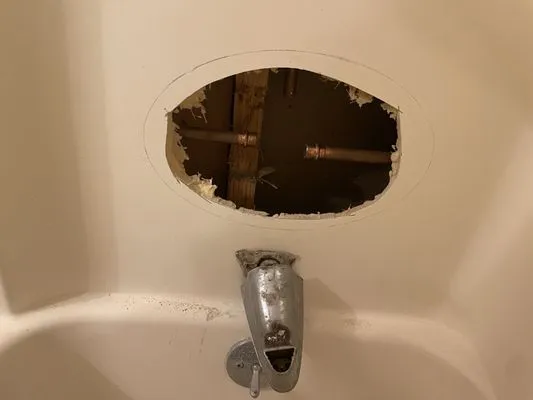
West Sound Plumbing Service
West Sound Plumbing Service is a locally owned and operated, full-service plumbing company dedicated to providing Poulsbo and Kitsap Peninsula residents with fast, on-time, and reliable service. We ha...
Allied Waterproofing & Drainage has been a trusted Seattle-area contractor since 1990, specializing in protecting homes and businesses from the Pacific Northwest's damp climate. We provide comprehensi...
Estimated Plumbing Costs in Manchester, WA
Frequently Asked Questions
Does our soft Puget Sound water damage plumbing fixtures?
Soft aquifer water is gentle on pipes but aggressive toward water heaters and fixtures. The low mineral content means no scale buildup, but it allows the water to leach metals from brass fittings and water heater anodes more quickly. Your water heater's sacrificial anode rod will corrode faster, requiring replacement every 3-5 years instead of the typical 5-7. Fixtures with internal brass components may develop blue-green staining at connections over time.
What permits and regulations should I know about for plumbing work in Manchester?
Kitsap County Department of Community Development requires permits for most plumbing alterations, including water heater replacements and re-piping projects. As a Washington State Department of Labor & Industries licensed master plumber, I handle the permit applications, inspections, and code compliance paperwork. This ensures your project meets current UPC standards and protects your home's value. You shouldn't need to navigate county bureaucracy—that's my responsibility as your contractor.
What's the most important winter plumbing tip for Manchester's mild climate?
Insulate exposed pipes in unheated crawl spaces and garages, even though our winter lows rarely drop below 35°F. Manchester's temperate climate creates a false sense of security—those occasional freeze events catch homeowners off guard because pipes aren't accustomed to sustained cold. Drip faucets during hard freezes, and know where your main shutoff is. The biggest risk isn't the average winter day, but that one unexpected cold snap when you're away.
As a suburban Manchester homeowner, what plumbing issues are unique to my area?
Municipal water pressure here runs higher than many expect, typically 70-80 PSI, which accelerates wear on older fixtures and supply lines. Tree roots from our mature landscaping frequently infiltrate sewer laterals, especially the clay sections still found in some 1980s installations. Unlike rural areas with wells and septic, you're dealing with shared infrastructure—a neighbor's root intrusion or main line issue can sometimes affect multiple homes on the same branch line.
My Manchester Village home was built around 1986 - should I be worried about my plumbing?
Your copper pipes are now 40 years old, which is the typical lifespan for residential copper in our area. Manchester Village homeowners are seeing increased frequency of pinhole leaks and joint failures as the pipes reach this age. The copper has endured decades of water flow and minor corrosion, and the original solder joints are weakening. It's not an emergency yet, but you should budget for selective replacements over the next 5-10 years.
What's causing these small leaks in my 1980s copper pipes?
Pinhole leaks are common in 40-year-old copper systems due to a combination of factors. The copper walls thin from decades of water flow, and microscopic corrosion points develop where the pipe contacts dissimilar metals or aggressive water. In Manchester homes built around 1986, we often find these leaks first at elbows and joints where water turbulence accelerates wear. Early detection with a pressure test can map vulnerable sections before they fail completely.
Could my home's hillside location near Manchester State Park cause plumbing problems?
Coastal slopes put constant stress on main sewer lines and water service entries. The soil movement from seasonal wet-dry cycles can gradually misalign pipes, creating low spots where debris collects or high spots that trap air. Homes on steeper grades often experience main line backups during heavy rains when surface water infiltrates the system. Proper drainage away from the foundation is critical—I've seen many service lines fail at the property connection due to erosion on these slopes.
How quickly can a plumber reach my Manchester home in an emergency?
Heading past Manchester State Park on State Route 16, I can typically reach most Manchester addresses within 30-45 minutes during normal hours. The route follows SR-16 through the key access points to the peninsula. For after-hours emergencies, add about 15 minutes for mobilization. Knowing the back routes through the village helps shave time when traffic backs up near the ferry terminal.
