Top Emergency Plumbers in Long Beach, WA, 98631 | Compare & Call

There are 236 plumbing companies server in Long Beach WA
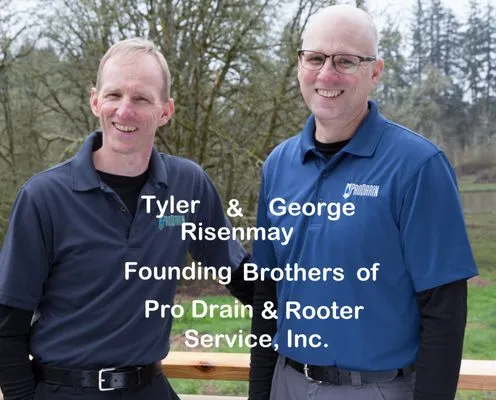
Pro Drain & Rooter Service is a trusted, family-owned plumbing company serving Beaverton and the greater Portland Metro area since 1995. What began with a single technician in a bright green van focus...

All Pro Plumbing Services
All Pro Plumbing Services is a family-owned plumbing contractor serving the Greater Portland Metro area, including Hillsboro, with over 20 years of experience. We provide comprehensive plumbing servic...
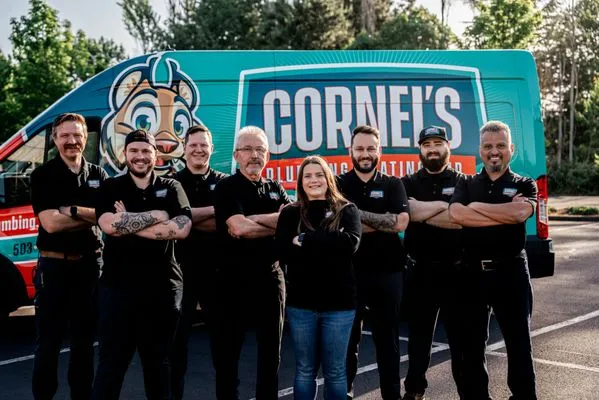
Cornel's Plumbing, Heating & Air Conditioning
Cornel's Plumbing, Heating & Air Conditioning is a family-run business serving Beaverton for over 30 years. Our journey began in Romania, where Cornel himself started out with just a bicycle to carry ...
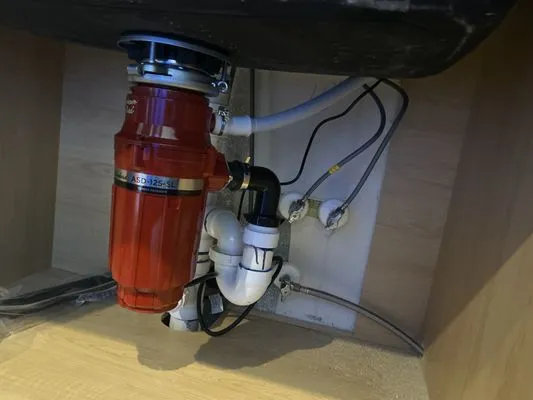
5 Daughters Plumbing is a veteran-owned, licensed plumbing service serving Troutdale, OR and the Greater Portland area. We provide comprehensive plumbing solutions for both residential and commercial ...
Plumbing Craftsman and Drain Service
Plumbing Craftsman and Drain Service, led by licensed master plumber Jorge Lopez, provides reliable plumbing solutions for Beaverton homes and businesses. With over 18 years of dedicated experience, J...
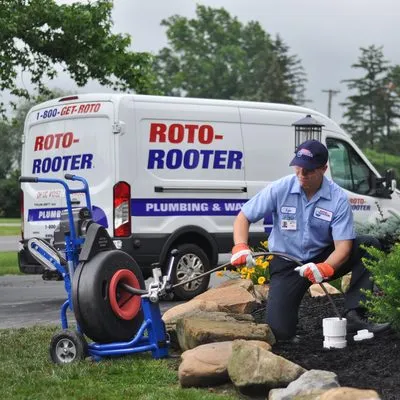
Roto-Rooter Plumbing & Water Cleanup
Roto-Rooter Plumbing & Water Cleanup is Portland's reliable, 24/7 plumbing and water damage partner. We're a locally operated, fully staffed team of licensed plumbers ready to help with everything fro...
Mr. Rooter Plumbing in Gladstone is your locally owned and operated plumbing resource, dedicated to providing reliable service for over 22 years. We focus on clear communication and honest solutions, ...

Timely Plumbing Solutions is a licensed residential plumbing service based in Cornelius, OR, established in 2024. With 7 years of experience gained from working with leading plumbing contractors in Po...
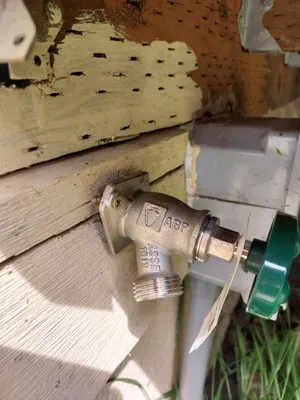
Always Affordable Plumbing is a trusted local plumbing company serving Portland, OR, dedicated to providing reliable and cost-effective solutions for homeowners. We specialize in addressing the unique...
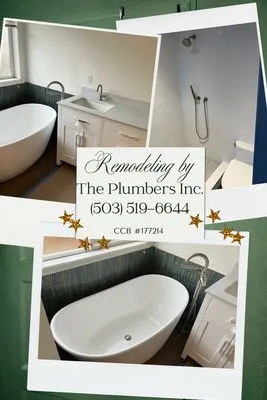
As an Oregon native raised in Portland, I completed my four-year plumbing apprenticeship at Clackamas Community College, earning my Journeyman Plumbing License. After gaining extensive experience work...
Estimated Plumbing Costs in Long Beach, WA
Question Answers
Could the sandy soil here cause drainage problems for my home's main sewer line?
The coastal terrain, with its sandy, shifting soils and gentle slopes, absolutely puts stress on underground main lines. Over decades, this movement can cause pipes to settle unevenly or develop bellys where waste collects, leading to chronic slow drains or blockages. For homes with a view near Cape Disappointment State Park, this ground movement is a primary factor in main line failure.
How quickly can a plumber get to my house in Long Beach if I have a leak?
Heading past Cape Disappointment State Park on US-101 is the main route into the peninsula. From there, navigating the local streets to reach a home in Downtown Long Beach typically adds to the trip. For a service call, you can expect a professional dispatch within a 45 to 60 minute window from the initial call, barring summer tourist traffic on a weekend.
What permits do I need for a water heater replacement in Long Beach, WA?
A standard replacement requires a plumbing permit from the Long Beach Building Department and, if electrical work is involved, an electrical permit. As a plumber licensed and bonded with the Washington State Department of Labor & Industries, I pull these permits, schedule the required inspections, and ensure the installation meets all current code. My job is to handle that red tape so you don't have to.
What's the most important plumbing maintenance for a Long Beach winter?
The pro-tip is to drain and shut off any exterior hose bibs before our first hard freeze, which can dip to 36°F. Our temperate climate means many homeowners forget this step, as deep freezes are rare. A burst exterior bib can flood a crawlspace or wall. Do this in late fall, well before the tourist season slowdown ends and the colder weather sets in.
My home in Long Beach was built in the late 70s. Should I be worried about my plumbing?
Homes built in 1977 now have copper pipes that are roughly 49 years old. At this age, the original solder and flux inside the joints have fully degraded, and the copper walls have thinned from decades of water flow. Downtown Long Beach homeowners are currently seeing a wave of pitting and pinhole leaks, often first appearing at the joints of hot water lines or behind walls in bathrooms. This isn't a question of if, but when, a section will need replacement.
Why do my copper pipes keep springing pinhole leaks?
Copper pipe installed in 1977 has a specific vulnerability. The combination of our local water chemistry and nearly five decades of use leads to a process called Type I pitting corrosion. This creates isolated, deep pits in the pipe wall that eventually penetrate, causing those frustrating pinhole leaks. It's a systemic issue for copper of this vintage here, not a flaw in the original installation.
I'm on a well and septic system in the Long Beach area. What should I watch for?
In this rural setting, your well pump and pressure tank are as critical as your pipes. Listen for the pump short-cycling or running constantly, which indicates a failing pressure switch or tank bladder. For your septic system, avoid using chemical drain cleaners, as they kill the necessary bacteria in your drain field. Schedule regular septic inspections and pumping to prevent a much costlier emergency.
Does Long Beach's water affect my water heater or fixtures?
Yes, directly. The City of Long Beach Wellfield draws from a shallow aquifer, and that water is naturally acidic and corrosive. Over time, this acidity aggressively attacks the interior lining of water heater tanks and eats away at the brass and copper components inside faucets and valves. Installing a whole-house acid neutralizer is the most effective long-term defense for your appliances and plumbing.
