Top Emergency Plumbers in Lexington, WA, 98626 | Compare & Call

There are 237 plumbing companies server in Lexington WA
My name is Ti Sutherland, and I've been a professional plumber since 1993, building on a lifetime in the building trades. I earned my Oregon and Washington journeyman's license after moving here in 19...
For the past 14 years, I've been proud to serve Portland as a licensed plumber, having called this beautiful state home for 34 years. My journey here with my family, including my wife and daughter, cu...
Imagine Plumbing is a locally-owned and operated service born from a lifelong immersion in the trade. Founded in 2021 by a plumber with a decade of professional experience, the business is built on a ...
Blue Crow Plumbing is a locally-owned plumbing service in Portland, Oregon, founded by a journeyman plumber with over 18 years of experience. Growing up in SE Portland near natural water sources like ...
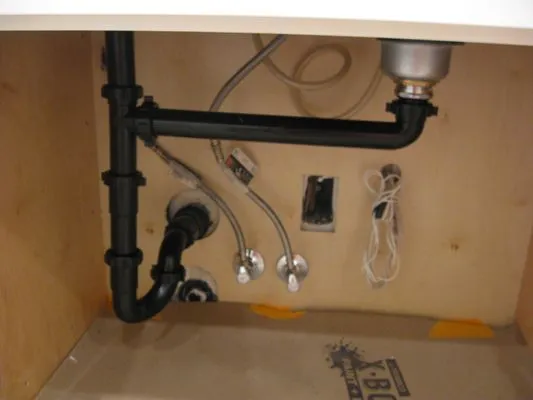
Charlie Hall Plumbing has been a trusted fixture in Portland, Oregon, since 1997. As a fully licensed service provider, we handle a comprehensive range of plumbing needs with a team of journeyman plum...
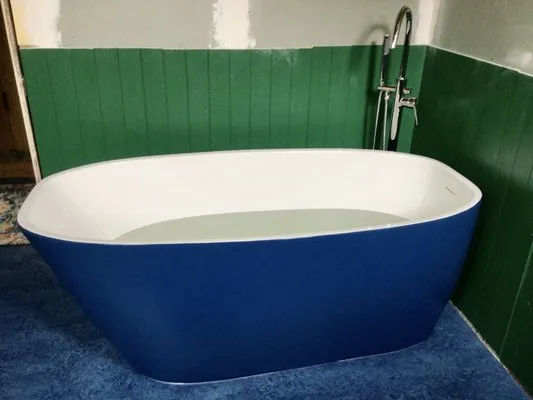
I'm a licensed journeyman plumber serving Portland and the surrounding areas, holding contractor licenses in both Oregon and Washington. Since 2016, I've been dedicated to helping homeowners, property...
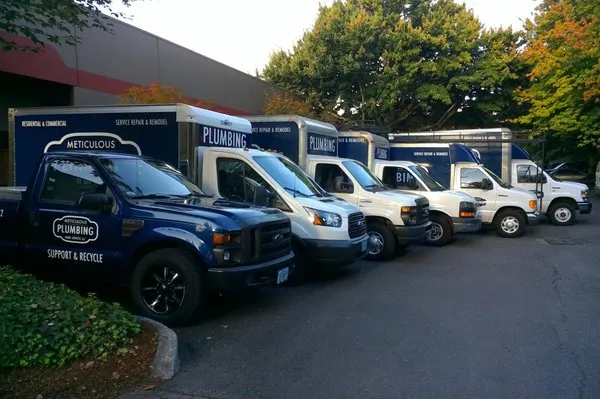
Meticulous Plumbing
Meticulous Plumbing is a family-owned, Portland-based company with over three decades of trusted service. Founded on a passion for both the craft and our community, we pride ourselves on building long...
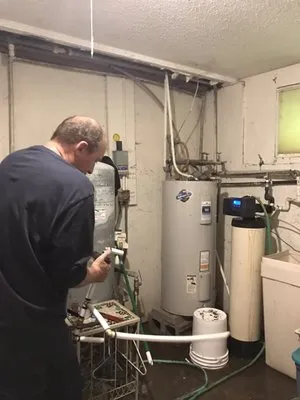
John D Plumbing is a locally-owned, licensed plumbing service dedicated to serving the Portland community. Known for straightforward pricing and prompt, efficient service, we believe in clear communic...
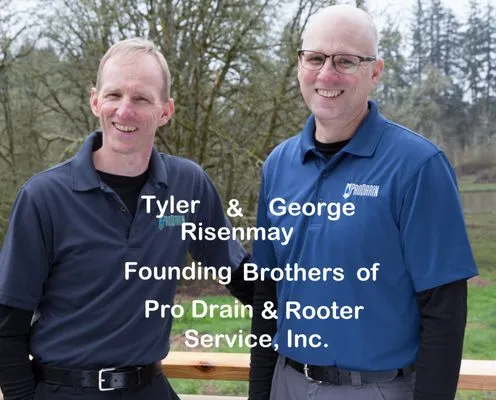
Pro Drain & Rooter Service is a trusted, family-owned plumbing company serving Beaverton and the greater Portland Metro area since 1995. What began with a single technician in a bright green van focus...

All Pro Plumbing Services
All Pro Plumbing Services is a family-owned plumbing contractor serving the Greater Portland Metro area, including Hillsboro, with over 20 years of experience. We provide comprehensive plumbing servic...
Estimated Plumbing Costs in Lexington, WA
Question Answers
Are there special plumbing concerns for a rural Lexington property?
Rural properties here often rely on private wells and septic systems, which municipal homes do not. Well pump pressure needs regular monitoring, and septic tanks require periodic pumping to avoid backups. The lateral lines from your house to the septic field are also vulnerable to root intrusion and soil conditions. Maintaining these independent systems requires a different protocol than city sewer and water.
Who pulls permits for a water heater replacement in Cowlitz County?
As a Master Plumber licensed by the Washington State Department of Labor & Industries, I pull all required permits from Cowlitz County Building and Planning. This ensures the installation meets current code for safety and efficiency. My credential means I handle the red tape and inspections so you don't have to. The permit process protects your investment and is a standard part of professional work here.
Could my home's location near the Cowlitz River cause plumbing problems?
Low-lying terrain near the river can saturate the soil, increasing hydrostatic pressure on underground sewer and water lines. This constant moisture and potential for slight soil shifting puts added stress on pipe connections. Over decades, this can lead to misaligned joints or cracks in the main line. Proper drainage away from your foundation is critical to mitigate this long-term stress.
How long does it take a plumber to get to Lexington from Longview or Kelso?
My dispatch route from the Cowlitz River area follows I-5 north. Heading past the river on I-5 to the Lexington exit typically takes 45 to 60 minutes, accounting for local road conditions. This is a standard response window for our service area. We provide clear timing when you call so you can plan accordingly.
Does soft water from the Cowlitz River damage my plumbing?
Soft water is less likely to cause scale buildup, but it is more corrosive to certain metals. Over time, it can accelerate the wear on copper pipes and the anode rod in your water heater. You may notice blue-green staining on fixtures, which indicates copper corrosion. We often recommend inspecting and replacing the anode rod more frequently in homes with soft water to extend the tank's life.
What causes pinhole leaks in copper pipes?
Pinhole leaks in 1990s copper are often due to a process called pitting corrosion. Over 34 years, microscopic imperfections in the pipe's interior can become focal points for erosion, especially with certain water chemistries. The pipe wall corrodes from the inside out until it perforates. These leaks frequently start in horizontal runs or at fittings where water turbulence is higher.
Do I need to drip my faucets in Lexington's winters?
Yes, when temperatures approach the 34°F low, dripping faucets is a prudent step. Our temperate climate means hard freezes are less common, but they do occur. A steady drip from the faucet farthest from your main water line keeps water moving, preventing pressure buildup from ice formation inside pipes. This simple action is the most reliable way to prevent a costly freeze burst.
Why are my 1990s Lexington home's pipes suddenly leaking?
Copper plumbing installed in 1992 is now 34 years old. In Lexington Proper, we are seeing these systems reach the end of their typical service life. The metal has undergone decades of thermal expansion and water flow, leading to wall thinning. Homeowners commonly notice pinhole leaks first at solder joints or where pipes contact framing. This is a predictable failure point for copper of this vintage.
