Top Emergency Plumbers in Langley, WA, 98260 | Compare & Call

There are 146 plumbing companies server in Langley WA
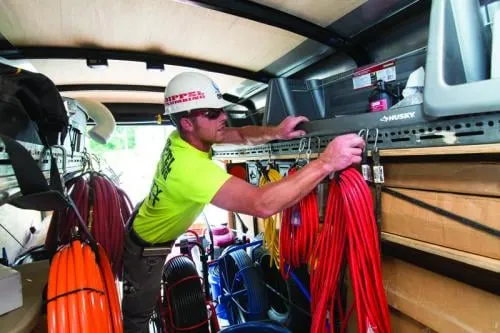
Einstein Plumbing is a trusted Seattle plumbing company serving homeowners and businesses throughout the greater Seattle area. We specialize in comprehensive plumbing solutions, from hot water recircu...
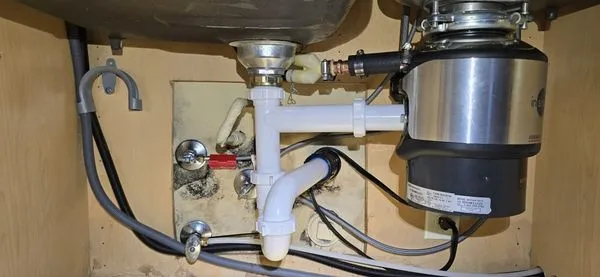
At JV Plumbing, owner and operator Jason brings over 20 years of hands-on plumbing experience to every job in Lake Stevens. His career began with four years at a plumbing supply warehouse, giving him ...
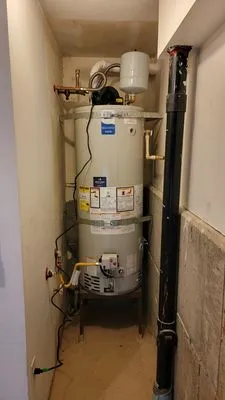
Watertite Plumbing, Heating, and Sewer
Watertite Plumbing, Heating, and Sewer was founded by a plumber who started in the trade young, developing skills and a strong work ethic. With over a decade of hands-on experience gained alongside th...
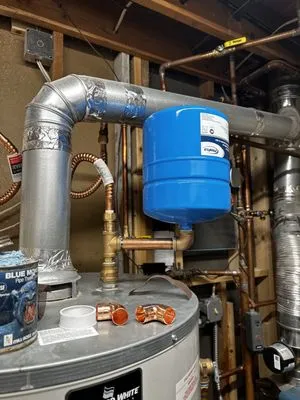
Green City Plumbing & Sewer LLC has been a trusted fixture in the Seattle community for over 15 years. We provide comprehensive plumbing and sewer services for both homes and businesses, focusing on r...
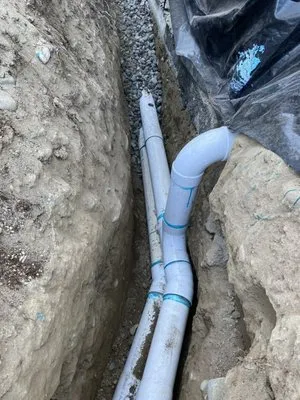
Lake Hills Rooter has been serving Bellevue homeowners and businesses with reliable plumbing and drain services for over a decade. Our experienced team handles everything from routine maintenance like...
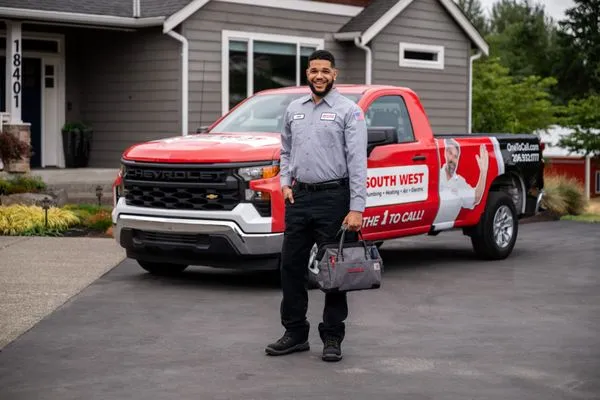
South West Plumbing, Heating, Air, & Electric
South West Plumbing, Heating, Air, & Electric is a family-founded, locally-owned company that has been serving Renton and the Greater Puget Sound area for over four decades. Starting from a single tru...

Sewer Friendly is a trusted, family and woman-owned plumbing service based in Edmonds, WA, with roots in the industry for over 20 years. Founded by Mike Petelle in 2002, we specialize in trenchless se...

Done Right Plumbing
Done Right Plumbing is a family-owned plumbing company serving Lynnwood, WA, and surrounding areas in King and Snohomish County. Founded on decades of combined experience, we provide reliable resident...
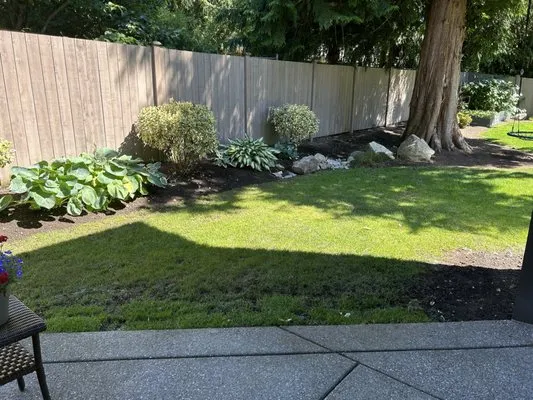
Allied Waterproofing & Drainage has been a trusted Seattle-area contractor since 1990, specializing in protecting homes and businesses from the Pacific Northwest's damp climate. We provide comprehensi...

Seattle Bath and Shower is a local, small business dedicated to transforming bathrooms in the Seattle area. We specialize in efficient one-day installations for tub-to-shower and shower-to-tub convers...
Estimated Plumbing Costs in Langley, WA
Common Questions
How does living in rural Langley affect my plumbing system?
Rural Langley properties often combine municipal water with septic systems. This requires maintaining both supply lines and drainage fields. Septic tanks need pumping every 3-5 years to prevent backups, while well components like pressure tanks require periodic checks. Understanding this dual system helps avoid cross-contamination issues.
Why do my copper pipes keep developing small leaks?
Copper pipes from the late 1980s often fail due to pinhole leaks caused by corrosion and scale buildup. The joints can calcify over time, restricting water flow and creating weak points. These issues are common in Langley homes built around 1987 and typically require section replacement rather than temporary patches.
My Langley home was built around 1987. What should I expect from my plumbing now?
Copper pipes installed in 1987 are about 39 years old in 2026. In Downtown Langley, homeowners are seeing pinhole leaks and joint calcification as the copper thins from decades of water flow. These failures often start in hidden spots like crawl spaces or behind walls. Regular inspections can catch small issues before they become major water damage.
Does Langley's hard water affect my plumbing fixtures?
City of Langley Municipal Wells supply hard water that causes significant scale buildup. This mineral accumulation reduces water heater efficiency by insulating heating elements and clogs aerators in faucets. Over time, it can shorten appliance lifespans and increase energy costs. Installing a water softener or descaling regularly helps mitigate these effects.
Who handles permits for plumbing work in Langley?
I coordinate directly with Langley Planning and Building Department for local permits and Washington State Department of Labor & Industries for state requirements. My credentials cover all necessary inspections and code compliance. This ensures your project meets regulations without you navigating bureaucratic processes.
How quickly can a plumber reach my home in Langley during an emergency?
Heading past Whidbey Island Fairgrounds on State Route 525, I can typically reach most Langley addresses within 45-60 minutes. This dispatch route covers the main access points across Whidbey Island. Knowing local shortcuts helps minimize travel time during urgent calls like burst pipes or sewer backups.
Could my home's slope be causing drainage problems?
Langley's coastal terrain creates drainage challenges, especially near slopes like those around Whidbey Island Fairgrounds. Soil erosion can expose or stress main sewer lines, leading to misalignment or cracks. Proper grading away from foundations and regular drain line inspections prevent backups and structural damage from water accumulation.
What's the best way to prevent frozen pipes in Langley's winters?
With winter lows around 36°F, Langley's temperate climate still sees freeze risks. Insulate exposed pipes in unheated areas like crawl spaces and garages. Let faucets drip during cold snaps to maintain water movement. Drain outdoor spigots before freezing weather arrives to avoid burst pipes that can flood foundations.
