Top Emergency Plumbers in Lake Tapps, WA, 98092 | Compare & Call

There are 238 plumbing companies server in Lake Tapps WA
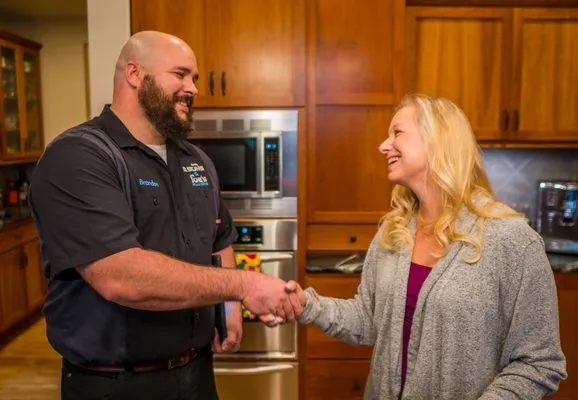
2 Sons Plumbing, Sewer, Electric, Heating & Air
My name is Tyler, and I'm one of the owners of 2 Sons Plumbing, Sewer, Electric, Heating & Air. I've been working in the Seattle plumbing industry for 28 years, learning everything from basic repairs ...

Bee's Plumbing And Heating
Bee's Plumbing and Heating is a locally-owned Seattle plumbing service founded by Ben and Melissa, a husband-and-wife team with deep roots in both the community and the trade. Ben, a former UW athlete...

Homeservice Plumbers
Homeservice Plumbers is a licensed and bonded plumbing company serving Bellevue, WA, and surrounding areas. We provide comprehensive residential and commercial plumbing solutions, including emergency ...
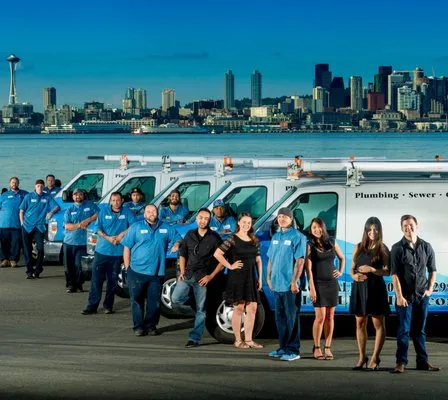
Ally Plumbing & Restoration
Ally Plumbing & Restoration is a family-owned plumbing and restoration company serving the Seattle Metropolitan area. Founded by a plumber who began his career in Hawaii, the business grew from a pass...
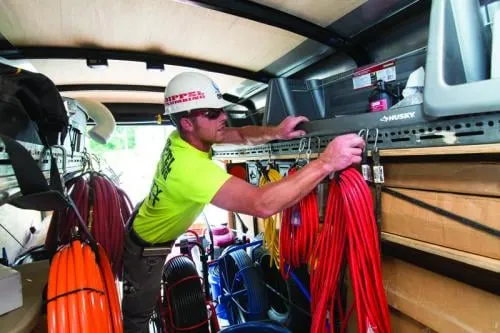
Einstein Plumbing is a trusted Seattle plumbing company serving homeowners and businesses throughout the greater Seattle area. We specialize in comprehensive plumbing solutions, from hot water recircu...
Two Brothers Water Heater Repair
Two Brothers Water Heater Repair is a family-operated plumbing service in Seattle, WA, founded by brothers who learned the trade from their father and gained experience working for various plumbing co...

Salish Plumbing Co. is a veteran, Native-owned plumbing company serving Shoreline, WA, and the surrounding communities. We provide a comprehensive range of services for both homes and businesses, from...
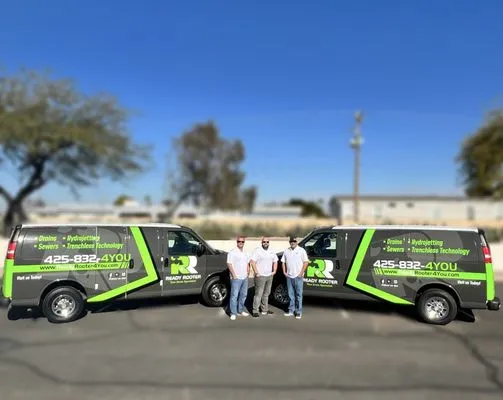
Ready Rooter
Ready Rooter is a family-owned plumbing and drain specialist serving Bellevue and the Seattle metro area. With over 15 years of experience as a technician and drain specialist, owner Adam brings a pra...
Watertite Plumbing, Heating, and Sewer
Watertite Plumbing, Heating, and Sewer was founded by a plumber who started in the trade young, developing skills and a strong work ethic. With over a decade of hands-on experience gained alongside th...
Green City Plumbing & Sewer LLC has been a trusted fixture in the Seattle community for over 15 years. We provide comprehensive plumbing and sewer services for both homes and businesses, focusing on r...
Estimated Plumbing Costs in Lake Tapps, WA
Question Answers
How does Lake Tapps' hilly terrain impact my home's drainage and main line?
The sloping landscape around Allan Yorke Park creates gravitational stress on main sewer lines running downhill. Soil shifting on hills can misalign pipe joints, leading to leaks or blockages. Drainage systems must handle rapid water runoff during heavy rains, which can overwhelm older French drains. Proper grading around your foundation is essential to prevent water from pooling against the house.
As a suburban homeowner in Lake Tapps, what plumbing issues are unique to my area?
Municipal water pressure in Lake Tapps Estates typically ranges 50-70 PSI, which is adequate but can stress older copper systems. Tree roots from mature landscaping sometimes infiltrate sewer laterals, requiring camera inspections. Most homes have standard municipal connections rather than wells or septic systems, so issues usually involve main line blockages or pressure regulation rather than pump failures.
Why do older copper pipes in Lake Tapps fail, and what's the most common issue?
Copper pipes installed in 1987 often develop pinhole leaks due to electrolytic corrosion over nearly four decades. Joint calcification is another frequent problem—mineral deposits harden at connections, causing slow leaks or reduced pressure. These failures typically occur where pipes contact dissimilar metals or in areas with aggressive water chemistry, requiring section replacement rather than just patching.
Who handles permits and inspections for plumbing work in Pierce County?
Pierce County Planning and Public Works issues permits for most residential plumbing projects, while the Washington State Department of Labor & Industries oversees contractor licensing. As a licensed master plumber, I manage this paperwork and coordinate inspections so homeowners don't navigate the bureaucracy. Proper permitting ensures work meets current codes and protects your home's value.
Does Lake Tapps' soft water affect my home's plumbing system?
Soft water from Lake Tapps lacks minerals that cause scale, but it's more corrosive to metal components over time. Water heaters and fixtures may experience accelerated wear on anode rods and internal parts. You might notice faster deterioration of rubber seals and gaskets compared to areas with harder water. Installing dielectric unions between dissimilar metals helps mitigate this corrosion.
What should I do to prevent frozen pipes during Lake Tapps winters?
When temperatures drop to 34°F or below, insulate exposed pipes in crawl spaces and attics, especially on north-facing walls. Keep cabinet doors open to allow warm air circulation around plumbing during cold snaps. Let faucets drip slightly overnight to maintain water movement. Drain and disconnect outdoor hoses before the first freeze—these simple steps prevent most winter emergencies in our temperate climate.
How quickly can a plumber reach my home in Lake Tapps during an emergency?
Heading past Allan Yorke Park on State Route 410, most service calls from Bonney Lake or Sumner take 45-60 minutes depending on traffic and your exact location. The route follows SR 410 through the corridor, then branches into residential areas. We factor in this transit time when scheduling, so you get an accurate arrival window rather than a rushed estimate.
How old are the pipes in Lake Tapps homes and what should I expect?
Copper plumbing in Lake Tapps was installed around 1987, making it 39 years old in 2026. At this age, homeowners in Lake Tapps Estates often notice pinhole leaks developing in pipes, especially at joints and elbows. Scale buildup from decades of mineral deposits can restrict water flow, and you might see blue-green stains around fixtures from corrosion. These issues typically start appearing in homes built during that period, requiring more frequent inspections.
