Top Emergency Plumbers in Lake Cassidy, WA, 98223 | Compare & Call

There are 236 plumbing companies server in Lake Cassidy WA
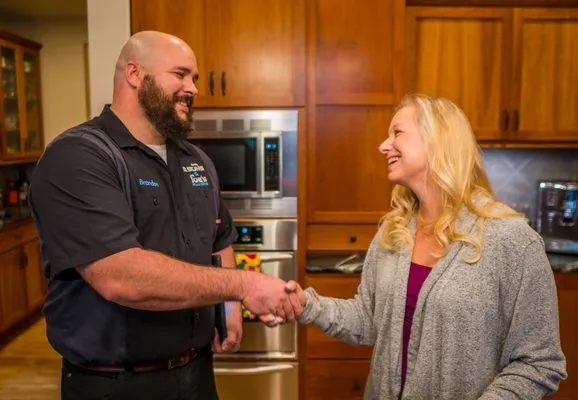
2 Sons Plumbing, Sewer, Electric, Heating & Air
My name is Tyler, and I'm one of the owners of 2 Sons Plumbing, Sewer, Electric, Heating & Air. I've been working in the Seattle plumbing industry for 28 years, learning everything from basic repairs ...

Bee's Plumbing And Heating
Bee's Plumbing and Heating is a locally-owned Seattle plumbing service founded by Ben and Melissa, a husband-and-wife team with deep roots in both the community and the trade. Ben, a former UW athlete...
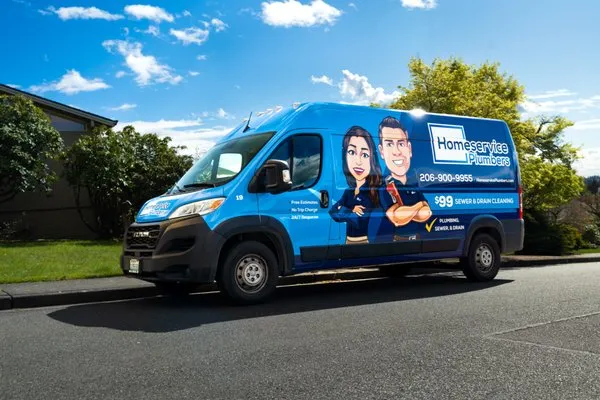
Homeservice Plumbers
Homeservice Plumbers is a licensed and bonded plumbing company serving Bellevue, WA, and surrounding areas. We provide comprehensive residential and commercial plumbing solutions, including emergency ...
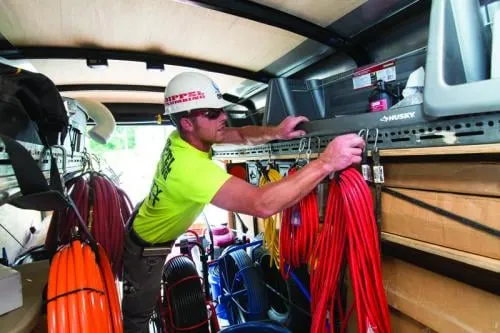
Einstein Plumbing is a trusted Seattle plumbing company serving homeowners and businesses throughout the greater Seattle area. We specialize in comprehensive plumbing solutions, from hot water recircu...

Two Brothers Water Heater Repair
Two Brothers Water Heater Repair is a family-operated plumbing service in Seattle, WA, founded by brothers who learned the trade from their father and gained experience working for various plumbing co...
Seatown Electric Plumbing Heating and Air
Seatown Electric Plumbing Heating and Air is a Mukilteo-based, locally owned and operated home services provider founded by Brandon, who has over 15 years of industry experience. The company is built ...
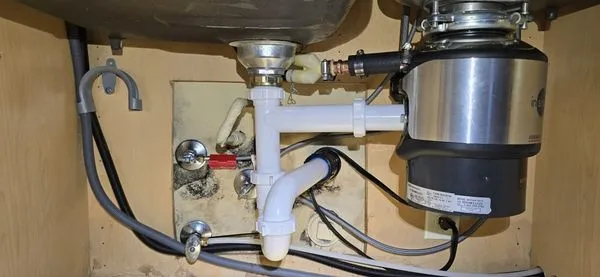
At JV Plumbing, owner and operator Jason brings over 20 years of hands-on plumbing experience to every job in Lake Stevens. His career began with four years at a plumbing supply warehouse, giving him ...
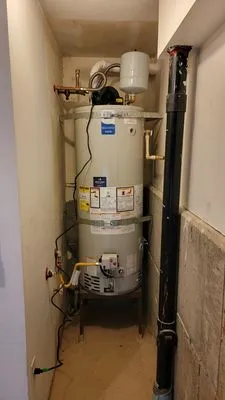
Watertite Plumbing, Heating, and Sewer
Watertite Plumbing, Heating, and Sewer was founded by a plumber who started in the trade young, developing skills and a strong work ethic. With over a decade of hands-on experience gained alongside th...
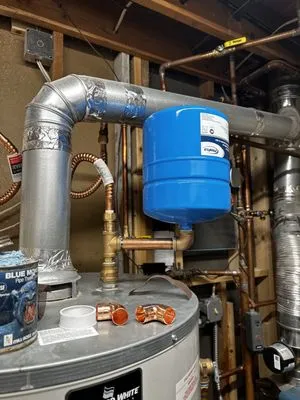
Green City Plumbing & Sewer LLC has been a trusted fixture in the Seattle community for over 15 years. We provide comprehensive plumbing and sewer services for both homes and businesses, focusing on r...
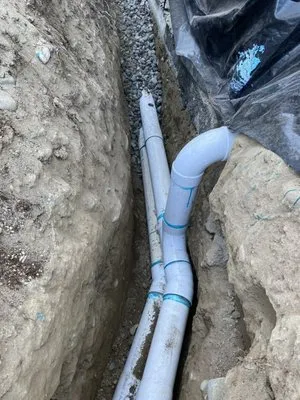
Lake Hills Rooter has been serving Bellevue homeowners and businesses with reliable plumbing and drain services for over a decade. Our experienced team handles everything from routine maintenance like...
Estimated Plumbing Costs in Lake Cassidy, WA
Questions and Answers
Do I need a permit to replace my water heater, and who handles that?
Yes, Snohomish County requires permits for water heater replacements. As a licensed master plumber, I pull all necessary permits through Snohomish County Planning and Development Services and ensure the installation meets Washington State Department of Labor & Industries code. My credentials mean I handle the red tape and inspections so you don't have to.
Does having a private well affect my plumbing and water heater?
Yes, private wells around Lake Cassidy often pull acidic, corrosive water. This accelerates wear on all fixtures and appliances. For water heaters, the anode rod corrodes faster than normal, leaving the tank vulnerable. You should check and replace that rod more frequently, and consider a whole-house neutralizer to protect your entire plumbing system.
How quickly can a plumber get to my home if I have a burst pipe?
A dispatch from my shop typically takes 45 to 60 minutes to reach most homes around the lake. The route involves heading past Lake Cassidy itself to connect with State Route 9, then navigating the local roads in the estates. While I can't control traffic or weather, that's the standard travel time for emergency calls in this area.
What's the most important spring plumbing maintenance for this area?
Before the spring thaw hits its peak, disconnect garden hoses and inspect your exterior hose bibs. Trapped water can freeze and crack the bib or the pipe behind the wall, and you won't know until you turn it on. With lows around 34 degrees, a single cold night is enough to cause damage if water is left standing in those lines.
Could the hilly land around Lake Cassidy be causing my drainage problems?
The slope puts constant, uneven stress on your main sewer or water line. Over time, this can cause joints to separate or pipes to sag, creating bellies that collect debris and lead to blockages. For drainage, surface water naturally flows downhill, which can overload your system if gutters and downspouts aren't directed well away from your foundation.
My house in Lake Cassidy was built in 1991. Are my copper pipes getting too old?
Copper pipes installed in 1991 are now 35 years old. This is the age where we consistently see problems start in Lake Cassidy Estates. Homeowners are calling about pinhole leaks, especially near joints and fittings where the solder has fatigued over decades. The pipe walls thin from internal corrosion, and you might notice small, persistent damp spots on drywall or a drop in water pressure before a full leak develops.
Why does my copper plumbing keep springing pinhole leaks?
For 1991-era copper, pinhole leaks are a common failure point. The primary cause is often acidic, corrosive water from private wells reacting with the pipe over 35 years. This corrosion creates weak spots that eventually perforate. You'll also find calcification at joints, which can restrict flow and create points of stress that lead to failure.
Are there special plumbing considerations for a rural home with a well and septic?
Your system is self-contained. A failing pressure tank or well pump affects your entire water supply, and a septic backup is a direct health hazard. You don't have a municipal sewer to fall back on. It's critical to maintain both systems proactively, as a problem with one immediately impacts the other and your home.
