Top Emergency Plumbers in Grandview, WA, 98930 | Compare & Call

There are 41 plumbing companies server in Grandview WA
Jeo's Plumbing is a trusted local plumbing service in Yakima, WA, dedicated to solving common household plumbing issues that Yakima homeowners face. We specialize in comprehensive plumbing solutions, ...

Campbell & Company
Since 1983, Campbell & Company has been a trusted name in home services, starting from a humble garage in downtown Pasco and growing through a steadfast commitment to quality and customer care. Today,...
1st American Plumbing has been a trusted name for over 15 years, providing reliable plumbing services to both homes and businesses throughout Yakima, WA. Our licensed and bonded team is equipped to ha...
CSR Drain Cleaning & Plumbing
CSR Drain Cleaning & Plumbing brings over 17 years of dedicated plumbing expertise to Yakima and Kittitas Counties. Founded in 2017, our mission is rooted in providing reliable, high-quality service f...
Generations Trenchless and Plumbing
Thomas, the owner of Generations Trenchless and Plumbing, brings over 16 years of plumbing experience, with the last decade focused on trenchless technology, to West Richland and the Tri-Cities. He fo...

Viking Plumbing & Mechanical is your trusted, local plumbing partner serving Yakima, Selah, Ellensburg, and the Tri-Cities area. We are a licensed and insured team dedicated to providing reliable plum...
Burke Plumbing
Burke Plumbing is a family-owned plumbing company serving the Yakima community since 1981. Founded by Richard Burke and now led by his son, Lance, we are a proud third-generation business with fourth-...
Shephard Plumbing was founded in Yakima in 2014 by a journeyman plumber with more than 15 years of hands-on experience. The company was built on a desire to serve the local community by providing a le...
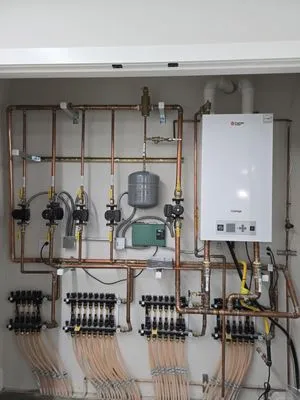
1st Choice Plumbing and Repair is Selah's trusted local plumbing expert, providing comprehensive residential and commercial services to keep homes and businesses running smoothly. We specialize in eve...
Mr. Rooter Plumbing of Yakima
For over 50 years, Mr. Rooter Plumbing of Yakima has built a reputation as a trusted local plumbing service, operating on the core values of honesty and quality workmanship established by the original...
Estimated Plumbing Costs in Grandview, WA
Frequently Asked Questions
How quickly can a plumber reach my home near Downtown Grandview?
From Grandview Museum, I take I-82 east or west depending on your location, which keeps most calls within a 20-30 minute window. This route avoids surface street delays common during peak hours. Knowing the area lets me plan efficient dispatch, so I'm typically at your door ready to assess the situation without wasted time.
Are there special plumbing considerations for homes in rural Grandview areas?
Rural Grandview homes often rely on wells and septic systems rather than municipal water and sewer. Well pumps need regular maintenance to handle hard water scaling, and septic tanks require pumping every 3-5 years to avoid backups. Pressure tanks should be checked for proper air charge, as low pressure can strain older copper pipes. Keeping records of your well depth and septic layout helps with troubleshooting.
Does Yakima River water cause problems for my plumbing fixtures?
Water from the Yakima River is hard, meaning it contains high levels of calcium and magnesium. These minerals form scale buildup inside water heaters, reducing efficiency and shortening their lifespan. Fixtures like showerheads and faucets develop crusty deposits that restrict flow over time. Installing a water softener or using vinegar to descale fixtures annually can mitigate these effects.
How old are the pipes in my Grandview home built around 1978, and what should I watch for?
Copper pipes installed in 1978 are now 48 years old. Homeowners in Downtown Grandview often notice pinhole leaks or green corrosion spots at joints. At this age, the copper has thinned from decades of water flow, making it more susceptible to failure during pressure changes. Regular inspections of exposed pipes in basements or crawlspaces can catch issues before they become emergencies.
What should I do to prepare my plumbing for Grandview's cold winters and spring thaw?
With lows around 28°F, pipes in uninsulated areas like crawlspaces can freeze. Before winter, disconnect garden hoses and insulate exposed pipes. During spring thaw, check for leaks as frozen pipes may have cracked. A pro-tip for this arid climate is to maintain consistent indoor temperatures, as dry air can accelerate pipe corrosion. Setting your thermostat no lower than 55°F when away helps prevent freeze-ups.
How does the flat land around Grandview affect my home's drainage?
Grandview's plain terrain means water doesn't drain away quickly from properties. Near Grandview Museum, soil can become saturated during heavy rains, putting stress on main sewer lines. Flat slopes may cause backups in basements or low-lying areas. Ensuring your lateral line has proper pitch and installing a backwater valve can prevent sewage from flowing back into your home during peak runoff events.
Who handles permits and inspections for plumbing work in Grandview?
The City of Grandview Building Department issues permits for most plumbing projects, while the Washington State Department of Labor and Industries oversees licensing. As a master plumber, I handle the red tape so you don't have to, submitting plans and scheduling inspections on your behalf. This ensures work meets current codes, which is crucial for insurance and resale value. You just need to approve the scope and timeline.
Why do my copper pipes from the 1970s keep springing leaks?
Copper pipes from 1978 often develop pinhole leaks due to corrosion from hard water minerals. Over 48 years, scale buildup inside the pipes creates uneven pressure points that wear through the metal. Joint calcification is another issue, where mineral deposits weaken solder connections, leading to drips behind walls. Replacing sections with modern fittings or considering a whole-house repipe might be necessary if failures become frequent.
