Top Emergency Plumbers in DuPont, WA, 98327 | Compare & Call

There are 238 plumbing companies server in Dupont WA
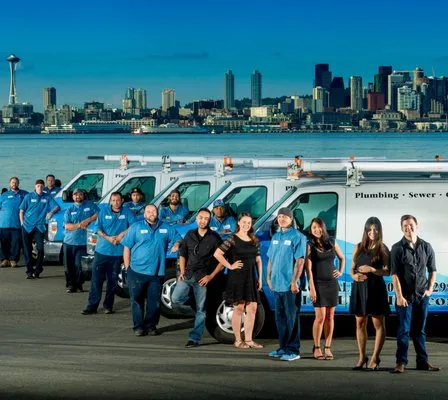
Ally Plumbing & Restoration
Ally Plumbing & Restoration is a family-owned plumbing and restoration company serving the Seattle Metropolitan area. Founded by a plumber who began his career in Hawaii, the business grew from a pass...
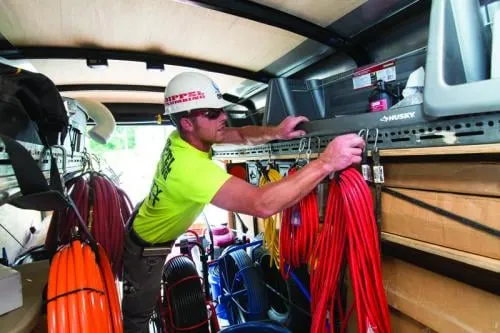
Einstein Plumbing is a trusted Seattle plumbing company serving homeowners and businesses throughout the greater Seattle area. We specialize in comprehensive plumbing solutions, from hot water recircu...

Two Brothers Water Heater Repair
Two Brothers Water Heater Repair is a family-operated plumbing service in Seattle, WA, founded by brothers who learned the trade from their father and gained experience working for various plumbing co...
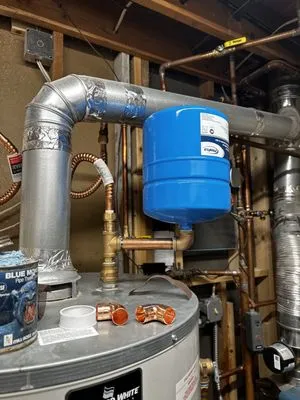
Green City Plumbing & Sewer LLC has been a trusted fixture in the Seattle community for over 15 years. We provide comprehensive plumbing and sewer services for both homes and businesses, focusing on r...
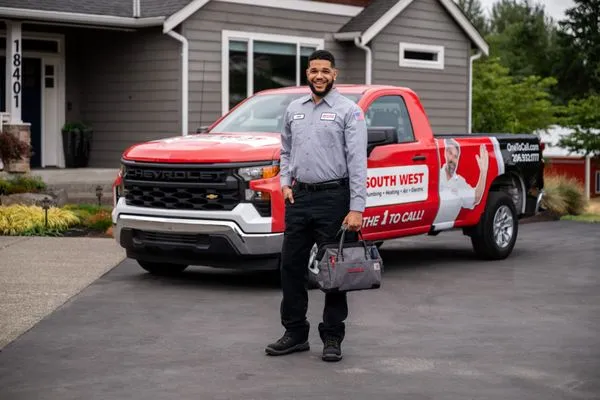
South West Plumbing, Heating, Air, & Electric
South West Plumbing, Heating, Air, & Electric is a family-founded, locally-owned company that has been serving Renton and the Greater Puget Sound area for over four decades. Starting from a single tru...

Zoom Drain in Puyallup is built on a foundation of service and systems excellence, founded by Gordon, a US Navy veteran who transitioned from a career in complex IT implementation to the trades. The c...

Fritz Plumbing and Drain is a locally owned and operated plumbing company serving Seattle and surrounding areas since 1996. With over 40 years of combined experience, our licensed and bonded technicia...
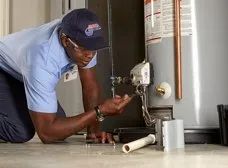
Roto-Rooter Plumbing & Water Cleanup
Roto-Rooter Plumbing & Water Cleanup provides trusted plumbing and restoration services for Seattle residents and businesses. We are open, fully staffed, and ready to help 24 hours a day, 7 days a wee...
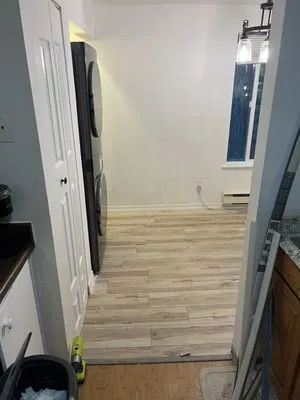
Southern Boyz General Contractor and Plumbing is a local black-owned business serving Tacoma, WA, with comprehensive home improvement and plumbing solutions. We provide reliable service for everything...
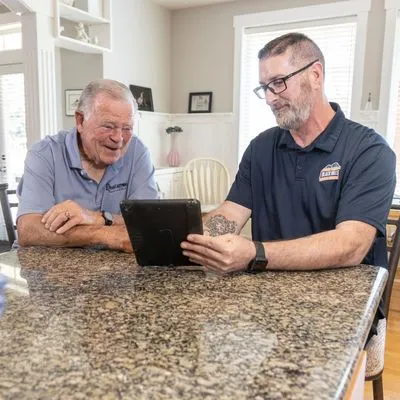
Black Hills
Black Hills in Olympia, WA is a trusted local provider of HVAC, plumbing, and electrical services for homeowners in Thurston County. Since 1993, we've specialized in comprehensive home comfort solutio...
Estimated Plumbing Costs in DuPont, WA
Question Answers
Could the coastal terrain near Nisqually affect my home's drainage?
The gentle slopes and clay-rich soils common around Nisqually National Wildlife Refuge can stress main water lines over time. Soil movement from seasonal wet-dry cycles puts lateral pressure on pipes, potentially causing joint separation or cracks. Surface drainage patterns may direct water toward foundations, increasing hydrostatic pressure on underground plumbing. Proper grading away from your home's foundation and periodic inspection of exposed pipe runs helps identify issues before they become major leaks.
Who handles permits and regulations for plumbing work in DuPont?
I coordinate directly with the DuPont Community Development Department for local permits and Washington State Department of Labor & Industries for required inspections. My credentials cover all necessary approvals for residential plumbing modifications, repairs, and installations. This includes backflow prevention certifications, water heater replacements, and sewer line work. Handling this red tape ensures your project meets current codes without requiring homeowner involvement in bureaucratic processes.
What plumbing problems are common in 2002-built homes with PEX?
PEX installed around 2002 often shows pinhole leaks at brass fittings where dissimilar metals meet without proper dielectric unions. The plasticizer in older PEX formulations can become brittle over two decades, leading to cracks at stress points. We also see joint calcification where hard water minerals accumulate at connection points, restricting flow. These issues typically manifest first at water heater connections and under sinks where fittings experience thermal cycling.
As a suburban homeowner in DuPont, what plumbing issues should I watch for?
Municipal water pressure in DuPont's suburban system typically runs 60-80 PSI, which is manageable for most residential plumbing. However, pressure fluctuations during peak usage can stress older fittings. Tree roots seeking moisture sometimes infiltrate lateral lines, especially near property boundaries. Regular checks of your pressure regulator and monitoring for slow drains can catch these suburban-specific issues early. Most problems originate at the interface between municipal supply and your home's internal system.
Our Bell Hill home was built around 2002 - should I be worried about the plumbing now?
Your PEX piping is about 24 years old, which puts it in the range where we see predictable issues. Homeowners in Bell Hill are now noticing small leaks at fittings, reduced water pressure from mineral buildup in older sections, and occasional discolored water when scale breaks loose. This doesn't mean immediate failure, but it's the age where proactive inspection catches problems before they become emergencies. I recommend checking visible pipes in basements and crawl spaces for any signs of moisture or corrosion.
How quickly can a plumber reach DuPont for an emergency call?
Heading past Nisqually National Wildlife Refuge on I-5, our dispatch route typically takes 30-45 minutes depending on traffic and your exact location in DuPont. We monitor I-5 conditions in real-time and can adjust routes if there's congestion near the refuge exits. For urgent situations like burst pipes, we prioritize these calls and communicate estimated arrival times as we're en route.
Does Tacoma's soft water affect my home's plumbing system?
Tacoma's soft water reduces scale buildup in pipes but accelerates corrosion in water heaters and fixtures. The low mineral content makes water more aggressive toward metal components, particularly in electric water heaters where anode rods deplete faster. You might notice blue-green staining around faucets from copper corrosion or premature failure of water heater elements. Installing a dielectric union between dissimilar metals and maintaining anode rod replacement schedules helps mitigate these effects.
What should I do to prevent frozen pipes during DuPont's winter freezes?
When temperatures approach 35°F, focus on exterior walls and crawl spaces where pipes are most vulnerable. Insulate pipes in unheated areas and keep cabinet doors open to allow warm air circulation. Let faucets drip slightly during sustained freezes to maintain water movement. For vacation homes or extended absences, consider draining the system or maintaining minimum heat above 55°F. These temperate winters rarely cause catastrophic freezing, but overnight dips can still damage exposed plumbing.
