Top Emergency Plumbers in Crocker, WA, 98360 | Compare & Call

There are 239 plumbing companies server in Crocker WA
2 Sons Plumbing, Sewer, Electric, Heating & Air
My name is Tyler, and I'm one of the owners of 2 Sons Plumbing, Sewer, Electric, Heating & Air. I've been working in the Seattle plumbing industry for 28 years, learning everything from basic repairs ...
Ally Plumbing & Restoration
Ally Plumbing & Restoration is a family-owned plumbing and restoration company serving the Seattle Metropolitan area. Founded by a plumber who began his career in Hawaii, the business grew from a pass...

Salish Plumbing Co. is a veteran, Native-owned plumbing company serving Shoreline, WA, and the surrounding communities. We provide a comprehensive range of services for both homes and businesses, from...
Watertite Plumbing, Heating, and Sewer
Watertite Plumbing, Heating, and Sewer was founded by a plumber who started in the trade young, developing skills and a strong work ethic. With over a decade of hands-on experience gained alongside th...
Green City Plumbing & Sewer LLC has been a trusted fixture in the Seattle community for over 15 years. We provide comprehensive plumbing and sewer services for both homes and businesses, focusing on r...
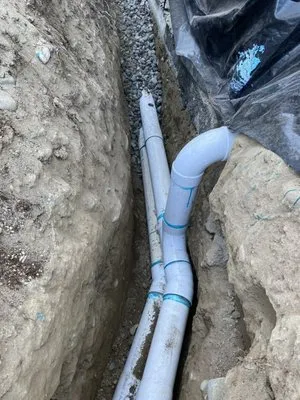
Lake Hills Rooter has been serving Bellevue homeowners and businesses with reliable plumbing and drain services for over a decade. Our experienced team handles everything from routine maintenance like...
South West Plumbing, Heating, Air, & Electric
South West Plumbing, Heating, Air, & Electric is a family-founded, locally-owned company that has been serving Renton and the Greater Puget Sound area for over four decades. Starting from a single tru...

Zoom Drain in Puyallup is built on a foundation of service and systems excellence, founded by Gordon, a US Navy veteran who transitioned from a career in complex IT implementation to the trades. The c...

Fritz Plumbing and Drain is a locally owned and operated plumbing company serving Seattle and surrounding areas since 1996. With over 40 years of combined experience, our licensed and bonded technicia...

Sewer Friendly is a trusted, family and woman-owned plumbing service based in Edmonds, WA, with roots in the industry for over 20 years. Founded by Mike Petelle in 2002, we specialize in trenchless se...
Estimated Plumbing Costs in Crocker, WA
FAQs
How fast can a plumber get to a house in Crocker?
From my shop, the dispatch route starts down the Foothills Trail to connect with State Route 162. Heading past Foothills Trail on State Route 162, the drive into most of Crocker takes about 45 to 60 minutes depending on your specific location off the main road. We factor this travel time into our scheduling for service calls.
What permits are needed for a plumbing repair or remodel in Pierce County?
Most substantial repairs or remodels require a permit from Pierce County Planning and Public Works. As a Master Plumber licensed by the Washington State Department of Labor & Industries, I pull these permits and schedule the required inspections as part of the job. This ensures the work meets current code, protects your home's value, and handles the red tape so you don't have to navigate the county process yourself.
Are there special plumbing considerations for a rural home in Crocker?
Rural plumbing here revolves around your private well and septic system. Well pump pressure switches and tanks need regular service, and the septic field's health is critical—overloading it or putting harsh chemicals down drains can cause a costly backup. There's no municipal oversight for blockages, so responsibility for the entire system, from the well cap to the septic drain field, rests with the homeowner.
My Crocker property is on a hill—does that affect my sewer or drain lines?
Hilly terrain, common around the Foothills Trail area, puts significant stress on the main sewer line exiting your home. The constant downhill pitch can cause sections to settle or separate at the joints over time. This slope also means surface runoff during heavy rain can erode soil around buried pipes, potentially exposing them to damage or freezing during our colder nights.
What should I do to prepare my Crocker home's plumbing for spring?
Before the spring thaw hits its peak, walk your property to check for exposed pipe insulation that may have shifted over winter. A key pro-tip for our temperate climate is to ensure your yard's drainage ditches are clear of debris; this prevents meltwater from pooling against your foundation and potentially flooding a crawl space or basement where plumbing lines are located.
Does hard well water in Crocker damage my plumbing fixtures?
Yes, the mineral-heavy water from private wells accelerates scale buildup inside pipes and appliances. Water heaters are hit hardest, with sediment coating the heating elements and tank lining, which reduces efficiency and can lead to premature failure. You'll also see scale crusting on faucet aerators and showerheads, which restricts flow and damages internal cartridges.
Is my 1980s copper plumbing in Crocker starting to fail?
Your copper piping, installed around 1986, is now forty years old. This is the typical lifespan for copper in our water conditions. Homeowners in Crocker Valley are currently dealing with pinhole leaks in the hot water lines and failing solder joints, often first noticed as small green stains on pipe fittings or a drop in water pressure.
What's the most common plumbing repair for homes built in Crocker in the 80s?
For 1986-era copper, the most frequent failure is pinhole leaks caused by internal corrosion and scale buildup. The solder joints from that period are also prone to calcification and cracking, especially where the pipe connects to fixtures. Repair often involves cutting out the failed section and installing a new copper or PEX segment with proper dielectric unions to prevent future galvanic corrosion.
