Top Emergency Plumbers in Coupeville, WA, 98239 | Compare & Call

There are 52 plumbing companies server in Coupeville WA
Endolyne Plumbing Services, founded in 2015 by master plumber Ryan, is a trusted, locally-owned plumbing company serving the greater Seattle area. Ryan brings over 15 years of hands-on experience to e...
BelRed Heating, Cooling, Plumbing & Electrical
BelRed Heating, Cooling, Plumbing & Electrical has been serving the Mukilteo community since 1986, bringing over 35 years of trusted home service expertise to local residents. As a licensed and bonded...
Septic Response is a licensed, full-service plumbing and septic system provider based in Kirkland, WA, proudly serving King, Snohomish, Island, and Skagit Counties. We are a locally owned and operated...
Platinum Choice Plumbing
For over a decade, Platinum Choice Plumbing has been a trusted local fixture, serving homes and businesses across Kirkland, the Greater Eastside, Snohomish, and Skagit counties. As a licensed, bonded,...

Five Star Bath Solutions of North Seattle
Jason Heck, owner of Five Star Bath Solutions of North Seattle, brings reliable bathroom remodeling and plumbing services to Mill Creek. His approach is centered on quality, using durable, mold-resist...
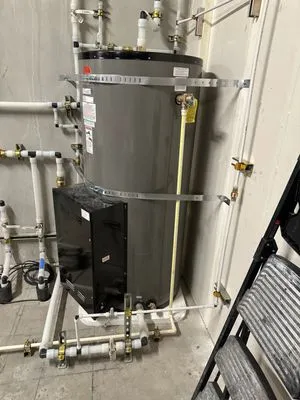
Axiom Plumbing Services provides reliable, professional plumbing solutions for homeowners in Lynnwood, WA, and the surrounding areas. We understand local challenges, such as garbage disposal jams from...
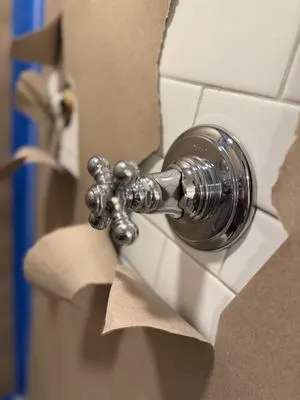
Pinnacle Advance Solutions is your dedicated Marysville plumbing partner for both new construction and home updates. We provide comprehensive plumbing and mechanical services for single-family homes a...

Founded in 1986, Transit Plumbing Inc. has been a trusted provider of plumbing services for the Pacific Northwest. Our team consists of Washington State licensed Commercial Journeyman Plumbers, ensuri...
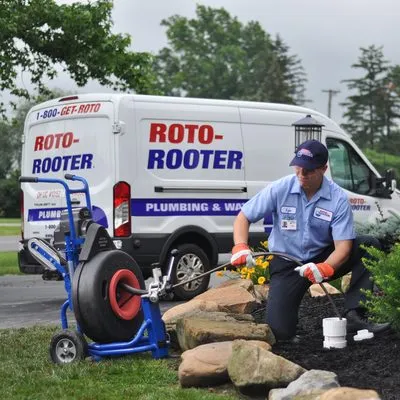
Roto-Rooter Plumbing & Water Cleanup
Roto-Rooter Plumbing & Water Cleanup is Everett's trusted 24/7 emergency plumbing and water damage restoration partner. Our local team is fully staffed and ready to respond at any hour, day or night, ...
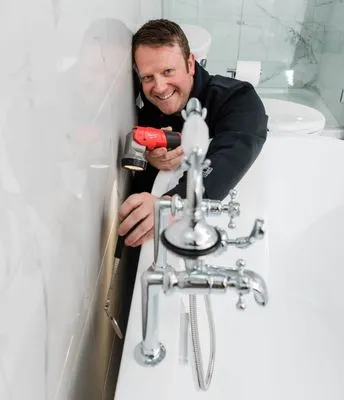
Stollwerck Plumbing is a Mukilteo-based, family-owned company built on decades of local experience and genuine community roots. Founder Erik Stollwerck is a Mariner High School and Western Washington ...
Estimated Plumbing Costs in Coupeville, WA
Question Answers
Could the sloping land near Ebey's Landing cause plumbing problems?
The coastal terrain and sandy, unstable soils common around here absolutely stress plumbing infrastructure. A sloping lot can put uneven pressure on the main water line where it enters the house, potentially causing a leak at that entry point. For drainage, the soil composition can lead to settling around outdoor drain lines, creating low spots where water and debris collect, which increases the risk of a backup or line failure.
What permits do I need for a plumbing repair in Coupeville?
Most significant repairs or replacements require permits from the Town of Coupeville Planning Department, and the work must be performed by a plumber licensed by the Washington State Department of Labor and Industries, like myself. I handle pulling those permits and scheduling the required inspections. My job is to manage that red tape so you don't have to, ensuring the work is done to code and documented for your home's records.
Why do my copper pipes keep springing pinhole leaks?
Copper pipes installed in 1980 are prone to pinhole leaks due to a combination of age and water chemistry. Over 46 years, the protective mineral layer inside the pipe can break down, especially with our hard well water. This allows aggressive water to slowly corrode the copper from the inside out, creating weak spots that eventually perforate. It's a systemic issue for homes of this vintage, not just a random isolated problem.
My Coupeville home was built around 1980. Should I be worried about my plumbing?
Homes in the Historic District built in the early 80s have copper pipes that are now about 46 years old. That's a critical age where we're seeing a pattern of failure. The copper has endured decades of our local hard water, and the thin walls of Type M copper, common in that era, are starting to wear thin. You might notice a sudden increase in pinhole leaks or a drop in water pressure, which are clear signs the system is reaching its expected service life.
How quickly can a plumber get to me if I have a leak in Coupeville?
My dispatch route typically has me heading past Ebey's Landing on State Route 20, which is the main artery into town. For a true emergency, I can often be on site within 45 to 60 minutes from receiving the call. Traffic on the island is generally light, but during tourist season or ferry delays, I factor in a bit of extra buffer time to ensure I'm giving you an accurate window.
Are there special considerations for plumbing in a rural area like Coupeville?
Rural plumbing here revolves around your private well and septic system. They form a closed loop you're responsible for maintaining. Well pump failures or pressure tank issues directly affect your home's water supply, while septic system care, like avoiding garbage disposals and watching what goes down the drain, is crucial to prevent backups and very expensive field repairs. It's a different mindset than being on city water and sewer.
Does having a private well affect my home's plumbing?
Absolutely. Private wells often draw water with high mineral content, leading to significant scale buildup. This hard water accelerates wear inside your water heater, reducing its efficiency and lifespan, and it can clog faucet aerators and showerheads with white crust. Without the chemical treatment found in municipal systems, the scale acts like an abrasive inside your pipes, contributing to the corrosion that causes those pinhole leaks.
What's the one thing I should do every winter to prevent frozen pipes?
In our temperate climate, a hard freeze near 36 degrees is a real risk. The pro-tip is to disconnect and drain your garden hoses every fall without fail. A forgotten hose bib connection traps water in the pipe leading outside, and that short, exposed section is often the first to freeze and burst. It's a simple five-minute task that prevents the most common and costly winter plumbing emergency we see around here.
