Top Emergency Plumbers in Cosmopolis, WA, 98520 | Compare & Call

There are 18 plumbing companies server in Cosmopolis WA
Fox Hound Plumbing is your trusted, local plumbing expert serving Montesano, WA. We specialize in comprehensive plumbing inspections to proactively identify and address the common issues that affect h...
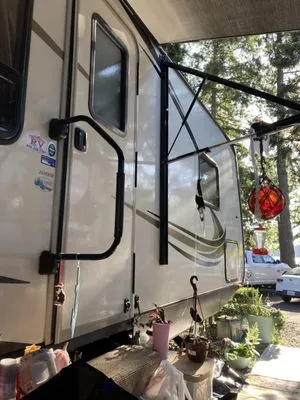
RV Hydronic Heat & More is a trusted mobile RV repair service based in Graham, WA, specializing in Aqua-Hot RV heating systems since 2005. Our licensed, bonded, and insured technicians provide on-site...
Wes Anderson Plumbing provides reliable plumbing services for homes and businesses in Lacey, WA. We understand the unique challenges local plumbing systems face, particularly from the seasonal freeze-...
Jones Underground is a family-owned plumbing business serving Olympia, WA since 2005. We specialize in underground plumbing, water line repair, and replacement, using methods like trenchless technolog...

Chuck Lathrop of The Bath Room is a fourth-generation, family-owned plumbing business serving Olympia and Thurston County for over 50 years. We provide reliable plumbing inspections, installations, re...
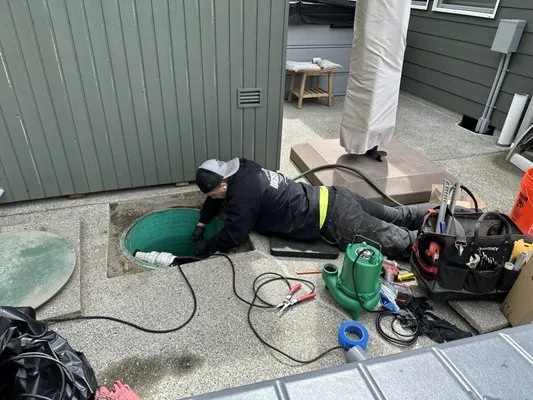
Ridgecreek Plumbing, LLC is a trusted, locally-owned plumbing service founded by Garth Magaro, a professional with decades of hands-on experience. Based in Tumwater, we proudly serve residents and bus...
Elway Plumbing And Heating
Elway Plumbing and Heating is your trusted, local plumbing expert in Aberdeen, Washington. We specialize in tackling the common plumbing challenges faced by Grays Harbor County homeowners, from persis...

Butcher and Sons is a family-owned construction business based in Aberdeen, WA, proudly serving the greater Grays Harbor community. Founded by owner and general contractor Gary Butcher, the company br...
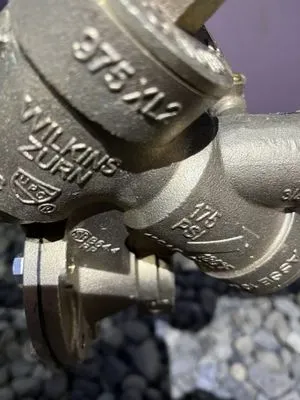
Brenneman's Backflow Testing is a dedicated, family-owned business serving Aberdeen, WA, and the wider Grays Harbor area. Founded and operated by a husband-and-wife team with over seven years of speci...
Grace One Remodeling is a trusted, full-service remodeling and plumbing contractor serving homeowners throughout Tumwater, WA. We specialize in comprehensive home improvement solutions, from bathroom ...
Estimated Plumbing Costs in Cosmopolis, WA
FAQs
Why are my faucets suddenly getting so little water pressure?
Your home likely has original galvanized steel pipes installed around 1968, making them about 58 years old now. In homes across Cosmopolis City Center, that steel is reaching the end of its service life. Mineral deposits and rust have built up inside the pipes for decades, constricting water flow to a fraction of its original volume. A full replacement is often the only long-term solution.
Could the ground near my home be causing main sewer line problems?
It's possible. The low-lying terrain around Cosmopolis means soil is often damp and can shift. This movement puts lateral stress on buried sewer lines, especially at pipe joints. Over years, this stress can cause the line to settle unevenly or separate at a joint, leading to blockages or infiltration from tree roots seeking moisture.
Are there special plumbing considerations for homes outside the city center?
In more rural parts of Cosmopolis, properties often rely on private wells and septic systems. This means water pressure is controlled by a well pump and pressure tank, and all waste is processed on-site. Maintenance for these systems is the homeowner's responsibility, and issues like a failing pump or a full septic tank require specific expertise.
How fast can a plumber get to my house if I have a leak?
From my shop, I head past Cosmopolis City Hall to access US-101, which is the main artery for most calls. The route is straightforward, but traffic and local road conditions can affect timing. You can typically expect a service vehicle at your door within 45 to 60 minutes for an emergency dispatch.
Do I need a permit to replace my water heater, and who handles that?
Yes, most plumbing replacements require a permit from the Cosmopolis Building Department. As a licensed master plumber, I pull all necessary permits and schedule inspections with the city and the Washington State Department of Labor & Industries as part of the job. I handle the red tape and ensure the work meets all current codes so you don't have to.
What's the most important thing to do before a cold snap to avoid frozen pipes?
Our winter lows can hit 34°F, and it's the repeated freeze-thaw cycles that cause problems. The pro-tip for our temperate climate is to disconnect, drain, and store outdoor hoses every fall. A hose left connected traps water in the spigot pipe, which freezes first and can crack the pipe inside your wall, leading to a major leak.
Does our local water affect my water heater's lifespan?
Yes, significantly. Water from the Chehalis River watershed tends to be acidic and corrosive. This water aggressively attacks the inner lining of a standard steel water heater tank and can dissolve the anode rod—its sacrificial protector—much faster than in other regions. Without maintenance, this leads to premature tank failure and leaks.
What causes those small, rusty leaks in my basement pipes?
Those are pinhole leaks, a classic failure point for 1968-era galvanized steel. The pipe wall corrodes from the inside out due to decades of contact with water and minerals. Once the wall is thin enough, pressure creates a tiny hole. This corrosion is often accelerated by the acidic water common to our area, making the problem more frequent.
