Top Emergency Plumbers in Clearview, WA, 98012 | Compare & Call

There are 239 plumbing companies server in Clearview WA
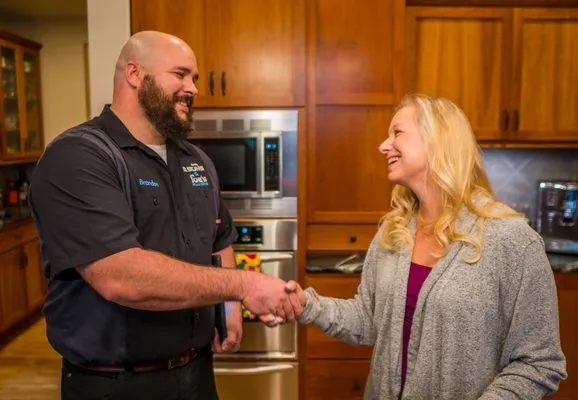
2 Sons Plumbing, Sewer, Electric, Heating & Air
My name is Tyler, and I'm one of the owners of 2 Sons Plumbing, Sewer, Electric, Heating & Air. I've been working in the Seattle plumbing industry for 28 years, learning everything from basic repairs ...

Bee's Plumbing And Heating
Bee's Plumbing and Heating is a locally-owned Seattle plumbing service founded by Ben and Melissa, a husband-and-wife team with deep roots in both the community and the trade. Ben, a former UW athlete...
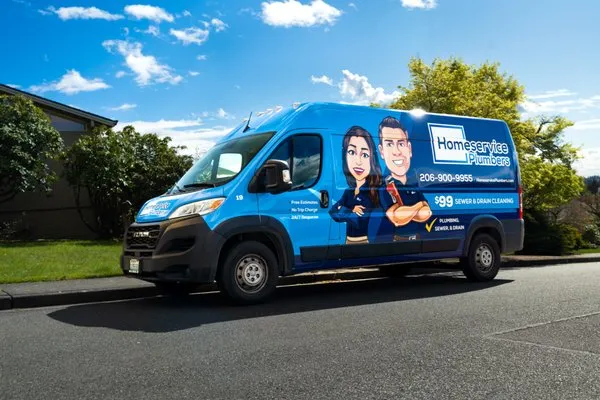
Homeservice Plumbers
Homeservice Plumbers is a licensed and bonded plumbing company serving Bellevue, WA, and surrounding areas. We provide comprehensive residential and commercial plumbing solutions, including emergency ...
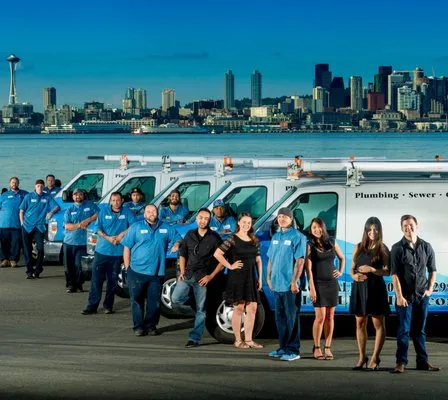
Ally Plumbing & Restoration
Ally Plumbing & Restoration is a family-owned plumbing and restoration company serving the Seattle Metropolitan area. Founded by a plumber who began his career in Hawaii, the business grew from a pass...
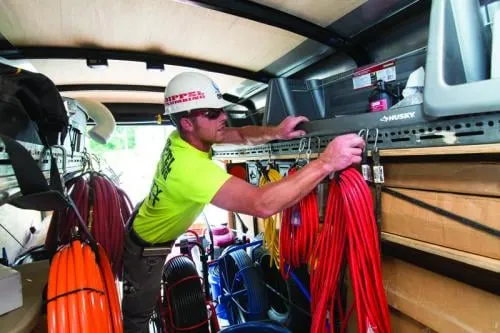
Einstein Plumbing is a trusted Seattle plumbing company serving homeowners and businesses throughout the greater Seattle area. We specialize in comprehensive plumbing solutions, from hot water recircu...

Two Brothers Water Heater Repair
Two Brothers Water Heater Repair is a family-operated plumbing service in Seattle, WA, founded by brothers who learned the trade from their father and gained experience working for various plumbing co...

Salish Plumbing Co. is a veteran, Native-owned plumbing company serving Shoreline, WA, and the surrounding communities. We provide a comprehensive range of services for both homes and businesses, from...
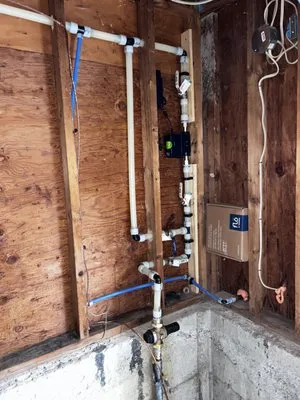
Ridgid Plumbing and Drain Services is owned and operated by Arash M., a licensed plumber with over 20 years of experience serving the Bellevue area. After spending 15 years with a major national plumb...
Seatown Electric Plumbing Heating and Air
Seatown Electric Plumbing Heating and Air is a Mukilteo-based, locally owned and operated home services provider founded by Brandon, who has over 15 years of industry experience. The company is built ...
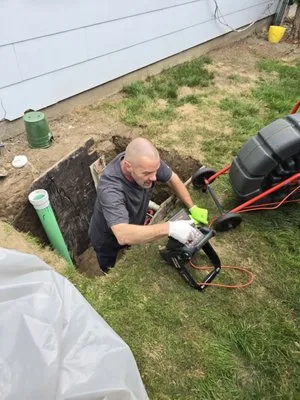
Green Lake Sewer & Drain is a Seattle-based, family-owned plumbing service with deep roots in the community. Founded by a second-generation drain cleaning professional who moved to Seattle in 1991, th...
Estimated Plumbing Costs in Clearview, WA
FAQs
Could the hilly terrain around Lord Hill be affecting my drainage?
The sloping terrain around Lord Hill Regional Park creates drainage challenges for Clearview homes. Downhill properties often experience increased hydrostatic pressure on their main sewer lines, which can lead to joint separation or pipe shifting over time. Uphill homes might see surface water pooling near foundations during heavy rains. Proper grading and regular drain line inspections help mitigate these terrain-related stresses.
Does hard water from my private well damage plumbing fixtures?
Hard water from private wells in Clearview causes significant scale buildup in water heaters and fixtures over time. Mineral deposits accumulate in tank water heaters, reducing efficiency and potentially overheating elements. Fixtures like showerheads and faucet aerators clog with scale, decreasing water pressure. Installing a whole-house water softener or regular descaling treatments can extend the life of your plumbing system.
How quickly can a plumber get to my home in Clearview?
Heading past Lord Hill Regional Park on US-2, I can typically reach most Clearview addresses within 45-60 minutes from dispatch. This route avoids major urban congestion while providing direct access to the area. I keep my truck stocked with common copper repair materials to minimize return trips. Response time may vary slightly during peak traffic hours on US-2.
What permits do I need for plumbing work in Snohomish County?
Most plumbing repairs in Clearview require permits from Snohomish County Planning and Development Services. As a Washington State Department of Labor & Industries licensed master plumber, I handle all permit applications and inspections for my clients. This includes ensuring work meets current code requirements for backflow prevention, venting, and material specifications. You avoid the red tape while knowing the job meets all regulatory standards.
What should I do to prepare my plumbing for spring in Clearview?
Clearview's spring thaw brings temperature swings that stress plumbing systems. A key pro-tip is to insulate exposed pipes in crawl spaces before nighttime temperatures drop to 34°F. Check outdoor faucets for leaks that developed over winter and ensure your pressure relief valve on the water heater functions properly. These simple steps prevent most spring plumbing emergencies in our temperate climate.
My Clearview Estates home was built around 1984 - should I be worried about my plumbing?
Copper pipes installed in 1984 are now 42 years old, which puts them in the typical failure window for this material. Homeowners in Clearview Estates are seeing pinhole leaks develop in their copper lines, especially at joints and bends where stress concentrates. This happens because decades of water flow and mineral interaction gradually thin the pipe walls. Addressing these leaks early prevents water damage and more costly repairs down the line.
Are there special plumbing considerations for rural Clearview homes?
Rural Clearview properties with private wells and septic systems require specific maintenance attention. Well pumps and pressure tanks need regular checks to ensure consistent water pressure without overworking the system. Septic systems should be inspected every 3-5 years to prevent backups that could damage plumbing fixtures. Unlike municipal systems, rural homeowners bear full responsibility for both water supply and waste disposal infrastructure.
Why do my copper pipes keep springing leaks?
Copper plumbing from 1984 often develops pinhole leaks due to a combination of age and our local water conditions. The hard water in Clearview causes scale buildup inside pipes, creating corrosive pockets that eat through the copper over decades. Joint calcification is another common issue where mineral deposits weaken solder connections. These failures typically manifest as small, persistent leaks rather than sudden pipe bursts.
