Top Emergency Plumbers in Chain Lake, WA, 98272 | Compare & Call

There are 239 plumbing companies server in Chain Lake WA
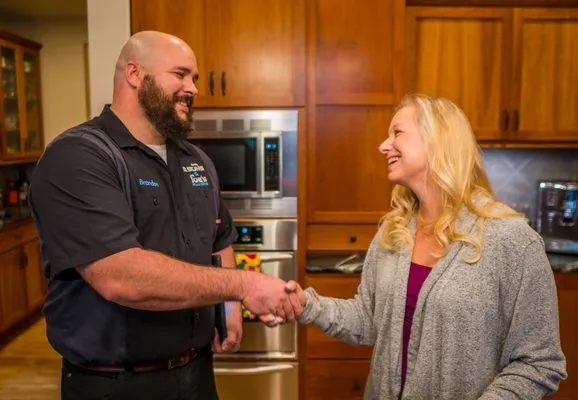
2 Sons Plumbing, Sewer, Electric, Heating & Air
My name is Tyler, and I'm one of the owners of 2 Sons Plumbing, Sewer, Electric, Heating & Air. I've been working in the Seattle plumbing industry for 28 years, learning everything from basic repairs ...

Bee's Plumbing And Heating
Bee's Plumbing and Heating is a locally-owned Seattle plumbing service founded by Ben and Melissa, a husband-and-wife team with deep roots in both the community and the trade. Ben, a former UW athlete...
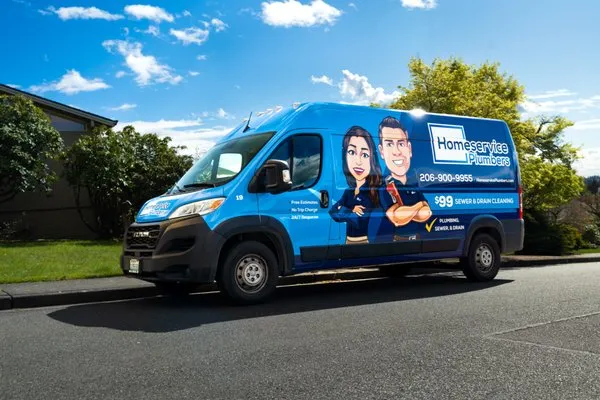
Homeservice Plumbers
Homeservice Plumbers is a licensed and bonded plumbing company serving Bellevue, WA, and surrounding areas. We provide comprehensive residential and commercial plumbing solutions, including emergency ...
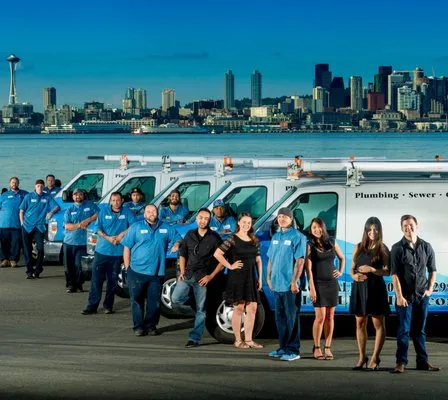
Ally Plumbing & Restoration
Ally Plumbing & Restoration is a family-owned plumbing and restoration company serving the Seattle Metropolitan area. Founded by a plumber who began his career in Hawaii, the business grew from a pass...
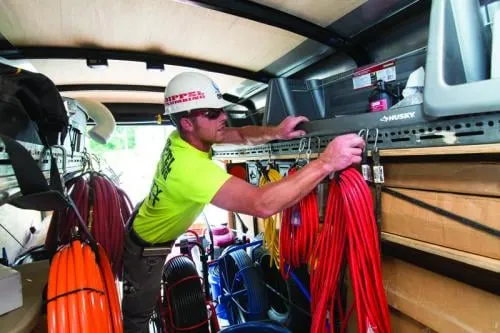
Einstein Plumbing is a trusted Seattle plumbing company serving homeowners and businesses throughout the greater Seattle area. We specialize in comprehensive plumbing solutions, from hot water recircu...
Two Brothers Water Heater Repair
Two Brothers Water Heater Repair is a family-operated plumbing service in Seattle, WA, founded by brothers who learned the trade from their father and gained experience working for various plumbing co...

Salish Plumbing Co. is a veteran, Native-owned plumbing company serving Shoreline, WA, and the surrounding communities. We provide a comprehensive range of services for both homes and businesses, from...
Seatown Electric Plumbing Heating and Air
Seatown Electric Plumbing Heating and Air is a Mukilteo-based, locally owned and operated home services provider founded by Brandon, who has over 15 years of industry experience. The company is built ...
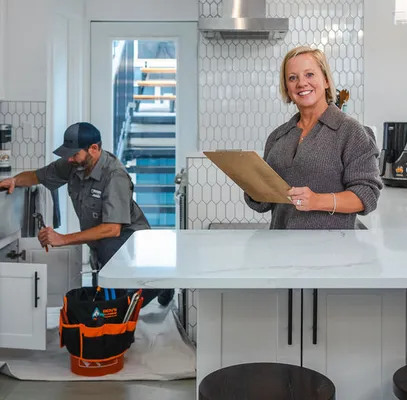
Ben's Plumbing Heating & Air
Ben's Plumbing Heating & Air is a trusted Seattle plumbing and HVAC service provider with over 28 years of experience serving both residential and commercial clients. Founded by Ben Foster, a licensed...
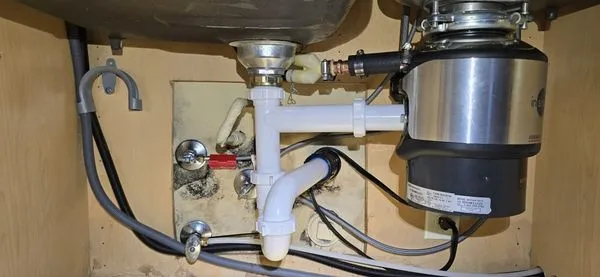
At JV Plumbing, owner and operator Jason brings over 20 years of hands-on plumbing experience to every job in Lake Stevens. His career began with four years at a plumbing supply warehouse, giving him ...
Estimated Plumbing Costs in Chain Lake, WA
Questions and Answers
How quickly can a plumber reach my home in Chain Lake?
From Chain Lake, we head east on US-2 toward your neighborhood. The dispatch route takes 45-60 minutes depending on traffic and specific location within Chain Lake Estates. We monitor US-2 conditions regularly to optimize response times. This routing ensures we can address emergencies during peak periods like spring thaw.
Does our well water damage water heaters and fixtures?
Private wells in this area often produce acidic, corrosive water that accelerates wear on plumbing components. Water heaters experience anode rod depletion within 3-5 years instead of the typical 8-10. Fixtures develop mineral deposits and internal corrosion faster than with treated municipal water. Installing whole-house filtration and maintaining sacrificial anodes extends equipment life significantly.
What causes those tiny leaks in my copper plumbing?
Pinhole leaks develop in 36-year-old copper pipes due to internal corrosion and scale buildup. The copper thins over decades, especially at joints and elbows where water turbulence occurs. In Chain Lake homes built around 1990, this manifests as small, persistent leaks that can suddenly worsen. Regular inspection helps catch these before they cause significant water damage.
What should I do before spring thaw to prevent plumbing problems?
Before temperatures rise above freezing consistently, drain and insulate exterior faucets and exposed pipes. Check crawl space vents remain closed until nighttime lows stay above 34°F. Monitor for foundation cracks that developed over winter, as thawing ground can shift pipes. These steps prevent burst pipes and main line stress common during our temperate spring transitions.
Why are my 1990s copper pipes suddenly failing in Chain Lake Estates?
Copper pipes installed around 1990 are now 36 years old. In Chain Lake Estates, homeowners are seeing pinhole leaks and joint failures as the copper reaches the end of its typical lifespan. The original solder joints and fittings begin to degrade, especially in areas with acidic water. This aging process accelerates with our local water conditions, leading to more frequent repairs.
Who handles permits for plumbing work in Snohomish County?
As a licensed master plumber, I coordinate directly with Snohomish County Planning and Development Services for all required permits. My Washington State Department of Labor & Industries certification covers the necessary inspections and compliance. Homeowners avoid navigating county bureaucracy or state regulations themselves. This ensures work meets current codes without delaying your project.
How does our hilly terrain affect drainage and main water lines?
The sloping landscape around Chain Lake creates uneven pressure on main water lines entering homes. Downhill properties experience higher water pressure that stresses fittings and accelerates leaks. Uphill homes may have drainage issues where water pools against foundations during heavy rain. Proper grading and pressure-regulating valves address these terrain-specific challenges.
Are septic and well systems different to maintain in rural Chain Lake?
Rural properties here require coordinated maintenance between septic and well systems. Well pump failures can overload septic systems with excess water, while septic backups can contaminate well areas. We recommend scheduling well inspections and septic pumping during the same service visit. This approach prevents cross-contamination and identifies issues before they become emergencies.
