Top Emergency Plumbers in Canyon Creek, WA, 98223 | Compare & Call

There are 236 plumbing companies server in Canyon Creek WA
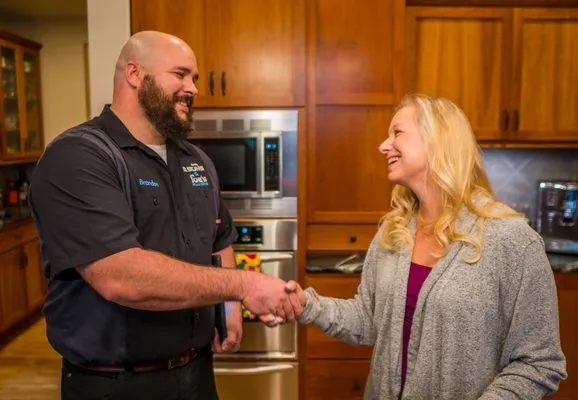
2 Sons Plumbing, Sewer, Electric, Heating & Air
My name is Tyler, and I'm one of the owners of 2 Sons Plumbing, Sewer, Electric, Heating & Air. I've been working in the Seattle plumbing industry for 28 years, learning everything from basic repairs ...

Bee's Plumbing And Heating
Bee's Plumbing and Heating is a locally-owned Seattle plumbing service founded by Ben and Melissa, a husband-and-wife team with deep roots in both the community and the trade. Ben, a former UW athlete...

Homeservice Plumbers
Homeservice Plumbers is a licensed and bonded plumbing company serving Bellevue, WA, and surrounding areas. We provide comprehensive residential and commercial plumbing solutions, including emergency ...
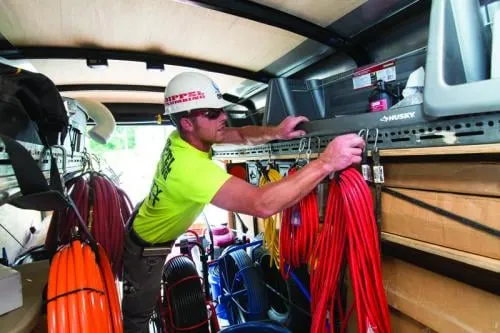
Einstein Plumbing is a trusted Seattle plumbing company serving homeowners and businesses throughout the greater Seattle area. We specialize in comprehensive plumbing solutions, from hot water recircu...

Two Brothers Water Heater Repair
Two Brothers Water Heater Repair is a family-operated plumbing service in Seattle, WA, founded by brothers who learned the trade from their father and gained experience working for various plumbing co...

Seatown Electric Plumbing Heating and Air
Seatown Electric Plumbing Heating and Air is a Mukilteo-based, locally owned and operated home services provider founded by Brandon, who has over 15 years of industry experience. The company is built ...
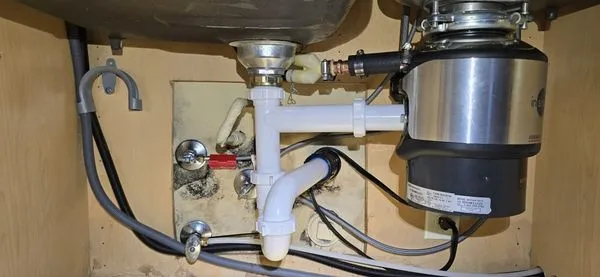
At JV Plumbing, owner and operator Jason brings over 20 years of hands-on plumbing experience to every job in Lake Stevens. His career began with four years at a plumbing supply warehouse, giving him ...
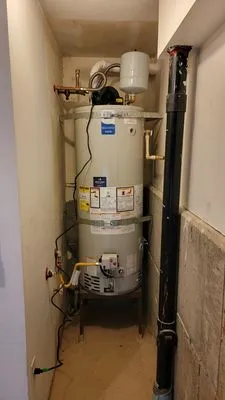
Watertite Plumbing, Heating, and Sewer
Watertite Plumbing, Heating, and Sewer was founded by a plumber who started in the trade young, developing skills and a strong work ethic. With over a decade of hands-on experience gained alongside th...
Green City Plumbing & Sewer LLC has been a trusted fixture in the Seattle community for over 15 years. We provide comprehensive plumbing and sewer services for both homes and businesses, focusing on r...
Lake Hills Rooter has been serving Bellevue homeowners and businesses with reliable plumbing and drain services for over a decade. Our experienced team handles everything from routine maintenance like...
Estimated Plumbing Costs in Canyon Creek, WA
Q&A
How fast can a plumber get to my house if I have a leak?
My typical dispatch route has me heading past the Mount Baker-Snoqualmie National Forest on State Route 522 into Canyon Creek. Under normal conditions, that's a 45 to 60 minute drive from my shop. I factor in that travel window when giving you an arrival time, so you know what to expect. For major emergencies, I can often reroute and adjust that timing to be faster.
Could the hilly land here be causing my drainage issues?
Absolutely. The sloping terrain common around Canyon Creek and the forest puts constant, uneven stress on your main sewer or water line. Over decades, this can cause joints to separate or pipes to sag, creating low spots where debris collects and causes blockages. It also means surface water during heavy rain or snowmelt can follow the path of least resistance, which is often toward your home's foundation, putting extra pressure on your exterior drainage system.
What permits are needed for a water heater replacement or re-pipe?
Any significant plumbing work in Snohomish County requires permits from Planning and Development Services, and the work must be performed by a plumber licensed with the Washington State Department of Labor & Industries, like myself. This ensures the installation meets current code for safety and efficiency, especially important with well and septic systems. I handle pulling the permits, scheduling inspections, and managing that red tape so you don't have to navigate the county process yourself.
Does having a private well affect my water heater or fixtures?
Yes, significantly. Untreated well water in our area is often acidic and corrosive, which attacks the interior of water heaters and the brass components inside faucets and valves. You'll see shortened lifespans for water heater tanks and frequent failure of rubber washers and seals. Installing a whole-house acid neutralizer or at least a sacrificial anode rod designed for soft, acidic water is not just an upgrade; it's a necessary protection for your investment.
Are there special plumbing considerations for a rural home like mine?
The rural setting defines your entire system. Your private well pump and pressure tank are the heart of your water supply, and your septic drain field is the endpoint for all waste. Problems here aren't a simple city utility call. Maintenance like checking well pressure, inspecting septic baffles, and ensuring your system isn't overloaded by garbage disposals is critical. It requires a plumber familiar with both well and septic components, not just household fixtures.
Are homes in Canyon Creek Estates starting to have more plumbing problems now?
Homes built here in 1994 are now 32 years old, which is a critical lifespan point for their original copper plumbing. You might start seeing isolated pinhole leaks in hot water lines first, often behind walls or under slabs, due to decades of water chemistry and temperature cycling. This isn't a sign of poor initial work; it's the natural aging process of the material. Addressing these early leaks can prevent more extensive system failures down the line.
What causes those tiny leaks in copper pipes?
In systems from the mid-90s like yours, pinhole leaks are a common failure. They're often caused by a combination of factors: corrosive water from private wells, microscopic imperfections in the copper tube, and a process called erosion corrosion where water flow wears away protective oxide layers. The leaks typically appear on horizontal pipe runs first, where sediment can settle and accelerate the corrosion process.
What's the most important spring plumbing maintenance for this area?
The key is managing the spring thaw. When overnight lows hover around 34 degrees, it creates a freeze-thaw cycle that can stress exposed pipes and outdoor spigots. Before the peak thaw, disconnect and drain all garden hoses, and ensure your crawl space vents are closed to prevent cold air from circulating under the house. Insulating pipes in unheated garages or crawl spaces is a simple, effective step to avoid a midnight emergency call.
