Top Emergency Plumbers in Burbank, WA, 99323 | Compare & Call

There are 78 plumbing companies server in Burbank WA

Handy Helpers is your trusted local contractor serving Hermiston, Umatilla County, and the surrounding Tri-Cities area. We handle the full spectrum of home projects, from urgent 24-hour roadside assis...

Pendleton Home Services
Pendleton Home Services is a family-owned and operated business with deep roots in the local community. For over three decades, our team has been the trusted choice for Pendleton homeowners, combining...
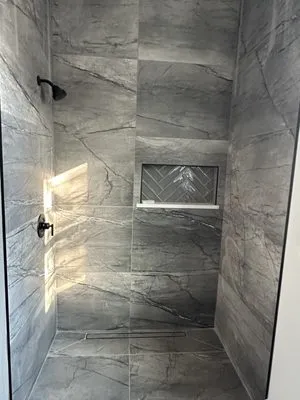
Jeo's Plumbing is a trusted local plumbing service in Yakima, WA, dedicated to solving common household plumbing issues that Yakima homeowners face. We specialize in comprehensive plumbing solutions, ...
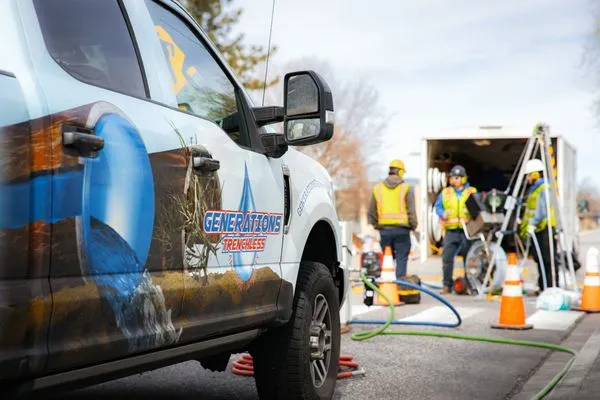
Generations Trenchless and Plumbing
Thomas, the owner of Generations Trenchless and Plumbing, brings over 16 years of plumbing experience, with the last decade focused on trenchless technology, to West Richland and the Tri-Cities. He fo...

Viking Plumbing & Mechanical is your trusted, local plumbing partner serving Yakima, Selah, Ellensburg, and the Tri-Cities area. We are a licensed and insured team dedicated to providing reliable plum...
Campbell & Company
Since 1983, Campbell & Company has been the trusted local choice for HVAC, plumbing, and electrical services in Pasco and the wider Tri-Cities area. Founded right here in a downtown Pasco garage, our ...
CNA Plumbing is a trusted, locally-owned plumbing service proudly serving Benton City and surrounding Washington communities since 2019. Our team of licensed, experienced technicians brings over two d...
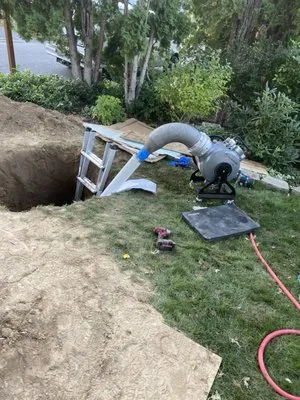
Trenchless technologies inc
Trenchless Technologies Inc. (TTI) is a specialized rooter and sewer company serving central Washington from our base in Yakima. As the first of its kind in the region, we focus on advanced sewer repa...

Columbia Pump Company is a trusted local provider serving Pasco, WA, with comprehensive irrigation and plumbing solutions. We specialize in irrigation design, construction, repair, and maintenance, al...
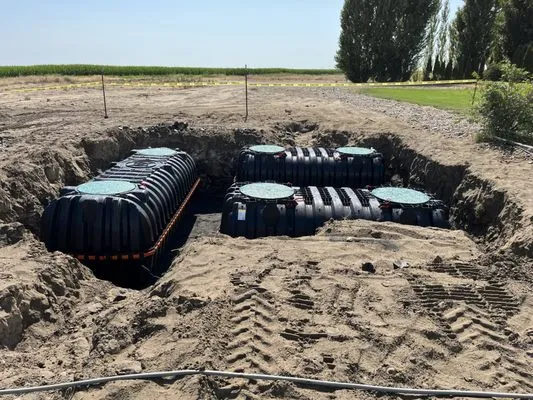
Tri-City Plumbing & Mechanical
Tri-City Plumbing & Mechanical is a trusted, family-owned plumbing company that has been serving the Kennewick, Pasco, and Richland communities since 1983. As the longest-running plumbing company in t...
Estimated Plumbing Costs in Burbank, WA
Questions and Answers
Does the hard water from the Snake River damage my plumbing fixtures?
Yes, the mineral content creates significant scale buildup. Inside a water heater, this layer of calcium and magnesium acts as an insulator, forcing the unit to work harder and drastically shortening its lifespan. On fixtures, scale clogs aerators and showerheads, reducing flow. Over years, this scaling can also restrict water flow within the pipes themselves, increasing pressure on aging joints.
Who pulls the permits for a water heater replacement or repipe in Burbank?
As a licensed, bonded, and insured contractor, I handle all required permits and inspections with Walla Walla County Community Development. My credentials with the Washington State Department of Labor & Industries mean the work meets current code. This covers the red tape for you, from the county's approval for the installation to the state's pressure and safety tests, ensuring everything is documented and legal.
Could my home's low-lying location near the river cause plumbing problems?
The flat, low-lying terrain around Ice Harbor Dam affects drainage and can put constant, subtle stress on your main water line. Settling soil may cause the pipe to sag or the connection at the street to loosen. During heavy rain or rapid snowmelt, saturated ground increases hydrostatic pressure on basement floor drains and sewer lines, making backflow prevention a key consideration here.
Are there special plumbing concerns for a rural home in Walla Walla County?
Rural properties often rely on private wells and septic systems, which require different maintenance. Well pump pressure switches and tanks need periodic service, and hard water accelerates wear. Septic system health is directly tied to what goes down the drain; we frequently address clogs caused by systems that are failing or nearing capacity. Understanding this full cycle is part of servicing homes here.
How quickly can a plumber get to my house in Burbank if I have a burst pipe?
Our typical dispatch route has us heading past Ice Harbor Dam on US-12, which puts most homes in Burbank and Burbank Heights within a 20 to 30 minute response window. We prioritize water emergencies and coordinate an ETA by phone, so you know exactly when to expect us. This route is reliable, avoiding the need to navigate smaller, unmarked roads in the dark.
What's the most important thing I should do for my plumbing before a Burbank winter?
Insulate any exposed pipes in unheated crawl spaces before temperatures hit that 28°F low. More critically for our arid climate, proactively drain and shut off irrigation systems and outdoor hose bibs each fall. The dry air can make homeowners forget about outdoor water lines, but a single hard freeze can split a bib or pipe, causing a major leak come the spring thaw.
Are my home's original copper pipes in Burbank Heights at risk of failing?
Copper plumbing installed around 1980 is now 46 years old. Homeowners here are starting to see a predictable pattern of pinhole leaks, especially in hot water lines. This thin-wall copper from that era, combined with our mineral-heavy water, accelerates corrosion from the inside out. The first signs are often a small, persistent drip behind an appliance or a faint greenish stain on a pipe fitting.
Why are my copper pipes from the 1980s suddenly springing leaks?
Copper pipe from that period is prone to type M or thin-wall installations, which are more vulnerable to aggressive water. The primary technical failure is pinhole leaks caused by a process called formicary corrosion. Microscopic pits form inside the pipe wall, eventually penetrating through. We also find solder joints from that era becoming brittle and failing, especially at the dielectric unions where copper meets steel water heater fittings.
