Top Emergency Plumbers in Big Lake, WA, 98274 | Compare & Call

There are 112 plumbing companies server in Big Lake WA
Endolyne Plumbing Services, founded in 2015 by master plumber Ryan, is a trusted, locally-owned plumbing company serving the greater Seattle area. Ryan brings over 15 years of hands-on experience to e...
Septic Response is a licensed, full-service plumbing and septic system provider based in Kirkland, WA, proudly serving King, Snohomish, Island, and Skagit Counties. We are a locally owned and operated...
Affordable Plumbing Services, Inc. has been a trusted provider in Seattle since 1990, built on a foundation of skilled journeyman expertise and an old-fashioned commitment to customer care. We believe...
Platinum Choice Plumbing
For over a decade, Platinum Choice Plumbing has been a trusted local fixture, serving homes and businesses across Kirkland, the Greater Eastside, Snohomish, and Skagit counties. As a licensed, bonded,...

Five Star Bath Solutions of North Seattle
Jason Heck, owner of Five Star Bath Solutions of North Seattle, brings reliable bathroom remodeling and plumbing services to Mill Creek. His approach is centered on quality, using durable, mold-resist...
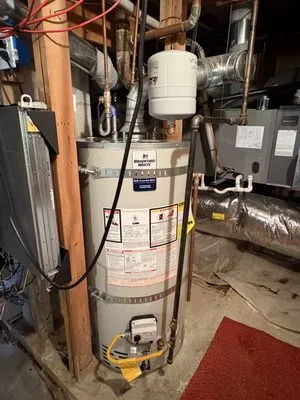
Big Sky Water Heaters
Big Sky Water Heaters is a licensed water heater and furnace service provider based in Everett, WA, with over 25 years of experience serving the local community. They specialize in repair, replacement...
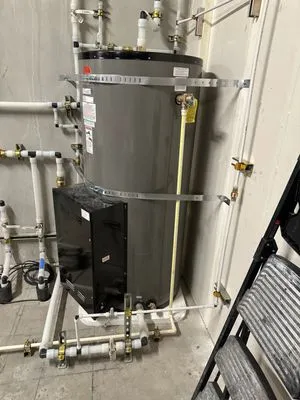
Axiom Plumbing Services provides reliable, professional plumbing solutions for homeowners in Lynnwood, WA, and the surrounding areas. We understand local challenges, such as garbage disposal jams from...
Pinnacle Advance Solutions is your dedicated Marysville plumbing partner for both new construction and home updates. We provide comprehensive plumbing and mechanical services for single-family homes a...
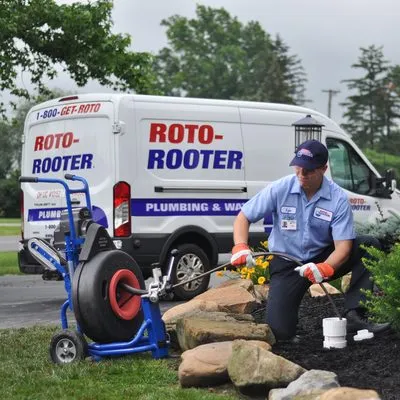
Roto-Rooter Plumbing & Water Cleanup
Roto-Rooter Plumbing & Water Cleanup is Everett's trusted 24/7 emergency plumbing and water damage restoration partner. Our local team is fully staffed and ready to respond at any hour, day or night, ...
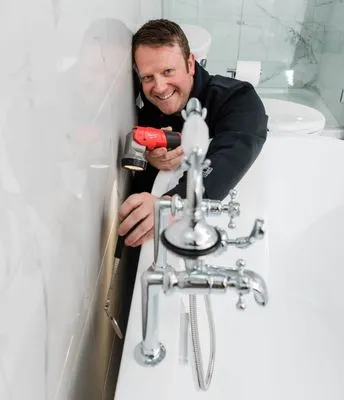
Stollwerck Plumbing is a Mukilteo-based, family-owned company built on decades of local experience and genuine community roots. Founder Erik Stollwerck is a Mariner High School and Western Washington ...
Estimated Plumbing Costs in Big Lake, WA
Q&A
How long do copper pipes last in Big Lake homes?
Copper plumbing installed around 1992 is now 34 years old. Homeowners in Big Lake Community are seeing pinhole leaks and joint calcification as the pipes reach this age. The thin walls of Type M copper used in that era are particularly vulnerable to corrosion from our well water. Regular inspections can catch these issues before they become major water damage problems.
How quickly can a plumber reach my home in Big Lake?
Heading past Big Lake on State Route 9, my typical dispatch route takes 45-60 minutes depending on traffic and your exact location. I keep a stocked service truck ready for Big Lake calls to minimize return trips. Knowing the back roads around the community helps me navigate efficiently when responding to emergencies.
What plumbing concerns are unique to rural Big Lake homes?
Rural properties with private wells and septic systems require specialized maintenance. Well pump pressure switches need annual adjustment to prevent short cycling that wears out pumps. Septic tank baffles should be inspected every 3-5 years to prevent solids from entering the drain field. Unlike municipal systems, rural plumbing lacks backup pressure regulation, making proper component sizing critical.
Why are my 1990s copper pipes failing?
Copper pipes from 1992 are experiencing pinhole leaks due to electrolytic corrosion between the copper and other metals in the system. Without proper dielectric unions, galvanic action accelerates pipe deterioration. Joint calcification from hard water mineral buildup also stresses solder connections, leading to leaks at elbows and tees.
Does hard well water damage my plumbing fixtures?
Hard water from private wells causes scale buildup that reduces water heater efficiency by 20-30% over time. Mineral deposits clog aerators and showerheads, while scale accumulation in water heaters creates hot spots that can damage heating elements. Installing a whole-house water softener protects your plumbing investment and maintains fixture performance.
Who handles plumbing permits and inspections in Skagit County?
I coordinate directly with Skagit County Planning and Development Services for all required permits. As a Washington State Department of Labor and Industries licensed plumber, I ensure installations meet current code requirements. Homeowners don't need to navigate the paperwork—I handle the red tape so repairs and installations proceed smoothly and legally.
How does hilly terrain affect my home's plumbing?
The sloping ground around Big Lake creates drainage challenges that put lateral stress on main water lines. Downhill sections experience higher water pressure that can blow out older fittings, while uphill sections may develop air locks in the system. Properly graded drainage away from your foundation prevents soil erosion that exposes and damages buried pipes.
What spring plumbing issues should I watch for in Big Lake?
Spring thaw brings ground movement that can stress pipe connections, especially when temperatures drop to 34°F overnight. Check exposed pipes in crawl spaces for new drips after thaw cycles. A pro-tip: insulate your main water line entry point before the thaw season begins to prevent freeze-related breaks that often appear as the ground shifts.
