Top Emergency Plumbers in West Windsor, VT, 05089 | Compare & Call

There are 50 plumbing companies server in West Windsor VT
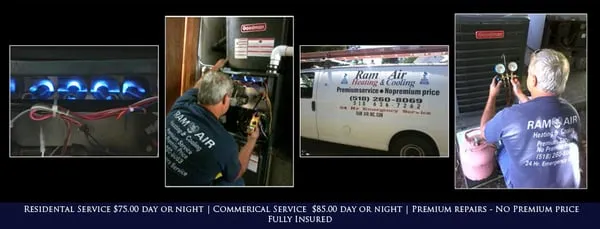
Ram Air Heating & Cooling is a family-owned and operated business with deep roots in Queensbury, NY, spanning three generations. For over thirty years, we've been dedicated to the HVAC and plumbing tr...
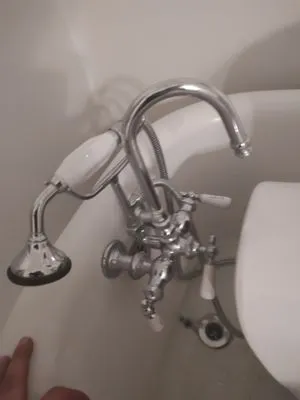
Frosty Sewer and Drain Service Repair is a trusted, locally-owned plumbing company serving South Burlington, VT. We provide comprehensive solutions for everything from routine drain cleaning to comple...
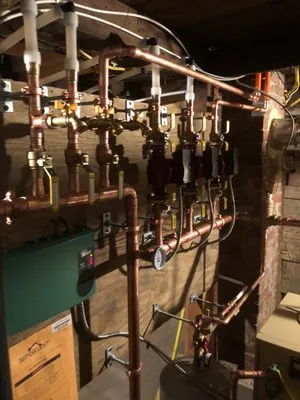
Merrill Mechanical is a family-owned mechanical company serving Bethel, VT, and surrounding areas since 2006. Founded by Justin Merrill, who brings decades of plumbing experience from Boston and Orego...
Dundon Plumbing Heating & Portable Restrooms
Dundon Plumbing Heating & Portable Restrooms has been a trusted family-owned business serving Orwell and Vermont's Champlain Valley for over 90 years. With three generations of experience, we provide ...
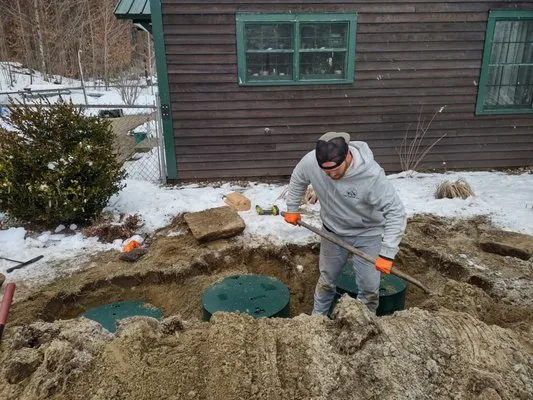
EMS Drains is a family-owned and operated plumbing and septic service provider in West Rutland, VT, dedicated to resolving drain, sewer, and septic system issues for local homeowners. We combine a str...
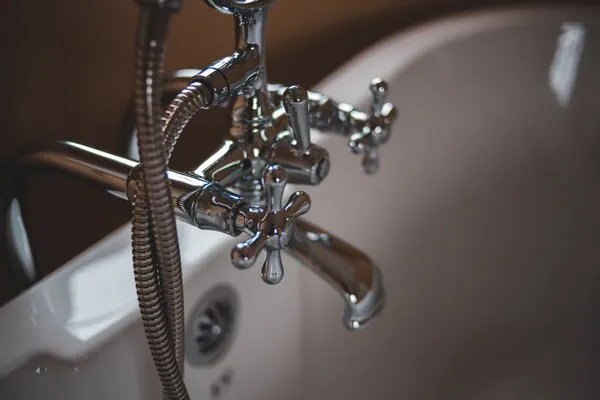
JEK Plumbing Heating and Cooling
For over 35 years, JEK Plumbing Heating and Cooling has been the trusted, local solution for Readsboro's home comfort and plumbing needs. Founded on deep-rooted expertise, we specialize in solving com...
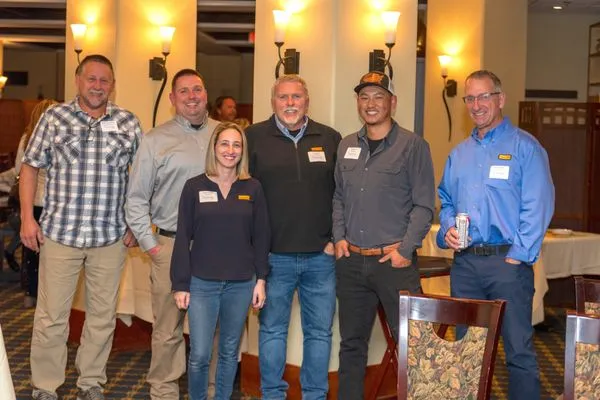
Cota & Cota is a family-owned plumbing and heating business serving Ludlow, VT, and surrounding areas. With over 75 years of experience, we provide reliable solutions for bathtub, faucet, drain, garba...

Priority Building & Property Maintenance
Priority Building & Property Maintenance is your trusted, family-owned partner for property care in Springfield, VT. We focus on a preventative approach to maintenance, helping you identify and addres...
ARC Mechanical Contractors
ARC Mechanical Contractors has been a trusted name in mechanical services since 1947, when Chet Allen first opened the doors as Allen Refrigeration Company. Renamed in 1987, the company has built a 70...
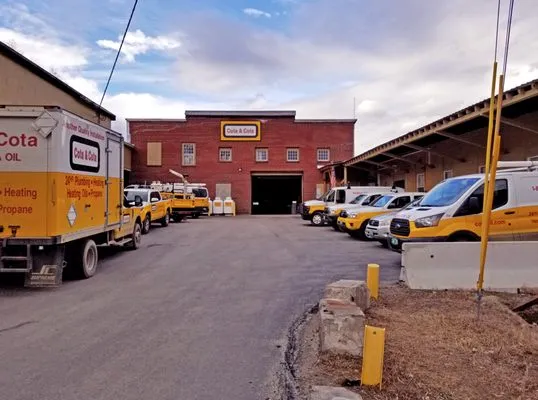
Cota & Cota is a family-owned plumbing and heating business serving Bellows Falls, Vermont, and surrounding areas since 1941. With over 75 years of experience, we provide reliable solutions for bathtu...
Estimated Plumbing Costs in West Windsor, VT
Q&A
Who handles the permits for a water heater replacement or a new bathroom?
I manage the permitting process with the West Windsor Town Clerk Office and the required inspections through the Vermont Department of Public Safety Division of Fire Safety. For a water heater, this often involves a plumbing and an electrical permit, and for gas units, a gas fitting permit. The paperwork ensures the work meets state code for safety and insurance purposes. My license means I handle that red tape so you don't have to navigate it yourself.
What's the most important thing to do with my plumbing before spring thaw?
Insulate any exposed pipes in crawl spaces or along foundation walls. When our lows hit 8°F, those areas get much colder. The real danger comes during the rapid spring thaw. Frozen ground shifting around your main service line can cause it to shear, and thawing ice in exterior walls can reveal cracks that froze solid weeks earlier. A pro-tip is to confirm your main water shut-off valve operates smoothly in the fall, before you need it in a crisis.
Does having a private well affect my water heater and fixtures?
Absolutely. Untreated well water here is often acidic and corrosive. This acidity aggressively attacks the anode rod in your water heater, consuming it years faster than with municipal water. Once that rod is gone, the tank itself corrodes. You'll also see blue-green stains on fixtures from copper corrosion and premature failure of faucet cartridges. Installing a whole-house acid neutralizer is the standard fix to protect your entire plumbing system.
Should I be worried about my plumbing in a house built in the late 70s?
Your copper pipes are now about 48 years old. That's the age where we see a predictable pattern in Brownsville and West Windsor. The thin walls of the original Type M copper begin to fail, often starting with pinhole leaks in horizontal runs. You'll notice a small, persistent damp spot on a ceiling or wall that reappears after drying. This isn't a random event; it's the material reaching its serviceable lifespan under our local water conditions.
Could the hilly land around here cause plumbing problems?
The slope of the land around Mount Ascutney directly stresses plumbing. A main water line running up a steep drive has constant pressure on fittings. More commonly, improper drainage on a hillside lot can saturate the soil around your foundation and septic field. This water seeks the path of least resistance, which is often into a cracked sewer lateral or a basement through a floor drain, leading to chronic dampness or backup issues.
How long does it take for a plumber to get to West Windsor in an emergency?
Heading past Mount Ascutney on VT-44, the dispatch route to most of West Windsor takes 45 to 60 minutes from our shop. That's a realistic travel time accounting for weather and the rural roads off the main highway. We factor this in when you call, giving you a clear window so you can take immediate steps like shutting off your main valve to minimize water damage before we arrive.
Are there different plumbing concerns for a rural home versus one in town?
The rural setting defines your system. You're responsible for the entire water supply line from the well cap and the entire waste line to the septic tank. A leak in the buried supply line between your well and house is your repair, not a town's. Septic system health is critical; overloading it with a leaking toilet or a failed drain field can become a much costlier problem than a simple clog in a municipal system.
Why do my copper pipes keep springing pinhole leaks?
Copper installed in 1978 is susceptible to a specific failure mode. Over decades, corrosive elements in well water can thin the pipe walls from the inside. This creates weak points that eventually perforate, causing those frustrating pinhole leaks. The problem is often systemic; finding one leak means others are likely developing elsewhere in the system, particularly in hot water lines and areas with turbulent flow.
