Top Emergency Plumbers in Washington, VT, 05675 | Compare & Call

There are 90 plumbing companies server in Washington VT
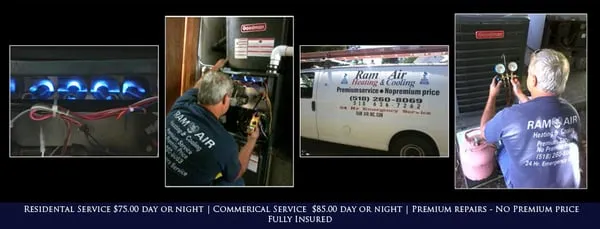
Ram Air Heating & Cooling is a family-owned and operated business with deep roots in Queensbury, NY, spanning three generations. For over thirty years, we've been dedicated to the HVAC and plumbing tr...

The Fix-it Team LLC is your North Granville neighbor for a wide range of home repair and remodeling needs. As a family-run, locally owned business, we take pride in being deeply involved in our commun...
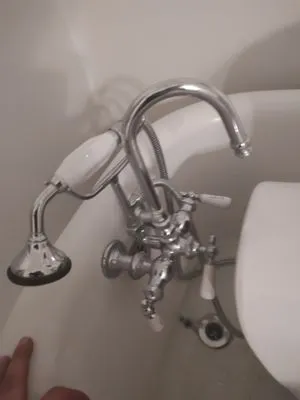
Frosty Sewer and Drain Service Repair is a trusted, locally-owned plumbing company serving South Burlington, VT. We provide comprehensive solutions for everything from routine drain cleaning to comple...
Pipe Dreams Sewer & Drain is a trusted, licensed provider serving Milton, VT, and the surrounding Chittenden County region. We specialize in comprehensive sewer, septic, and drain solutions for both h...
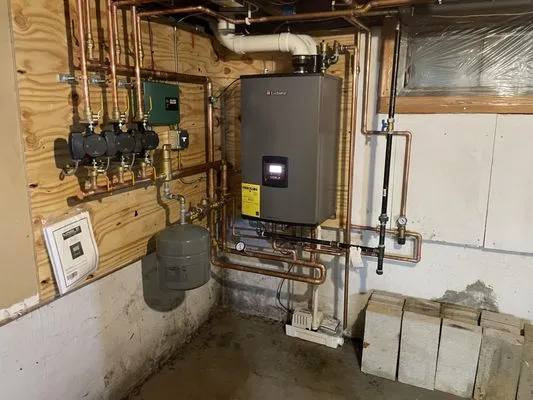
Benoure Plumbing & Heating
Benoure Plumbing, Heating & Air Conditioning is a family-owned mechanical contractor serving South Burlington and the surrounding Vermont community since 1966. With a team of over 70 licensed professi...
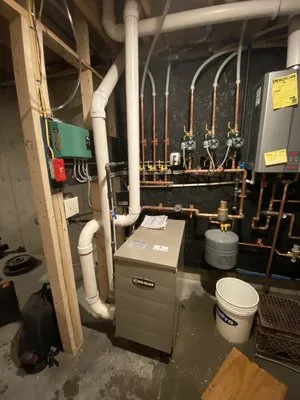
Robinson Mechanical
Robinson Mechanical is a family-owned and operated mechanical services company proudly serving Franklin, Vermont, and the surrounding communities. As a Natural Gas, LP Gas, Fuel Oil, and EPA A/C Certi...
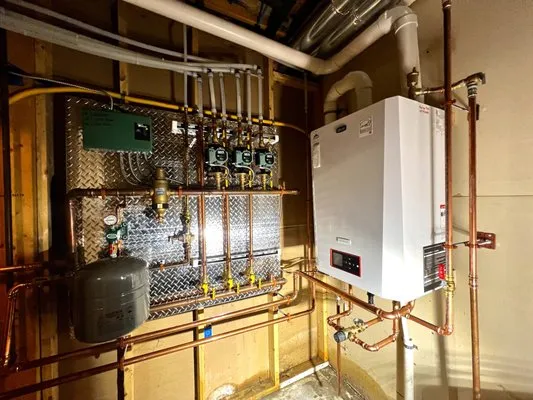
Horizon Plumbing & Heating is your trusted local solution for plumbing and HVAC needs in Williamstown, Vermont. We specialize in diagnosing and fixing common local problems like persistent pipe joint ...
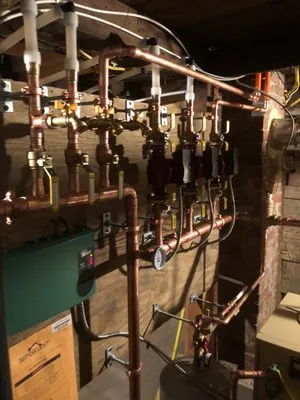
Merrill Mechanical is a family-owned mechanical company serving Bethel, VT, and surrounding areas since 2006. Founded by Justin Merrill, who brings decades of plumbing experience from Boston and Orego...
Red Rock Mechanical LLC
Red Rock Mechanical LLC is a family-owned Vermont company that has been providing reliable plumbing, heating, and air conditioning services to the Burlington, VT and Plattsburgh, NY areas since 2001. ...

Peak Mechanical
Founded in 2014 by Jim Cressey, Dave Lavigne, and Brad Walker, Peak Mechanical brings over 50 years of combined experience to the Waterbury community and the Greater Burlington area. The three owners,...
Estimated Plumbing Costs in Washington, VT
FAQs
What's the most important thing to do for my plumbing before spring in Vermont?
Before the spring thaw hits its peak, disconnect any garden hoses and ensure your exterior hose bibs are fully drained and shut off from inside. A hose left connected traps water in the bib, which can freeze and crack the pipe inside your wall. This simple step prevents a common and costly leak when temperatures still drop to 6°F overnight in early spring.
What permits are needed for a water heater or plumbing repair in Washington, VT?
Most plumbing work, especially involving fuel gas or a new water heater, requires a permit from the Vermont Department of Public Safety Division of Fire Safety. For larger projects, the Town of Washington Zoning Administrator may also be involved for compliance. As a licensed master plumber, I pull these permits and schedule the inspections as part of the job, handling the red tape so you don't have to.
How long does it take to get a plumber out here in Washington?
From our dispatch, it's typically a 45-60 minute drive. The route involves heading past Washington Town Hall on VT-110, which is the main artery through the town. Travel time depends on conditions, especially during mud season or winter weather on these rural roads. We plan for that transit window when you call.
Is my old copper plumbing in Washington, VT at the end of its life?
Copper plumbing installed around 1974 is now over 50 years old. In Washington Village, we commonly see the original Type M copper, which is thinner and more susceptible to wear. At this age, the pipe walls thin out from decades of water flow, making pinhole leaks and joint failures more likely. It's a predictable lifespan issue, not a random failure.
Does hard well water damage my water heater and fixtures?
Yes, hard water causes significant scale buildup. Inside a water heater, that mineral scale acts as an insulator on the heating elements, forcing the unit to work harder and fail sooner. On fixtures and appliance valves, the scale restricts flow and can cause premature washer failure. An annual check of the anode rod in your water heater is a good practice here.
Are there special plumbing considerations for a house on a well and septic system?
Absolutely. The well pump and pressure tank are critical components that municipal systems don't have. A failing pressure switch or a waterlogged tank can cause erratic water pressure or short-cycling that stresses your entire plumbing system. For the septic, what goes down the drain directly impacts the leach field; avoiding chemical drain cleaners and grease is essential for long-term function.
Could the hilly land around my house be causing plumbing problems?
Hilly terrain places constant stress on the main water line running from your well to the house. The slope can cause soil to shift, potentially stressing or cracking the buried line. It also affects drainage around your foundation; improper grading can send water toward the house instead of away, risking basement moisture issues. Evaluating the grade is part of a full-system diagnosis.
Why do I keep getting pinhole leaks in my copper pipes?
Pinhole leaks in 1970s copper are often due to a combination of age and our local water chemistry. The pipes have experienced over five decades of water flow, which can lead to internal erosion and pitting. This is accelerated by the mineral content from private wells. The failure usually starts as a small, persistent drip before becoming a larger issue.
