Top Emergency Plumbers in Wallingford, VT, 05738 | Compare & Call

There are 15 plumbing companies server in Wallingford VT
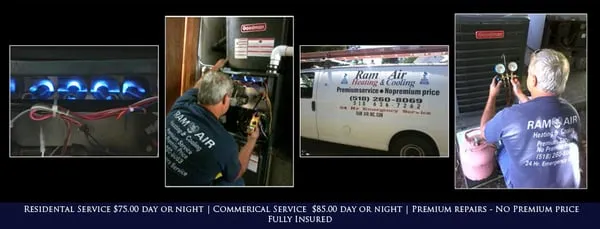
Ram Air Heating & Cooling is a family-owned and operated business with deep roots in Queensbury, NY, spanning three generations. For over thirty years, we've been dedicated to the HVAC and plumbing tr...

The Fix-it Team LLC is your North Granville neighbor for a wide range of home repair and remodeling needs. As a family-run, locally owned business, we take pride in being deeply involved in our commun...
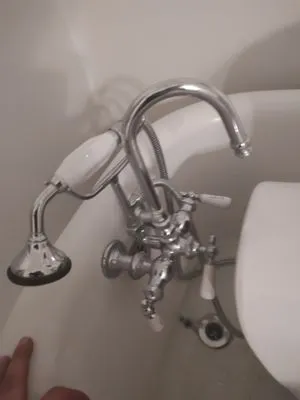
Frosty Sewer and Drain Service Repair is a trusted, locally-owned plumbing company serving South Burlington, VT. We provide comprehensive solutions for everything from routine drain cleaning to comple...
Dundon Plumbing Heating & Portable Restrooms
Dundon Plumbing Heating & Portable Restrooms has been a trusted family-owned business serving Orwell and Vermont's Champlain Valley for over 90 years. With three generations of experience, we provide ...
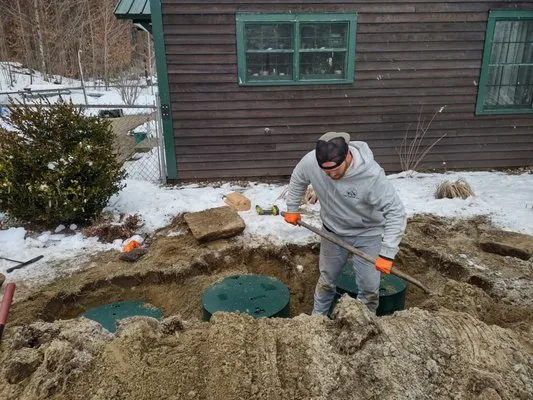
EMS Drains is a family-owned and operated plumbing and septic service provider in West Rutland, VT, dedicated to resolving drain, sewer, and septic system issues for local homeowners. We combine a str...
A-1 Sewer & Drain Cleaning Service has been a trusted provider of sewer and drain solutions in Rutland, Vermont, and surrounding areas since 1984. With over 25 years of dedicated service, we specializ...
JEK Plumbing Heating and Cooling
For over 35 years, JEK Plumbing Heating and Cooling has been the trusted, local solution for Readsboro's home comfort and plumbing needs. Founded on deep-rooted expertise, we specialize in solving com...
Cota & Cota is a family-owned plumbing and heating business serving Ludlow, VT, and surrounding areas. With over 75 years of experience, we provide reliable solutions for bathtub, faucet, drain, garba...
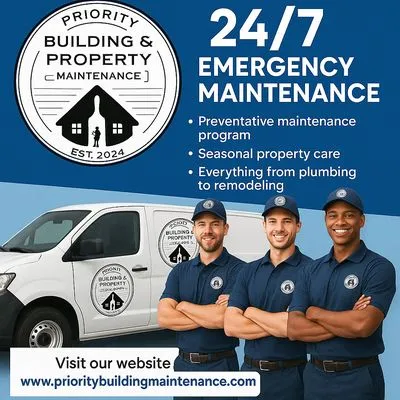
Priority Building & Property Maintenance
Priority Building & Property Maintenance is your trusted, family-owned partner for property care in Springfield, VT. We focus on a preventative approach to maintenance, helping you identify and addres...
Evergreen Property Care is a trusted, full-service handyman and repair company serving Rutland, VT homeowners. We specialize in comprehensive property maintenance, offering everything from appliance i...
Estimated Plumbing Costs in Wallingford, VT
Q&A
Does well water in Wallingford damage plumbing fixtures?
Private wells in this area often draw acidic, corrosive water that accelerates wear on plumbing hardware. Water heaters experience anode rod depletion faster, reducing their lifespan and risking tank corrosion. Fixtures like faucets and valves develop scale buildup or pitting over time. Installing a whole-house neutralizer or using corrosion-resistant materials can mitigate these effects.
Could the hilly terrain near Elfin Lake affect my home's drainage?
Hilly slopes around Elfin Lake can redirect surface water toward foundations, increasing hydrostatic pressure on drainage systems. This stress may cause main line shifts or joint separations over time, leading to backups or leaks. Proper grading and French drains help manage runoff, while regular sewer line inspections check for alignment issues caused by soil movement.
How quickly can a plumber reach my home in Wallingford?
Heading past Elfin Lake on US Route 7, our dispatch route covers most of Wallingford within 45–60 minutes. We factor in rural road conditions and seasonal weather, especially during winter months. This timing allows us to address urgent issues like burst pipes or water heater failures promptly while ensuring safe travel on local routes.
Who handles permits for plumbing work in Wallingford?
I coordinate with the Wallingford Town Clerk for local permits and the Vermont Department of Public Safety Division of Fire Safety for code compliance, especially for water heater or gas line installations. This ensures all work meets state and town regulations without burdening homeowners with paperwork. Handling the red tape allows you to focus on your home while maintaining legal and safety standards.
What should I do to prepare my plumbing for Wallingford winters?
With lows around 8°F and heavy snowmelt during spring thaw, insulate exposed pipes in crawl spaces or along exterior walls. Drain outdoor spigots before freezing temperatures arrive, and keep cabinet doors open to allow warm air circulation around interior pipes. Monitor for leaks as thaw cycles shift ground and stress connections. These steps help prevent frozen pipe bursts common in Snow Belt climates.
Are there special plumbing considerations for rural Wallingford homes?
Rural properties here typically combine private wells and septic systems, requiring balanced water usage to avoid overloading the drain field. Well pumps need periodic maintenance to handle corrosive water, and septic tanks should be pumped every 3–5 years. Unlike municipal setups, pressure regulation and water quality management fall entirely on the homeowner, making proactive care essential.
Why do my older pipes keep springing small leaks?
Galvanized steel pipes from 1938 often develop pinhole leaks due to internal corrosion and joint calcification. As the zinc coating wears away over decades, exposed steel rusts, creating weak spots that eventually perforate. Joints accumulate mineral deposits that stress connections, leading to seepage. These failures are common in homes with original plumbing and typically require section replacement rather than patch repairs.
My Wallingford Village home was built around 1938—should I be worried about the plumbing?
Galvanized steel pipes installed in 1938 are now 88 years old, well beyond their 50-year expected lifespan. Homeowners in Wallingford Village often notice reduced water pressure, rust-colored water, or frequent leaks as the interior walls corrode and narrow. This buildup restricts flow and weakens pipe integrity, making complete failures more likely. Proactive inspection can identify sections needing replacement before a major leak occurs.
