Top Emergency Plumbers in Tunbridge, VT, 05077 | Compare & Call

There are 24 plumbing companies server in Tunbridge VT
Ram Air Heating & Cooling is a family-owned and operated business with deep roots in Queensbury, NY, spanning three generations. For over thirty years, we've been dedicated to the HVAC and plumbing tr...
Frosty Sewer and Drain Service Repair is a trusted, locally-owned plumbing company serving South Burlington, VT. We provide comprehensive solutions for everything from routine drain cleaning to comple...
Pipe Dreams Sewer & Drain is a trusted, licensed provider serving Milton, VT, and the surrounding Chittenden County region. We specialize in comprehensive sewer, septic, and drain solutions for both h...
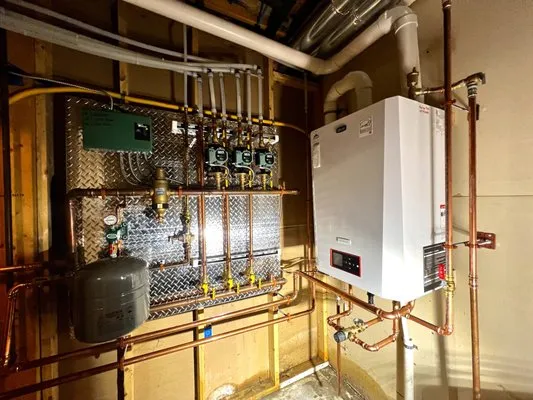
Horizon Plumbing & Heating is your trusted local solution for plumbing and HVAC needs in Williamstown, Vermont. We specialize in diagnosing and fixing common local problems like persistent pipe joint ...
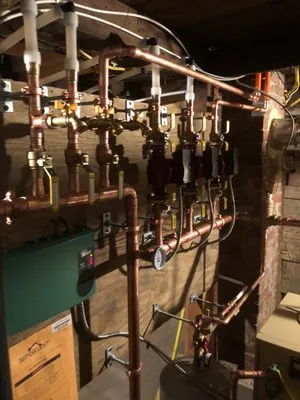
Merrill Mechanical is a family-owned mechanical company serving Bethel, VT, and surrounding areas since 2006. Founded by Justin Merrill, who brings decades of plumbing experience from Boston and Orego...

B & H Mechanical is a trusted, family-owned heating, cooling, and plumbing company serving Milton, VT, and the surrounding communities. As local experts, we understand the specific challenges homeowne...
BKR Plumbing and Heating
BKR Plumbing and Heating is your locally owned and trusted plumbing partner in Duxbury, VT. With over 25 years of experience, we are a fully licensed and insured team dedicated to providing a better p...
Dundon Plumbing Heating & Portable Restrooms
Dundon Plumbing Heating & Portable Restrooms has been a trusted family-owned business serving Orwell and Vermont's Champlain Valley for over 90 years. With three generations of experience, we provide ...
Hartigan in Montpelier, VT is a family-owned wastewater management company that has been serving the community since 1957. Specializing in septic services, plumbing inspections, and portable toilet re...
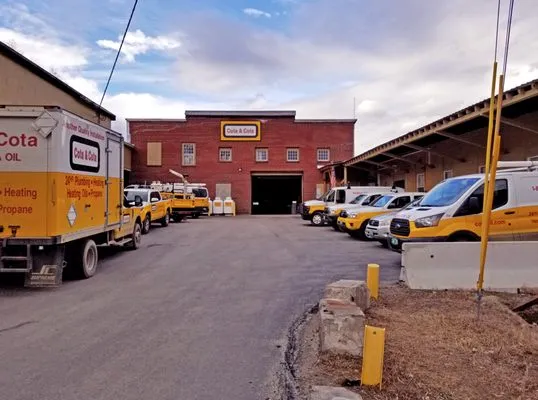
For over 75 years, Cota & Cota has been the trusted family name for plumbing and heating in Bellows Falls and beyond. Founded in 1941 by Ken and Helen Cota, this Vermont-owned business has grown from ...
Estimated Plumbing Costs in Tunbridge, VT
Frequently Asked Questions
What's one plumbing task I should do before spring thaw in Vermont?
Disconnect and drain your garden hose bibs before the first hard freeze, ideally by late fall. A pro-tip for our temperate climate is to also check the insulation on any exposed pipes in crawlspaces during early March, as nightly lows near 6°F and daytime thaws create freeze-thaw cycles that stress fittings. This simple step prevents split spigots and leaks inside wall cavities.
What's the most common plumbing repair for a 1970s-era home here?
For copper systems from 1971, joint calcification and pinhole leaks are frequent. Hard, mineral-rich well water accelerates scale buildup inside pipes, which can restrict flow and create corrosive pockets. We often find the first leaks at solder joints or where pipes contact dissimilar metals without a proper dielectric union, a common installation oversight from that era.
How long will it take a plumber to reach my home from Tunbridge Village?
Heading past Tunbridge World's Fair Grounds on Vermont Route 110, a service truck can cover most of the town's backroads in 45 to 60 minutes. That dispatch time accounts for the rural road network and hilly terrain, which slows travel compared to a grid layout. We factor this in when giving arrival windows, so you have a realistic expectation.
Could the hilly land around the Fair Grounds cause drainage issues for my home's pipes?
Hilly terrain places constant static pressure on main sewer lines or septic field piping, especially on slopes. Gravity forces waste downhill quickly, which can scour pipe walls over decades. For homes built on a grade, we often find the lowest section of the main drain line has experienced more wear or root intrusion due to soil shifting. Proper bedding and periodic camera inspections are advised.
How does living in a rural area like Tunbridge change my plumbing maintenance?
Rural plumbing revolves around your private well and septic system, not municipal water and sewer. That means water pressure is controlled by your well pump and pressure tank, and all waste is processed on-site. Maintenance shifts to inspecting well equipment, monitoring septic tank levels, and ensuring the leach field is not compromised by driveway runoff or improper landscaping.
What permits are needed for a water heater replacement in Tunbridge, and who handles them?
The Town of Tunbridge Zoning Office requires a plumbing permit for any water heater replacement, as it involves potable water and pressure systems. As a master plumber licensed by the Vermont Office of Professional Regulation, I pull all necessary permits and schedule the required inspections. This ensures the work meets state code, and you don't have to navigate the red tape yourself.
Does having a private well in Tunbridge mean my water heater will fail sooner?
Yes, private well water here is typically hard, which directly impacts water heater lifespan. Scale buildup insulates the heating elements, forcing them to work harder and overheat. In tank-style heaters, sediment accumulation also corrodes the tank bottom. An annual flush and a properly sized whole-house water softener are the best defenses against premature failure.
Why are so many homes in Tunbridge Village having plumbing problems now?
The copper plumbing in Tunbridge homes installed around 1971 is now 55 years old. Copper pipe has a typical service life of 50 to 70 years, so many systems are in a failure window. Homeowners are seeing an uptick in pinhole leaks, especially on hot water lines where thermal cycling has thinned the pipe walls. It's a predictable age-related issue for this specific build period in the area.
