Top Emergency Plumbers in Springfield, VT, 05150 | Compare & Call

There are 25 plumbing companies server in Springfield VT
Dundon Plumbing Heating & Portable Restrooms
Dundon Plumbing Heating & Portable Restrooms has been a trusted family-owned business serving Orwell and Vermont's Champlain Valley for over 90 years. With three generations of experience, we provide ...
JEK Plumbing Heating and Cooling
For over 35 years, JEK Plumbing Heating and Cooling has been the trusted, local solution for Readsboro's home comfort and plumbing needs. Founded on deep-rooted expertise, we specialize in solving com...
Cota & Cota is a family-owned plumbing and heating business serving Ludlow, VT, and surrounding areas. With over 75 years of experience, we provide reliable solutions for bathtub, faucet, drain, garba...
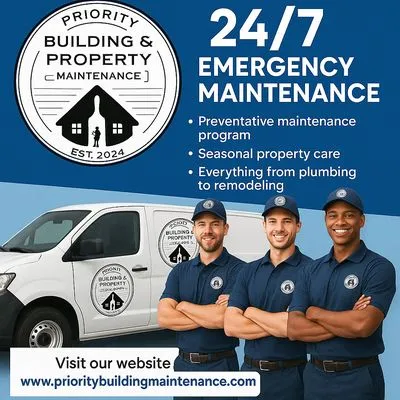
Priority Building & Property Maintenance
Priority Building & Property Maintenance is your trusted, family-owned partner for property care in Springfield, VT. We focus on a preventative approach to maintenance, helping you identify and addres...
ARC Mechanical Contractors
ARC Mechanical Contractors has been a trusted name in mechanical services since 1947, when Chet Allen first opened the doors as Allen Refrigeration Company. Renamed in 1987, the company has built a 70...
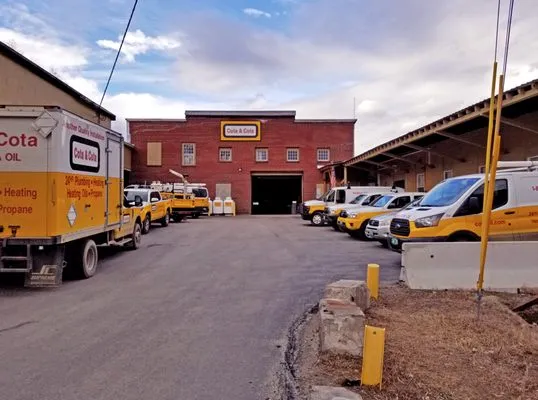
Cota & Cota is a family-owned plumbing and heating business serving Bellows Falls, Vermont, and surrounding areas since 1941. With over 75 years of experience, we provide reliable solutions for bathtu...
Cota & Cota is a family-owned plumbing and heating service based in Bellows Falls, Vermont, with over 75 years of experience serving the local community. Specializing in a comprehensive range of servi...
For over 75 years, Cota & Cota has been the trusted family name for plumbing and heating in Bellows Falls and beyond. Founded in 1941 by Ken and Helen Cota, this Vermont-owned business has grown from ...

Legacy Plumbing and Heating
Legacy Plumbing and Heating is a trusted, full-service provider for homes and businesses in Springfield, VT. We specialize in comprehensive plumbing, heating, and cooling solutions, from emergency rep...
Cota & Cota
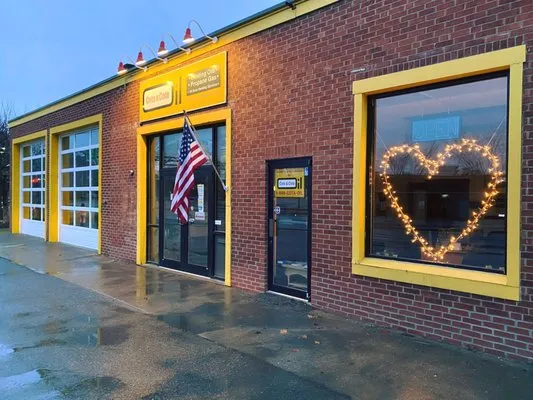
Cota & Cota is a trusted Vermont family business serving White River Junction and surrounding communities for over 80 years. Founded in 1941 by Ken and Helen Cota, the company has grown from a small g...
Estimated Plumbing Costs in Springfield, VT
FAQs
As a rural Springfield homeowner, what plumbing systems need special attention?
Well pumps require annual pressure tank checks and occasional screen cleaning from sediment. Septic systems need inspection every 3-5 years, especially with hard water minerals affecting bacterial action. Pressure regulators often fail first in rural setups where municipal pressure variations occur. Water softeners become essential for protecting both well equipment and household plumbing from scale damage.
How quickly can a plumber reach my Springfield home in an emergency?
Heading past Comtu Falls on I-91 gets me to most Springfield addresses within 45-60 minutes. That dispatch route follows the river valley northbound, avoiding backroad delays during peak traffic. I keep a truck stocked for common copper repairs to minimize return trips. Emergency calls get routed immediately when I'm already servicing the Comtu Falls area.
Could Springfield's hilly terrain affect my main water line?
Hilly slopes around Comtu Falls create drainage patterns that stress main lines. Downhill water pressure increases load on pipe joints, while uphill sections experience vacuum conditions during high demand. Soil erosion on slopes exposes buried lines to freeze-thaw cycles. Proper grading around your foundation prevents water from following natural drainage toward your service entrance.
Does Springfield's hard water damage water heaters?
Black River water carries dissolved minerals that form scale buildup inside water heater tanks. This insulating layer reduces heating efficiency and causes elements to overwork. Scale accumulation also traps sediment that accelerates tank corrosion. Fixtures show similar damage with reduced flow from mineral deposits clogging aerators and valve seats.
Who handles permits for plumbing work in Springfield?
I coordinate directly with Springfield Planning and Zoning Department for all required permits. My Vermont Department of Public Safety, Division of Fire Safety credentials cover backflow prevention and gas line installations. This ensures work meets current code without homeowners navigating bureaucratic processes. Proper documentation gets filed before any materials arrive on site.
What should I do before spring thaw to prevent plumbing problems?
Before temperatures rise above freezing, disconnect garden hoses and drain exterior faucets. Insulate pipes in unheated crawl spaces, especially on north-facing walls where 8°F lows persist. Check for foundation cracks where melting snow might seep in. Spring thaw brings ground shifts that stress older copper lines at entry points.
My Downtown Springfield home was built around 1991 - should I be worried about my plumbing?
Copper pipes installed in 1991 are now 35 years old. At this age, homeowners in Downtown Springfield often notice small leaks appearing at joints or fittings. The copper has experienced decades of thermal expansion and water pressure cycles. Mineral deposits from our hard water accelerate wear at connection points. Many clients call when they see greenish corrosion stains on pipe surfaces or damp spots in basements.
Why do my copper pipes keep springing tiny leaks?
Thirty-five-year-old copper systems often develop pinhole leaks due to electrolytic corrosion. The mineral content in Black River water creates galvanic reactions where dissimilar metals meet. Joint calcification occurs where hard water deposits weaken solder connections over decades. These failures typically manifest first at elbows and tees where water turbulence accelerates wear.
