Top Emergency Plumbers in Shelburne, VT, 05482 | Compare & Call

There are 33 plumbing companies server in Shelburne VT
Jax Snow Electric and Construction is a Peru-based contractor serving the North Country with comprehensive electrical, plumbing, and construction services. Our team of certified master electricians an...
Drain Pros in Burlington, VT is a family-owned plumbing business with deep roots in the trade, carrying forward the expertise passed down through generations. We provide reliable plumbing services for...
Frosty Sewer and Drain Service Repair is a trusted, locally-owned plumbing company serving South Burlington, VT. We provide comprehensive solutions for everything from routine drain cleaning to comple...
Pipe Dreams Sewer & Drain is a trusted, licensed provider serving Milton, VT, and the surrounding Chittenden County region. We specialize in comprehensive sewer, septic, and drain solutions for both h...
Valor Plumbing is a Bristol-based plumbing service founded by a local professional with over a decade of experience. After serving as a mechanic in the Army, including deployment in Iraq, the owner la...
Plumber for Less provides reliable plumbing services to South Burlington homes and businesses. With over 35 years of experience as a Master Plumber, our focus is on delivering honest, professional wor...
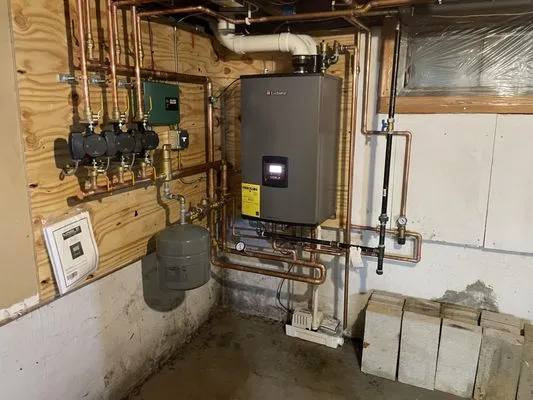
Benoure Plumbing & Heating
Benoure Plumbing, Heating & Air Conditioning is a family-owned mechanical contractor serving South Burlington and the surrounding Vermont community since 1966. With a team of over 70 licensed professi...

Williamson Plumbing & Heating
Williamson Plumbing & Heating has been a trusted local provider in Underhill, Vermont, since 1984, when Dennis and Resa Williamson founded the business. We specialize in comprehensive residential plum...
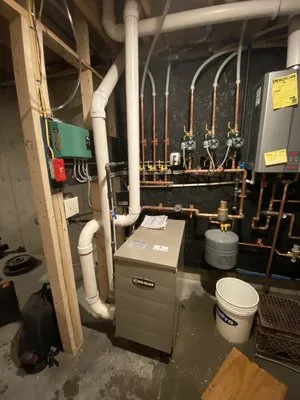
Robinson Mechanical
Robinson Mechanical is a family-owned and operated mechanical services company proudly serving Franklin, Vermont, and the surrounding communities. As a Natural Gas, LP Gas, Fuel Oil, and EPA A/C Certi...
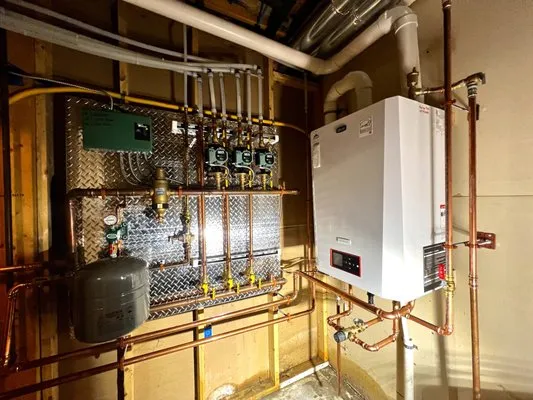
Horizon Plumbing & Heating is your trusted local solution for plumbing and HVAC needs in Williamstown, Vermont. We specialize in diagnosing and fixing common local problems like persistent pipe joint ...
Estimated Plumbing Costs in Shelburne, VT
Frequently Asked Questions
Could the hilly land near the museum affect my sewer line?
Yes, the sloping terrain common around Shelburne can stress sewer mains and laterals. Gravity pulls waste downhill, but soil shifting on a slope may cause pipes to settle unevenly or develop belly dips where debris collects. For homes at the base of a hill, surface runoff during heavy rain can also increase hydraulic load on the system. Proper grading and periodic camera inspections help manage these terrain-specific issues.
Does Lake Champlain water damage my appliances?
The hard water from Lake Champlain leads to significant scale buildup inside pipes and appliances. Your water heater's heating elements and tank interior are particularly vulnerable; scale acts as an insulator, forcing the unit to work harder and fail sooner. Fixtures like showerheads and faucet aerators will also clog with mineral deposits much faster than in soft water areas, reducing flow and efficiency.
As a suburban homeowner, what main line issues should I watch for?
Your lateral sewer line from the house to the municipal main is your responsibility. In Shelburne's suburban setting, the primary concerns are tree root intrusion at joints and gradual scale buildup from hard water. Municipal water pressure is generally stable, but it's wise to know your home's specific pressure reading; consistent high pressure can prematurely wear out valves and connections. Keeping a cleanout accessible saves time and money during any service.
How fast can a plumber get to my house in an emergency?
Heading past Shelburne Museum on US-7, a local service truck can typically reach most addresses within 20 to 30 minutes. US-7 provides a direct artery through the town, allowing for quick access to both the village center and more rural roads. Knowing the main routes and side streets is part of the job for a plumber working here regularly.
What's the most important seasonal plumbing tip for Shelburne?
Disconnect and drain your garden hoses before the first hard freeze, typically around late October. A trapped hose can cause ice to back up into your interior supply lines, leading to burst pipes. Even with our temperate climate, overnight lows hitting 9°F and the spring thaw's pressure shifts are the two main annual threats. A simple five-minute task in the fall prevents the most common winter emergency call.
My home was built around 1982. Should I be worried about my plumbing?
With copper pipes now 44 years old, you're entering a common failure window for this material. Homeowners in Shelburne Village often start to see pinhole leaks or discolored water as the copper walls thin from decades of internal corrosion. It's not an immediate crisis, but a proactive inspection can identify weak sections before they fail. This is a predictable maintenance phase for many homes from that era.
Do I need a permit to replace my water heater in Shelburne?
Yes, the Town of Shelburne Planning and Zoning Department requires a permit for water heater replacement to ensure code compliance, especially for proper venting and seismic strapping. As a master plumber licensed by the Vermont Office of Professional Regulation, I handle pulling that permit and scheduling the required inspection. My license means the paperwork and regulatory details are managed for you, meeting all local and state standards.
Why are my copper pipes suddenly springing leaks?
Copper installed in 1982 is susceptible to pinhole leaks caused by a combination of age and local water chemistry. Over 44 years, microscopic pits can form inside the pipe wall, eventually penetrating through. We also see solder joints from that period failing due to calcification and thermal stress. These aren't random events; they're the predictable aging of a specific material in our environment.
