Top Emergency Plumbers in Ryegate, VT, 05042 | Compare & Call

There are 14 plumbing companies server in Ryegate VT
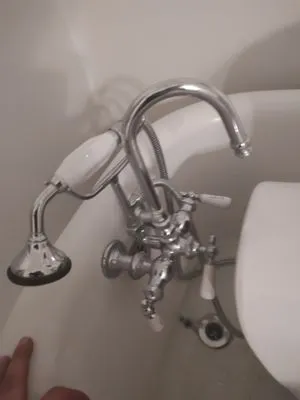
Frosty Sewer and Drain Service Repair is a trusted, locally-owned plumbing company serving South Burlington, VT. We provide comprehensive solutions for everything from routine drain cleaning to comple...
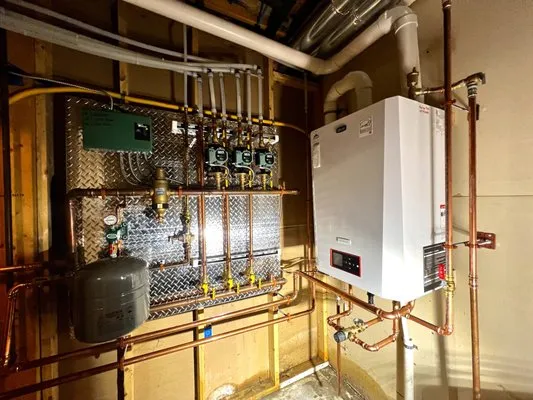
Horizon Plumbing & Heating is your trusted local solution for plumbing and HVAC needs in Williamstown, Vermont. We specialize in diagnosing and fixing common local problems like persistent pipe joint ...
Dundon Plumbing Heating & Portable Restrooms
Dundon Plumbing Heating & Portable Restrooms has been a trusted family-owned business serving Orwell and Vermont's Champlain Valley for over 90 years. With three generations of experience, we provide ...
Hartigan in Montpelier, VT is a family-owned wastewater management company that has been serving the community since 1957. Specializing in septic services, plumbing inspections, and portable toilet re...

Mangan Plumbing Services is your local, affordable plumbing solution in Cabot, VT. Founded and operated by Justin Mangan, our business is built on a simple promise: delivering reliable plumbing work a...
Atlas Plumbing and Heating
Atlas Plumbing and Heating was founded in Marshfield by a master plumber with over a decade of hands-on experience, beginning his trade at just 16 years old. We bring this deep-rooted, practical knowl...

Powers Plumbing & Heating is a trusted local plumbing service in Groton, VT, dedicated to helping homeowners maintain and repair their plumbing systems. Many homes in the area face common issues like ...
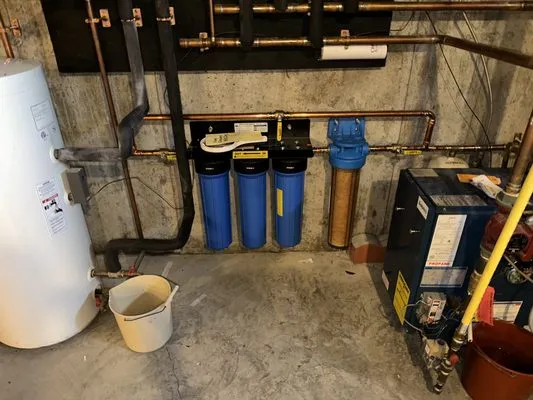
Bubs Plumbing and Heating
Bubs Plumbing and Heating is a locally owned and operated plumbing service proudly serving Canaan, NH, and the surrounding communities in New Hampshire and Massachusetts. We are a fully licensed and i...
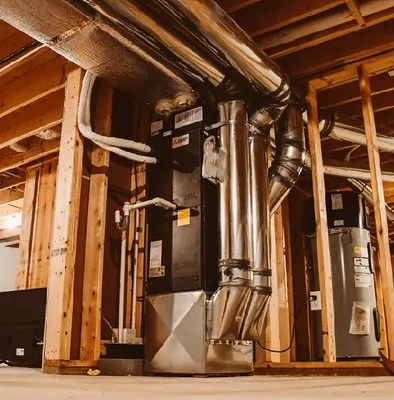
New Hampshire Ductless
New Hampshire Ductless brings over 25 years of heating and cooling expertise to Holderness, NH. The owner, a sitting member of the American Standard Dealer Advisory Board and one of New England's most...
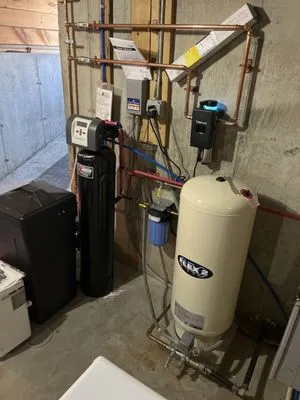
Beck's Plumbing has been serving Haverhill, NH and surrounding areas for over a decade, providing reliable and affordable plumbing solutions. We handle everything from routine repairs to complete inst...
Estimated Plumbing Costs in Ryegate, VT
FAQs
How quickly can a plumber reach my property in Ryegate?
Heading past Connecticut River on US-302, our dispatch route covers most of the town within 60-90 minutes. We factor in hilly terrain and seasonal road conditions when estimating arrival. For emergencies during spring thaw or extreme cold, we prioritize routes with known access challenges.
Does well water damage my plumbing fixtures faster?
Private wells in this area often draw acidic, corrosive water that accelerates wear on water heaters and fixtures. The acidity eats through anode rods in water heaters within 3-5 years instead of the typical 8-10. Fixtures develop blue-green staining from copper corrosion, and rubber washers degrade faster, leading to drips at faucets and valves.
Who handles permits for plumbing work in Ryegate?
Town of Ryegate Zoning and Planning requires permits for most plumbing modifications, especially those affecting wells or septic systems. As a master plumber licensed through the Vermont Office of Professional Regulation, I handle the red tape so you don't have to. This includes submitting plans, scheduling inspections, and ensuring work meets both town and state codes. Proper documentation protects your property value and ensures systems function correctly long-term.
How old are the pipes in my Ryegate home and what should I expect?
Galvanized steel pipes installed around 1954 are now 72 years old. Homeowners in Ryegate Corner are seeing significant rust buildup and reduced water pressure as the interior diameter shrinks. At this age, entire sections can fail without warning, not just isolated leaks. Expect to replace whole runs rather than patch individual spots.
How does rural living affect my septic and well systems?
Rural properties with private wells and septic systems require different maintenance than municipal services. Well pumps need regular pressure tank checks and sediment filter changes. Septic systems should be pumped every 3-5 years depending on household size, not just when problems appear. Unlike town water, there's no backup supply if your well fails, so having a plumber who understands both systems is essential.
What should I do before spring thaw to prevent plumbing problems?
Before temperatures rise above freezing consistently, drain and disconnect outdoor hoses to prevent backflow into your interior pipes. Check crawl spaces and basements for frozen pipe sections that might thaw and leak. Insulate pipes in unheated areas, and clear drainage paths around your foundation to handle meltwater runoff. A pro-tip: mark your main shutoff valve clearly so everyone in the household can find it quickly.
Why do my galvanized pipes keep leaking in different spots?
Galvanized steel pipes from the 1950s develop pinhole leaks as the zinc coating wears off and rust penetrates the steel. Joint calcification is also common—mineral deposits build up at connections until they crack under pressure. These failures often occur in clusters once pipes reach this age, indicating systemic deterioration rather than isolated damage.
Could my home's hillside location cause drainage issues?
Hilly terrain around Connecticut River creates drainage challenges that stress main water lines. Downward slope can cause soil erosion around buried pipes, leaving them unsupported and prone to cracking. Uphill properties often experience increased pressure on their main shutoff valves and service lines. Proper grading and French drains help, but older galvanized lines in these conditions typically need earlier replacement.
