Top Emergency Plumbers in Proctor, VT, 05765 | Compare & Call

There are 51 plumbing companies server in Proctor VT
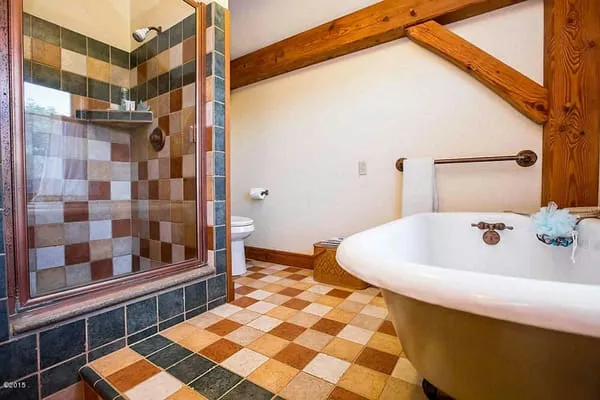
Saratoga Plumbing & Heating
Saratoga Plumbing & Heating is a locally owned and operated plumbing and HVAC service provider serving Saratoga Springs and surrounding areas since 2011. Founded by a Licensed Master Plumber and EPA-c...
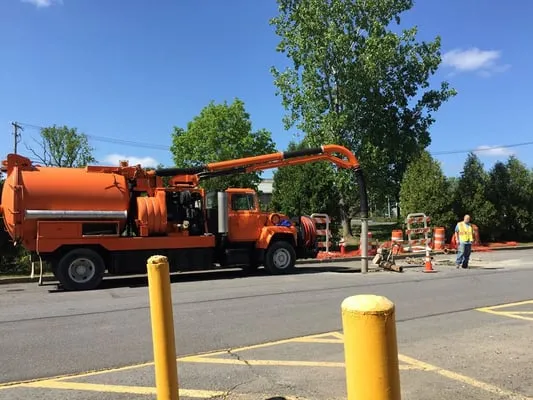
Plumbing Today has been serving Latham and the greater Albany area since 1999, providing reliable plumbing solutions for homes and businesses. Our team of licensed, bonded, and insured plumbers handle...
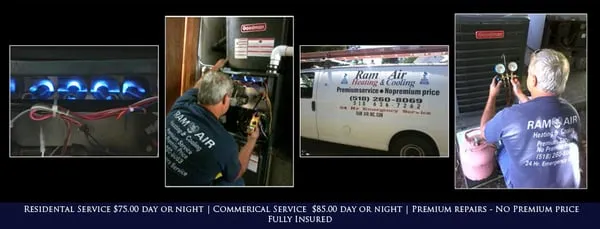
Ram Air Heating & Cooling is a family-owned and operated business with deep roots in Queensbury, NY, spanning three generations. For over thirty years, we've been dedicated to the HVAC and plumbing tr...

The Fix-it Team LLC is your North Granville neighbor for a wide range of home repair and remodeling needs. As a family-run, locally owned business, we take pride in being deeply involved in our commun...
Wetherby Plumbing Heating and Air Conditioning
Wetherby Plumbing, Heating & Air Conditioning is a trusted, family-operated service provider proudly serving Fort Edward and the surrounding New York communities. With over 45 years of hands-on experi...
StateLine Mechanical
StateLine Mechanical, founded by Chris Briere, brings over 20 years of licensed plumbing expertise to the Hampton, NY and wider Lakes Region area. For the past 15 years, Chris has collaborated with pr...
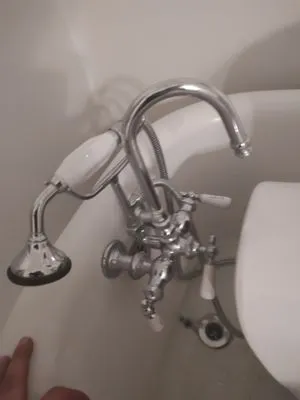
Frosty Sewer and Drain Service Repair is a trusted, locally-owned plumbing company serving South Burlington, VT. We provide comprehensive solutions for everything from routine drain cleaning to comple...
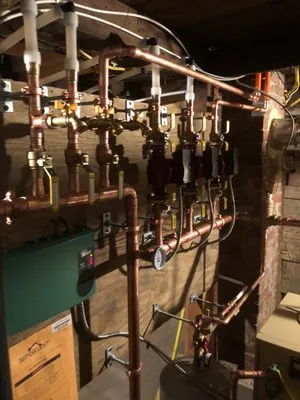
Merrill Mechanical is a family-owned mechanical company serving Bethel, VT, and surrounding areas since 2006. Founded by Justin Merrill, who brings decades of plumbing experience from Boston and Orego...
Dundon Plumbing Heating & Portable Restrooms
Dundon Plumbing Heating & Portable Restrooms has been a trusted family-owned business serving Orwell and Vermont's Champlain Valley for over 90 years. With three generations of experience, we provide ...
Laroe & Son Plumbing & Heating is a family-owned and operated business serving Swanton, VT, and the surrounding communities. We understand the unique plumbing challenges faced by local homeowners, inc...
Estimated Plumbing Costs in Proctor, VT
Question Answers
As a rural Proctor homeowner, what unique plumbing issues should I watch for?
Rural properties here typically rely on well water and septic systems rather than municipal services. Well pumps and pressure tanks require regular maintenance to handle hard water conditions. Septic systems need proper sloping in hilly terrain to function effectively, with leach fields requiring careful placement. These independent systems mean homeowners bear full responsibility for water quality and waste management, unlike urban settings with public utilities.
My Proctor home has original galvanized steel pipes from the 1930s. What should I expect at this age?
Galvanized steel pipes installed around 1938 are now 88 years old. Homeowners in Proctor Village Center are seeing significant rust buildup and reduced water pressure as the interior zinc coating has completely worn away. The steel corrodes from the inside out, creating rough surfaces that trap mineral deposits. Many systems from this era are reaching their failure point, with leaks developing at threaded joints and along pipe walls.
Does Otter Creek's hard water damage my plumbing fixtures?
Hard water from Otter Creek contains dissolved minerals that precipitate as scale inside pipes and appliances. Water heaters accumulate lime deposits on heating elements, reducing efficiency and shortening lifespan. Fixtures develop crusty buildup around aerators and valve seats, restricting flow and causing premature wear. This scaling problem compounds with galvanized pipes, where mineral deposits accelerate corrosion by trapping moisture against metal surfaces.
How quickly can a plumber reach my house in Proctor during an emergency?
Heading past Vermont Marble Museum on US Route 7, most Proctor addresses are within a 20-30 minute dispatch window. Route 7 provides the main artery through town, with side roads branching to residential areas. This timing accounts for typical traffic patterns and allows for gathering necessary tools and parts before arrival.
What should I do before spring thaw to prevent plumbing problems?
Before temperatures rise above freezing, inspect exposed pipes in crawl spaces and along exterior walls for existing damage. Drain outdoor faucets and irrigation systems completely to prevent burst pipes when ice melts rapidly. Check that your main water shutoff valve operates smoothly, as spring thaw can reveal weaknesses in older plumbing. These steps help manage the transition from 9°F lows to warmer temperatures without emergency calls.
Does Proctor's hilly terrain affect my home's drainage system?
The sloping landscape around Vermont Marble Museum creates drainage challenges for plumbing systems. Downhill properties experience increased hydrostatic pressure on sewer mains, while uphill homes may have slow drainage due to insufficient slope. Soil erosion on hillsides can expose or stress buried water lines, making them vulnerable to freezing or damage. Proper grading around your foundation helps direct water away from critical plumbing infrastructure.
Who handles permits and inspections for plumbing work in Proctor?
I coordinate directly with the Proctor Town Clerk for local permits and the Vermont Department of Public Safety Division of Fire Safety for required inspections. This includes backflow prevention device testing, water heater installations, and major plumbing renovations. Handling this red tape ensures your project meets all Vermont codes without requiring you to navigate bureaucratic processes. Proper documentation protects your investment and maintains compliance with state regulations.
Why do my old galvanized pipes keep springing pinhole leaks?
Galvanized steel pipes from 1938 suffer from internal corrosion that creates weak spots in the pipe walls. As rust accumulates unevenly, thin areas develop where water pressure eventually breaches the metal. These pinhole leaks typically appear first at joints where dissimilar metals meet or along horizontal runs where sediment settles. The problem accelerates once the protective zinc coating has completely deteriorated.
