Top Emergency Plumbers in Norwich, VT, 05001 | Compare & Call

There are 16 plumbing companies server in Norwich VT
Frosty Sewer and Drain Service Repair is a trusted, locally-owned plumbing company serving South Burlington, VT. We provide comprehensive solutions for everything from routine drain cleaning to comple...
Merrill Mechanical is a family-owned mechanical company serving Bethel, VT, and surrounding areas since 2006. Founded by Justin Merrill, who brings decades of plumbing experience from Boston and Orego...
Dundon Plumbing Heating & Portable Restrooms
Dundon Plumbing Heating & Portable Restrooms has been a trusted family-owned business serving Orwell and Vermont's Champlain Valley for over 90 years. With three generations of experience, we provide ...
Priority Building & Property Maintenance
Priority Building & Property Maintenance is your trusted, family-owned partner for property care in Springfield, VT. We focus on a preventative approach to maintenance, helping you identify and addres...
ARC Mechanical Contractors
ARC Mechanical Contractors has been a trusted name in mechanical services since 1947, when Chet Allen first opened the doors as Allen Refrigeration Company. Renamed in 1987, the company has built a 70...
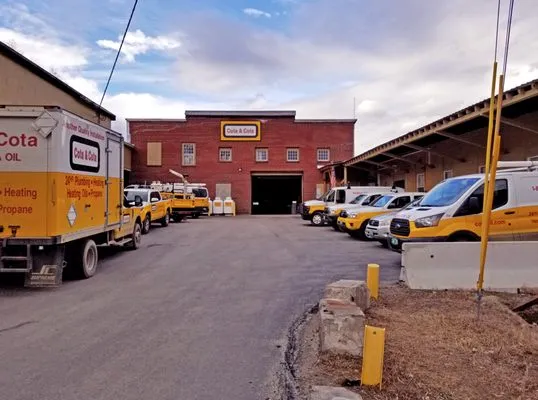
For over 75 years, Cota & Cota has been the trusted family name for plumbing and heating in Bellows Falls and beyond. Founded in 1941 by Ken and Helen Cota, this Vermont-owned business has grown from ...
Jerm's Plumbing and Heating is a Norwich-based provider of essential home services, dedicated to serving the Upper Valley community. We focus on delivering reliable plumbing, heating, and HVAC solutio...
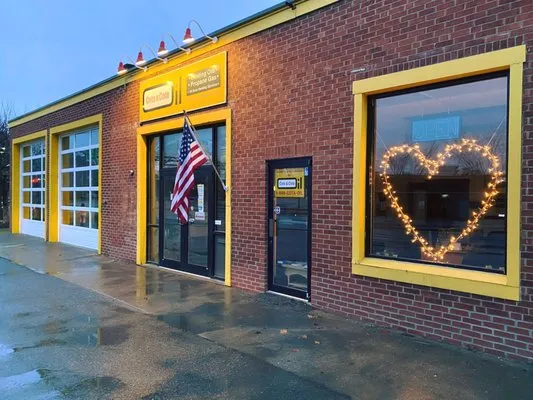
Cota & Cota
Cota & Cota is a trusted Vermont family business serving White River Junction and surrounding communities for over 80 years. Founded in 1941 by Ken and Helen Cota, the company has grown from a small g...
T.Dean Plumbing & Heating
T.Dean Plumbing & Heating is a trusted, full-service plumbing company serving Springfield, VT, and the surrounding communities. We specialize in a wide range of services designed to keep your home's w...
HB Energy Solutions
HB Energy Solutions is a locally owned and operated home services provider based in Springfield, VT, with over 22 years of experience serving Vermont and New Hampshire. Founded by Tom and Doug, who ar...
Estimated Plumbing Costs in Norwich, VT
FAQs
What's the most important spring plumbing task for a Norwich home?
Before the spring thaw hits its peak, check all exterior hose bibs. Make sure they were properly winterized and that the shut-off valve inside is fully closed. A bib that froze and cracked over the winter at 8 degrees won't reveal itself until you use it or until the thaw sends water through it. A small leak there can cause considerable foundation or siding damage.
How quickly can a plumber get to a home in Norwich during an emergency?
Heading past the Montshire Museum of Science, I-91 is the main artery. From there, local roads can add time, especially with winter conditions. A realistic dispatch from our shop to most Norwich Village addresses is 45 to 60 minutes. We factor in that travel time when you call so we can give you an accurate window to expect us.
What permits are needed for a water heater or bathroom remodel in Norwich?
The Norwich Planning and Zoning Department handles local permits, and the Vermont Department of Public Safety Division of Fire Safety requires a plumbing permit for any work involving fuel gas or significant alterations. I pull these permits for every job. Handling this red tape is part of the service—it ensures the work is inspected and documented correctly for your home's records.
My house in Norwich Village was built in the 60s. Should I worry about my plumbing?
Copper pipes installed around 1962 are now 64 years old. That's beyond their typical service life. Homeowners here are seeing pinhole leaks appear in basement ceilings or behind walls. The copper has simply worn thin from decades of water flow and mineral interaction. Proactive replacement of aging sections, especially near the water heater, can prevent a major failure.
Why do my copper pipes keep springing pinhole leaks?
This is a classic failure mode for 1960s-era copper. Over 60 years, the internal pipe wall erodes from water velocity and mineral content, creating weak spots. Pinhole leaks often cluster in horizontal runs or where hot and cold lines are close. The fix isn't just a patch; the surrounding pipe is also compromised and should be replaced to prevent the next leak.
Could the hilly land around here cause plumbing problems?
Absolutely. The slope of the terrain, similar to the land around the Montshire, puts constant stress on the main water line running from the street to your house. This can lead to joint failure or a break at the meter pit. It also affects drainage; a home built into a hillside may have chronic dampness or a sump pump that works overtime during heavy rain or snowmelt.
Are there special plumbing concerns for a rural Norwich property?
Yes, you're responsible for the entire system from the well pump to the septic field. Well pump pressure switches and tanks need periodic service. Septic systems require regular pumping every 3-5 years; neglecting this is the leading cause of drain field failure. There's no municipal department to call if your lateral line fails, so preventative maintenance is critical.
Does Connecticut River water damage my home's plumbing?
The river is the source for the municipal supply, which has a high mineral content. This hard water causes significant scale buildup inside pipes and appliances. Your water heater's heating elements become insulated by scale, forcing it to work harder and fail prematurely. Fixtures like showerheads and faucet aerators will also clog much faster without a softener or regular descaling.
