Top Emergency Plumbers in Middlesex, VT, 05602 | Compare & Call

There are 54 plumbing companies server in Middlesex VT
Jax Snow Electric and Construction is a Peru-based contractor serving the North Country with comprehensive electrical, plumbing, and construction services. Our team of certified master electricians an...
Frosty Sewer and Drain Service Repair is a trusted, locally-owned plumbing company serving South Burlington, VT. We provide comprehensive solutions for everything from routine drain cleaning to comple...
Pipe Dreams Sewer & Drain is a trusted, licensed provider serving Milton, VT, and the surrounding Chittenden County region. We specialize in comprehensive sewer, septic, and drain solutions for both h...
Benoure Plumbing & Heating
Benoure Plumbing, Heating & Air Conditioning is a family-owned mechanical contractor serving South Burlington and the surrounding Vermont community since 1966. With a team of over 70 licensed professi...
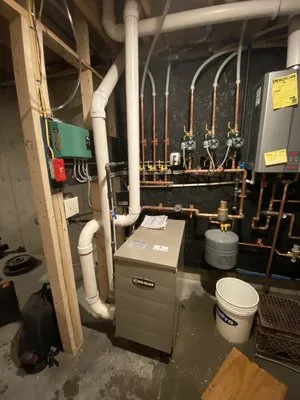
Robinson Mechanical
Robinson Mechanical is a family-owned and operated mechanical services company proudly serving Franklin, Vermont, and the surrounding communities. As a Natural Gas, LP Gas, Fuel Oil, and EPA A/C Certi...
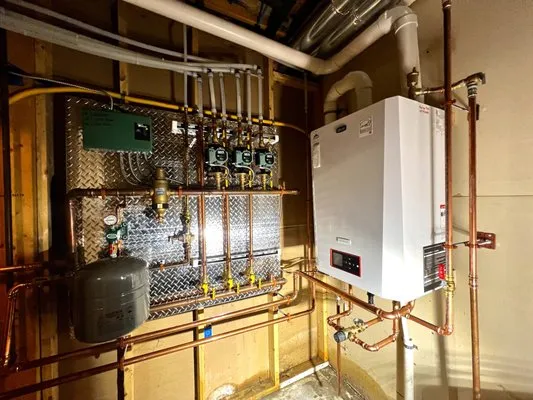
Horizon Plumbing & Heating is your trusted local solution for plumbing and HVAC needs in Williamstown, Vermont. We specialize in diagnosing and fixing common local problems like persistent pipe joint ...
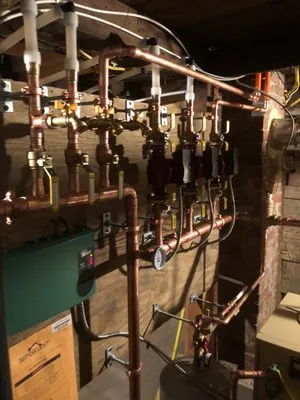
Merrill Mechanical is a family-owned mechanical company serving Bethel, VT, and surrounding areas since 2006. Founded by Justin Merrill, who brings decades of plumbing experience from Boston and Orego...
Red Rock Mechanical LLC
Red Rock Mechanical LLC is a family-owned Vermont company that has been providing reliable plumbing, heating, and air conditioning services to the Burlington, VT and Plattsburgh, NY areas since 2001. ...

Peak Mechanical
Founded in 2014 by Jim Cressey, Dave Lavigne, and Brad Walker, Peak Mechanical brings over 50 years of combined experience to the Waterbury community and the Greater Burlington area. The three owners,...
B & H Mechanical is a trusted, family-owned heating, cooling, and plumbing company serving Milton, VT, and the surrounding communities. As local experts, we understand the specific challenges homeowne...
Estimated Plumbing Costs in Middlesex, VT
Common Questions
Does hilly terrain around Wrightsville Reservoir affect my drainage?
The sloping terrain around Wrightsville Reservoir creates drainage challenges for Middlesex properties. Downhill water flow can overwhelm French drains and gutter systems during heavy rain or snowmelt. Main water lines experience additional stress from soil movement on hillsides, potentially causing joint separation or line fractures. Proper grading and reinforced pipe supports help mitigate these terrain-specific issues.
How does hard well water affect my plumbing system?
Private wells in Middlesex deliver hard water that causes scale buildup throughout your plumbing. Water heaters accumulate mineral deposits that reduce efficiency and shorten lifespan by 30-40%. Fixtures develop reduced flow as aerators clog with calcium deposits. Installing a whole-house water softener protects appliances and maintains consistent water pressure despite the local geology.
Who handles permits for plumbing work in Middlesex?
I manage all necessary permits through Town of Middlesex Zoning and Planning and maintain Vermont Department of Public Safety Division of Fire Safety credentials. This includes septic system modifications, well pump installations, and any structural plumbing changes. Proper permitting ensures your systems meet local codes and safety standards—I handle the red tape so you don't have to navigate bureaucratic requirements alone.
How quickly can a plumber reach my home in Middlesex?
Heading past Wrightsville Reservoir on I-89, most service calls take 45-60 minutes from dispatch. The route follows I-89 northbound, then local roads through Middlesex Center. Weather conditions in the Snow Belt can add time during winter months, but this routing avoids the most congested areas while serving the entire Middlesex region efficiently.
Why do my 1970s copper pipes keep developing pinhole leaks?
Copper pipes from the late 1970s often experience pinhole leaks due to electrolytic corrosion and joint calcification. The copper has thinned over 48 years of service, particularly at solder joints and elbows where water turbulence occurs. In Middlesex homes, this manifests as small, persistent leaks that worsen during temperature fluctuations. Regular inspections can identify weak spots before they become emergencies.
What should I do before spring thaw to prevent plumbing problems?
Before spring thaw, disconnect garden hoses and drain outdoor faucets completely. Insulate exposed pipes in crawl spaces and basements, as temperatures can still drop to 5°F even as thaw begins. Check your main water shutoff valve for easy access—rapid temperature swings during thaw season put extra stress on older copper systems. These steps prevent burst pipes when frozen ground begins shifting.
How does rural living in Middlesex affect my septic and well systems?
Rural Middlesex properties rely on private wells and septic systems that require different maintenance than municipal services. Well pumps need regular pressure checks and sediment filter changes. Septic systems demand careful water usage management to prevent overload, especially with hard water mineral buildup. These systems work together—a failing well pump can affect septic function, so coordinated maintenance prevents cascading failures.
My copper pipes are from 1978 - what should I expect at this age?
Copper pipes installed around 1978 are now 48 years old. Homeowners in Middlesex Center often notice increased frequency of pinhole leaks and joint failures as the copper reaches this stage. The natural corrosion process accelerates after four decades, especially with our hard water conditions. You might see small green stains around fittings or hear water hammer noises that weren't present before.
