Top Emergency Plumbers in Manchester, VT, 05254 | Compare & Call

There are 25 plumbing companies server in Manchester VT
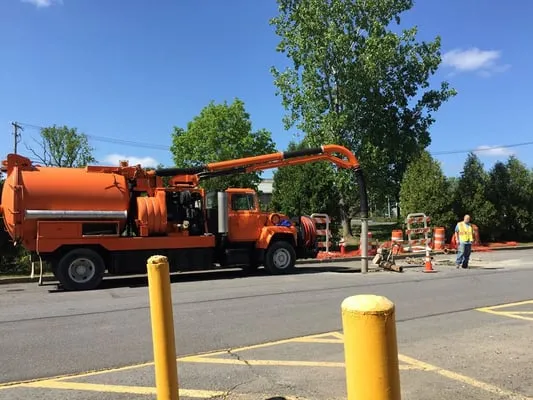
Plumbing Today has been serving Latham and the greater Albany area since 1999, providing reliable plumbing solutions for homes and businesses. Our team of licensed, bonded, and insured plumbers handle...

Trinity Plumbing & Drain Cleaning
Trinity Plumbing & Drain Cleaning is a licensed plumbing and HVAC service provider serving Albany, NY and the surrounding Capital Region. We specialize in both residential and commercial plumbing, dra...
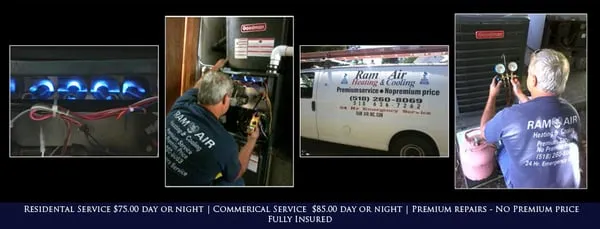
Ram Air Heating & Cooling is a family-owned and operated business with deep roots in Queensbury, NY, spanning three generations. For over thirty years, we've been dedicated to the HVAC and plumbing tr...
The Fix-it Team LLC is your North Granville neighbor for a wide range of home repair and remodeling needs. As a family-run, locally owned business, we take pride in being deeply involved in our commun...
Dundon Plumbing Heating & Portable Restrooms
Dundon Plumbing Heating & Portable Restrooms has been a trusted family-owned business serving Orwell and Vermont's Champlain Valley for over 90 years. With three generations of experience, we provide ...
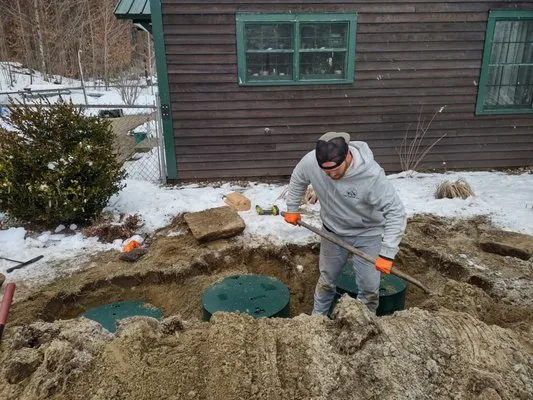
EMS Drains is a family-owned and operated plumbing and septic service provider in West Rutland, VT, dedicated to resolving drain, sewer, and septic system issues for local homeowners. We combine a str...
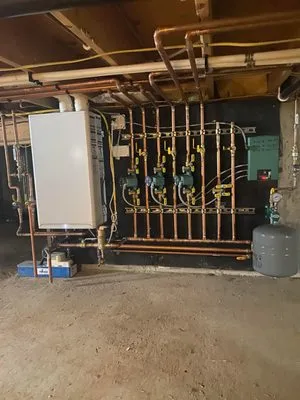
For over 12 years, Plumb & Go has been a trusted, locally-owned plumbing and heating resource for Poultney and the broader Rutland County area. We are a fully licensed and insured team dedicated to pr...
JEK Plumbing Heating and Cooling
For over 35 years, JEK Plumbing Heating and Cooling has been the trusted, local solution for Readsboro's home comfort and plumbing needs. Founded on deep-rooted expertise, we specialize in solving com...

Priority Building & Property Maintenance
Priority Building & Property Maintenance is your trusted, family-owned partner for property care in Springfield, VT. We focus on a preventative approach to maintenance, helping you identify and addres...
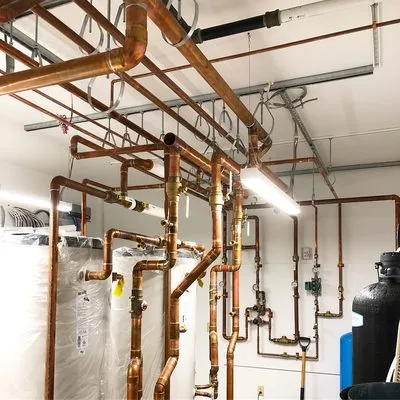
Gsk Climate Control
Founded in 1985 by Greg Kristiansen, GSK Climate Control has grown from a one-person operation into the largest mechanical contractor in Southern Vermont. Greg's education at SUNY Canton and Delhi Col...
Estimated Plumbing Costs in Manchester, VT
Common Questions
What should I do before spring thaw to prevent plumbing problems?
Before temperatures rise above freezing, inspect all exposed pipes in basements and crawl spaces for existing leaks or weaknesses. Drain outdoor faucets and irrigation systems completely, and consider installing frost-proof sillcocks if you don't have them. Monitor areas where snow accumulates against your foundation, as melting water can seep into cracks and cause basement flooding or pipe damage.
Are there special considerations for rural Manchester plumbing systems?
Rural properties typically have private wells and septic systems rather than municipal connections. Well pumps require regular maintenance and pressure tank adjustments, while septic systems need periodic pumping every 3-5 years. Water quality testing becomes essential with private wells, and backup generators are recommended for sump pumps and well systems during power outages common in rural areas.
What permits do I need for a plumbing project in Manchester?
Most plumbing work requires permits from the Town of Manchester Zoning and Planning Department, plus compliance with Vermont Department of Public Safety - Division of Fire Safety codes for gas lines and water heaters. I handle this red tape for clients, submitting plans, scheduling inspections, and ensuring all work meets current Vermont plumbing codes. This prevents delays and ensures your project passes final inspection without issues.
Could my home's hillside location cause drainage issues?
Hilly terrain around Equinox Mountain creates several plumbing challenges. Downward slope puts constant stress on main sewer lines, potentially causing joint separation or pipe sagging over time. Surface water runoff during heavy rains can overwhelm perimeter drains, while soil erosion may expose buried pipes to freezing temperatures. Proper grading and French drain systems help mitigate these issues.
My Manchester Village home was built around 1980 - should I be worried about my plumbing?
Copper pipes installed in 1980 are now 46 years old. At this age, homeowners in Manchester Village often notice pinhole leaks developing, especially at joints and elbows where water turbulence causes erosion. The copper has endured decades of Vermont's temperature swings and hard water mineral content. Many systems from this era are reaching the end of their service life, with failures becoming more frequent in kitchens, bathrooms, and basements.
How quickly can a plumber reach my Manchester home in an emergency?
Heading past Equinox Mountain on US-7, our dispatch route covers most Manchester addresses within 45-60 minutes. We monitor traffic patterns along this corridor, particularly during seasonal tourism peaks. For urgent situations like burst pipes or sewage backups, we prioritize routing to minimize response time while maintaining safe driving through the hilly terrain.
Does Bourn Brook water affect my home's plumbing fixtures?
Water sourced from Bourn Brook and local aquifers contains high mineral content that causes scaling throughout your plumbing system. This hard water leaves calcium deposits inside water heaters, reducing efficiency and shortening tank life. Fixtures like showerheads and faucet aerators clog with mineral buildup, while dishwashers and washing machines require more detergent to function properly.
Why do my copper pipes keep springing small leaks?
Copper plumbing from the 1980s often develops pinhole leaks due to a combination of age-related thinning and galvanic corrosion where dissimilar metals meet. Without dielectric unions, which weren't standard practice then, electrolysis between copper and steel fittings creates weak spots. Scale buildup from hard water accelerates this process, causing failures at joints and along pipe runs where water velocity is highest.
