Top Emergency Plumbers in Killington, VT, 05751 | Compare & Call

There are 43 plumbing companies server in Killington VT
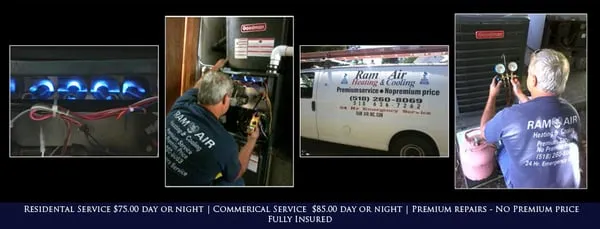
Ram Air Heating & Cooling is a family-owned and operated business with deep roots in Queensbury, NY, spanning three generations. For over thirty years, we've been dedicated to the HVAC and plumbing tr...

The Fix-it Team LLC is your North Granville neighbor for a wide range of home repair and remodeling needs. As a family-run, locally owned business, we take pride in being deeply involved in our commun...
StateLine Mechanical
StateLine Mechanical, founded by Chris Briere, brings over 20 years of licensed plumbing expertise to the Hampton, NY and wider Lakes Region area. For the past 15 years, Chris has collaborated with pr...
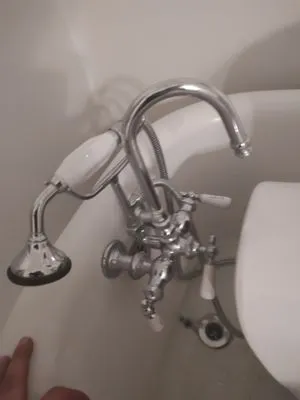
Frosty Sewer and Drain Service Repair is a trusted, locally-owned plumbing company serving South Burlington, VT. We provide comprehensive solutions for everything from routine drain cleaning to comple...
Pipe Dreams Sewer & Drain is a trusted, licensed provider serving Milton, VT, and the surrounding Chittenden County region. We specialize in comprehensive sewer, septic, and drain solutions for both h...
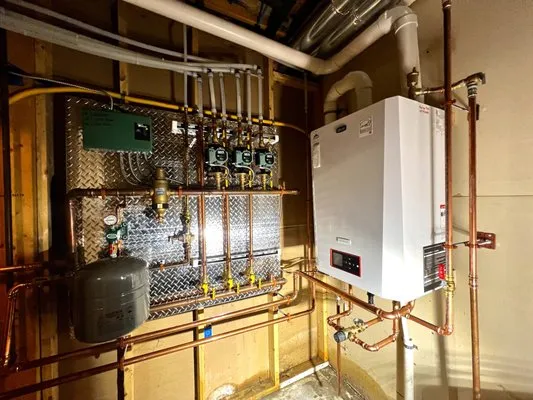
Horizon Plumbing & Heating is your trusted local solution for plumbing and HVAC needs in Williamstown, Vermont. We specialize in diagnosing and fixing common local problems like persistent pipe joint ...
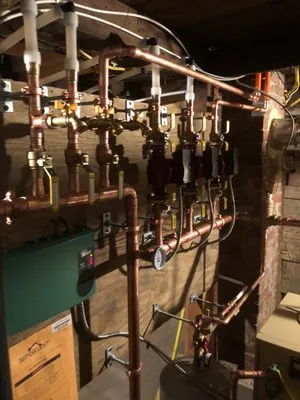
Merrill Mechanical is a family-owned mechanical company serving Bethel, VT, and surrounding areas since 2006. Founded by Justin Merrill, who brings decades of plumbing experience from Boston and Orego...

B & H Mechanical is a trusted, family-owned heating, cooling, and plumbing company serving Milton, VT, and the surrounding communities. As local experts, we understand the specific challenges homeowne...
Dundon Plumbing Heating & Portable Restrooms
Dundon Plumbing Heating & Portable Restrooms has been a trusted family-owned business serving Orwell and Vermont's Champlain Valley for over 90 years. With three generations of experience, we provide ...
Hartigan in Montpelier, VT is a family-owned wastewater management company that has been serving the community since 1957. Specializing in septic services, plumbing inspections, and portable toilet re...
Estimated Plumbing Costs in Killington, VT
Q&A
How long does it take a plumber to get to my house on a mountain road?
From a dispatch point near Killington Ski Resort, the route follows US Route 4 to your access road. Heading past the resort on US Route 4 is straightforward, but final driveway access on steep, private roads can add time. For most calls in the Killington area, plan on a 45 to 60 minute response window from the initial call.
Our Killington home's copper plumbing is from 1976. What should we expect?
Copper pipe installed in 1976 is now 50 years old. At this age, the walls thin from decades of water flow, especially with our well water. Homeowners in Killington Village often start seeing pinhole leaks first, typically under sinks or at joints. This wear is expected and signals it's time to plan for a partial or full repipe, not just patch individual leaks.
Can the hilly terrain around my home cause plumbing problems?
The steep slopes common around Killington Ski Resort put constant stress on the main water line from your well to the house. Ground settling and frost heave can cause the pipe to shift and strain at its connections. This hilly terrain also complicates drainage, as runoff during heavy rain or snowmelt can undermine soil around buried pipes, leading to exposure or breakage.
Who handles permits for a water heater or repipe in Killington?
The Town of Killington Zoning and Planning Department issues the local permits, and the Vermont Department of Public Safety Division of Fire Safety requires a separate permit and inspection for any fuel-burning appliance work. As a licensed master plumber, my credentials are filed with both agencies. I handle that red tape and schedule the inspections so you don't have to navigate the process yourself.
What are the unique plumbing concerns for a rural Killington property?
Rural systems here are self-contained. Your well pump and pressure tank are your responsibility, not a town's. Septic system health is directly tied to water usage; a running toilet can overload the drain field. There's no municipal water pressure to mask problems like a failing well pump, so changes in flow or pressure are immediate signs something needs attention.
What's the most important cold-weather plumbing tip for Killington?
Keep a steady, low heat in vulnerable areas like crawl spaces and utility rooms when temperatures hit 8°F or below. The bigger annual threat is the spring thaw. Rapid melting from the snow belt can flood basements and overwhelm perimeter drains. Before the thaw, clear snow away from your foundation and ensure all downspouts extend at least six feet from the house.
Does well water in Killington damage plumbing fixtures?
Yes, our private well water tends to be acidic and corrosive. This acidity aggressively attacks the interior of water heaters, causing premature tank failure and clogging elements with scale. Fixtures like faucets and shower valves also wear out faster as the water eats away at brass components and rubber seals. Installing a whole-house acid neutralizer is the standard fix to protect your entire system.
Why do my 1970s copper pipes keep springing pinhole leaks?
Copper from that era can develop pinhole leaks due to a combination of age and local water chemistry. Over 50 years, microscopic erosion from acidic well water creates weak spots that eventually perforate. The leaks often appear in horizontal runs or at solder joints that have experienced decades of thermal expansion and contraction. This is a systemic issue, not random failure.
