Top Emergency Plumbers in Johnson, VT, 05656 | Compare & Call

There are 24 plumbing companies server in Johnson VT
Jax Snow Electric and Construction is a Peru-based contractor serving the North Country with comprehensive electrical, plumbing, and construction services. Our team of certified master electricians an...
Frosty Sewer and Drain Service Repair is a trusted, locally-owned plumbing company serving South Burlington, VT. We provide comprehensive solutions for everything from routine drain cleaning to comple...
Pipe Dreams Sewer & Drain is a trusted, licensed provider serving Milton, VT, and the surrounding Chittenden County region. We specialize in comprehensive sewer, septic, and drain solutions for both h...
Benoure Plumbing & Heating
Benoure Plumbing, Heating & Air Conditioning is a family-owned mechanical contractor serving South Burlington and the surrounding Vermont community since 1966. With a team of over 70 licensed professi...
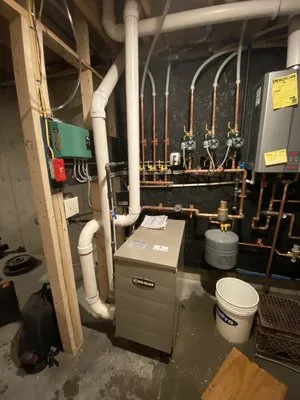
Robinson Mechanical
Robinson Mechanical is a family-owned and operated mechanical services company proudly serving Franklin, Vermont, and the surrounding communities. As a Natural Gas, LP Gas, Fuel Oil, and EPA A/C Certi...
Brock's Heating, Air Conditioning & Gas Services
Founded on nearly two decades of specialized expertise, Brock's Heating, Air Conditioning & Gas Services is a family-owned and operated company serving Fairfax and the greater Champlain Valley. Owner ...

B & H Mechanical is a trusted, family-owned heating, cooling, and plumbing company serving Milton, VT, and the surrounding communities. As local experts, we understand the specific challenges homeowne...
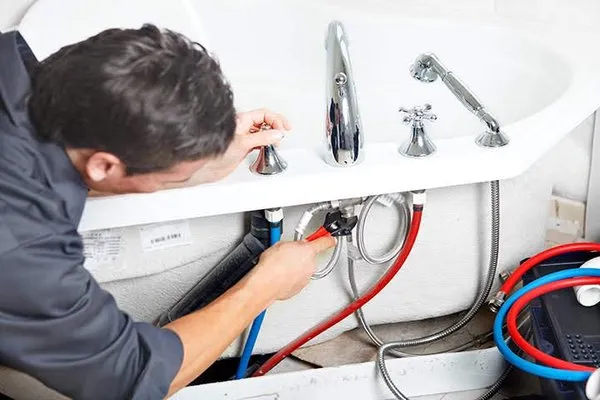
BKR Plumbing and Heating
BKR Plumbing and Heating is your locally owned and trusted plumbing partner in Duxbury, VT. With over 25 years of experience, we are a fully licensed and insured team dedicated to providing a better p...
Dundon Plumbing Heating & Portable Restrooms
Dundon Plumbing Heating & Portable Restrooms has been a trusted family-owned business serving Orwell and Vermont's Champlain Valley for over 90 years. With three generations of experience, we provide ...
Hartigan in Montpelier, VT is a family-owned wastewater management company that has been serving the community since 1957. Specializing in septic services, plumbing inspections, and portable toilet re...
Estimated Plumbing Costs in Johnson, VT
Question Answers
Why does my water heater fail so often with Johnson's hard water?
Hard water from the Gihon River deposits scale inside water heaters and fixtures. This mineral buildup reduces efficiency and causes premature element failure. Anode rods deplete faster, leaving tanks vulnerable to corrosion. Installing a water softener or scheduling regular descaling extends appliance life significantly.
How quickly can a plumber reach my home in Johnson?
Heading past Vermont State University Johnson Campus on VT-15, our dispatch route covers most of town within 45-60 minutes. We monitor traffic patterns and weather conditions to optimize response times. This routing ensures we can address urgent issues like burst pipes or water heater failures promptly.
Are septic and well systems different to maintain in rural Johnson?
Rural Johnson properties with septic and well systems require specialized maintenance. Wells need annual testing for hard water minerals, while septic systems demand careful water usage monitoring. Unlike municipal systems, these private setups lack redundancy, making preventive care essential. We recommend septic inspections every three years.
What causes those tiny leaks in my copper pipes?
Pinhole leaks in 1973-era copper plumbing often result from electrolytic corrosion and scale buildup. The pipe walls thin over decades, creating weak spots that eventually perforate. Joint calcification from mineral deposits also stresses connections. These failures typically appear in sections with turbulent water flow or where pipes contact dissimilar metals.
How long do copper pipes typically last in older Johnson homes?
Copper plumbing installed around 1973 is now 53 years old. In the Main Street Historic District, homeowners are seeing pinhole leaks and joint calcification as the pipes reach this age. The original solder joints and pipe walls have endured decades of hard water flow, leading to predictable failure points. Regular inspections can catch these issues before they become emergencies.
Does Johnson's hilly terrain affect my home's plumbing?
Hilly slopes around Vermont State University Johnson Campus create drainage challenges that stress main lines. Downhill properties experience higher water pressure, while uphill homes may need booster pumps. Soil erosion can expose or damage buried pipes. Proper grading and pressure-regulating valves address these terrain-specific issues.
Who handles permits for plumbing work in Johnson?
The Town of Johnson Zoning Administrator oversees local permits, and I maintain active credentials with the Vermont Office of Professional Regulation. I handle the red tape so you don't have to navigate bureaucratic requirements. This includes securing necessary approvals for water line replacements or septic modifications while ensuring all work meets state codes.
What should I do before spring thaw to prevent plumbing problems?
Before spring thaw peaks, disconnect garden hoses and shut off exterior faucets. Insulate pipes in unheated crawl spaces, as temperatures can drop to 8°F even during warming trends. Check for foundation cracks where melting snow might infiltrate. These steps prevent freeze damage and basement flooding common in Snow Belt climates.
