Top Emergency Plumbers in Essex Junction, VT, 05452 | Compare & Call

There are 63 plumbing companies server in Essex Junction VT
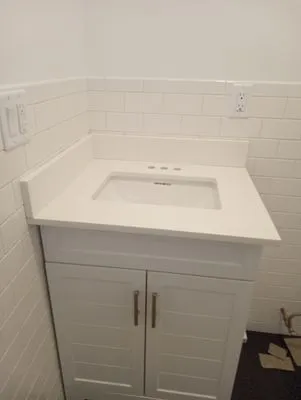
Jax Snow Electric and Construction is a Peru-based contractor serving the North Country with comprehensive electrical, plumbing, and construction services. Our team of certified master electricians an...
For over 25 years, MC Enterprise has been a trusted, family-run construction and service provider serving Rouses Point and the wider North Country region of New York and Vermont. Founded on the princi...
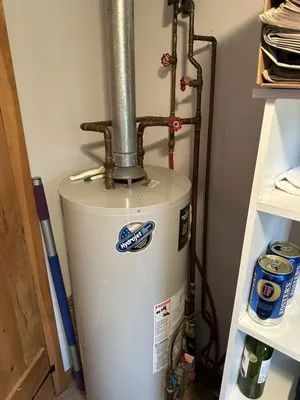
Drain Pros in Burlington, VT is a family-owned plumbing business with deep roots in the trade, carrying forward the expertise passed down through generations. We provide reliable plumbing services for...
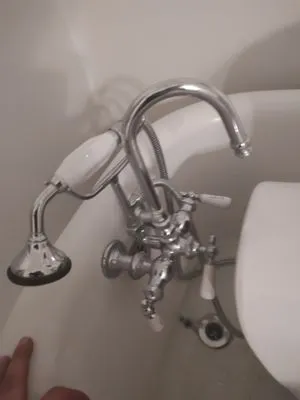
Frosty Sewer and Drain Service Repair is a trusted, locally-owned plumbing company serving South Burlington, VT. We provide comprehensive solutions for everything from routine drain cleaning to comple...
Pipe Dreams Sewer & Drain is a trusted, licensed provider serving Milton, VT, and the surrounding Chittenden County region. We specialize in comprehensive sewer, septic, and drain solutions for both h...
Valor Plumbing is a Bristol-based plumbing service founded by a local professional with over a decade of experience. After serving as a mechanic in the Army, including deployment in Iraq, the owner la...
Plumber for Less provides reliable plumbing services to South Burlington homes and businesses. With over 35 years of experience as a Master Plumber, our focus is on delivering honest, professional wor...
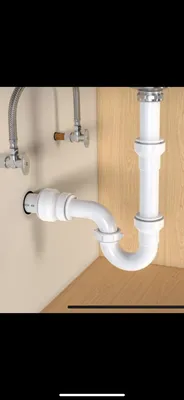
Chris Prushko is a licensed master plumber with many years of experience serving Milton, Vermont, and the surrounding area. Fully certified to work with natural gas, LP, and oil systems, he provides c...
Benoure Plumbing & Heating
Benoure Plumbing, Heating & Air Conditioning is a family-owned mechanical contractor serving South Burlington and the surrounding Vermont community since 1966. With a team of over 70 licensed professi...

Williamson Plumbing & Heating
Williamson Plumbing & Heating has been a trusted local provider in Underhill, Vermont, since 1984, when Dennis and Resa Williamson founded the business. We specialize in comprehensive residential plum...
Estimated Plumbing Costs in Essex Junction, VT
Common Questions
What's the most common plumbing repair for a 1980s home around here?
For copper systems from 1982, we most often repair pinhole leaks caused by internal corrosion and joint failures. The solder used at the time can degrade, and scale buildup from our hard water puts extra stress on those connections. We also replace a lot of the original gate valves, which seize up or fail to fully shut off after decades. The repairs are usually localized, but they signal the system is in its later service years.
As a suburban homeowner, what part of my plumbing should I pay the most attention to?
Focus on the sewer lateral—the pipe that runs from your house to the municipal main under the street. In our suburban setting, tree roots are the primary culprit for blockages and breaks. Older clay or cast iron lines from the 80s are particularly vulnerable. A slow-draining basement floor drain or gurgling toilets can be the first sign. Having the lateral scoped with a camera every few years is the best way to catch root intrusion early before it causes a backup.
How fast can a plumber get to my house in Essex Junction during an emergency?
From our shop near the Champlain Valley Exposition, a common dispatch route heads out I-89 to reach most Essex Junction addresses. That direct highway access typically puts us at your door in 20 to 30 minutes for a critical call. We factor in local traffic around Five Corners and weather conditions, but that corridor is our main artery for a quick response.
What's one thing I should do before spring to avoid a plumbing disaster?
Before the spring thaw hits its peak, disconnect and store your garden hoses. A hose bib that freezes and thaws can crack the pipe inside the wall, and you won't know until you turn the outside water back on. With our lows around 8°F, any water left in an exterior line or an un-drained irrigation system can freeze and split. It's a simple five-minute task that prevents a very expensive repair.
Could the hilly land in Essex Junction cause plumbing problems?
The slope of the land, especially in areas around the Exposition, directly affects drainage and puts stress on sewer lines. A lateral line running down a hill can have joints pulled apart over time by soil movement. For water mains, the elevation changes can create high static pressure at the low points of a home's system. We often install pressure-reducing valves in basements to counteract this and prevent premature wear on fixtures and appliances.
Does the hard water in Essex Junction damage my water heater?
Yes, the mineral content from the Champlain Water District causes significant scale buildup inside water heaters and at fixture aerators. In a tank, that sediment acts as an insulator, forcing the unit to work harder and fail sooner. You'll notice reduced hot water volume and higher energy bills. For tankless models, the scaling can clog the heat exchanger. An annual flush of the tank and inspecting the anode rod are essential maintenance steps here.
Do I need a permit to replace my water heater or repipe my house?
Most plumbing work, including water heater replacement and repiping, requires a permit from the Essex Junction Development Department. As a master plumber licensed by the Vermont Office of Professional Regulation, I pull those permits, schedule the required inspections, and handle all the paperwork. My license number is on the invoice. This ensures the work meets current state code, which protects your home's value and your insurance coverage. You shouldn't have to navigate that red tape.
My house in Essex Junction was built in the early 80s. Should I be worried about my plumbing?
Your copper pipes are now about 44 years old. That's the typical lifespan for the type of copper installed in our area in 1982. In neighborhoods like Five Corners, we're seeing a pattern of pinhole leaks developing, especially at solder joints and where pipes contact dissimilar metals. The internal walls of the pipe thin out over decades, and the hard water accelerates this. It's less about catastrophic failure and more about managing the increasing frequency of small, persistent leaks.
