Top Emergency Plumbers in Enosburg Falls, VT, 05450 | Compare & Call

There are 12 plumbing companies server in Enosburg Falls VT
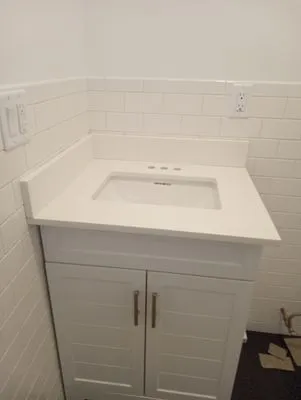
Jax Snow Electric and Construction is a Peru-based contractor serving the North Country with comprehensive electrical, plumbing, and construction services. Our team of certified master electricians an...
Pipe Dreams Sewer & Drain is a trusted, licensed provider serving Milton, VT, and the surrounding Chittenden County region. We specialize in comprehensive sewer, septic, and drain solutions for both h...
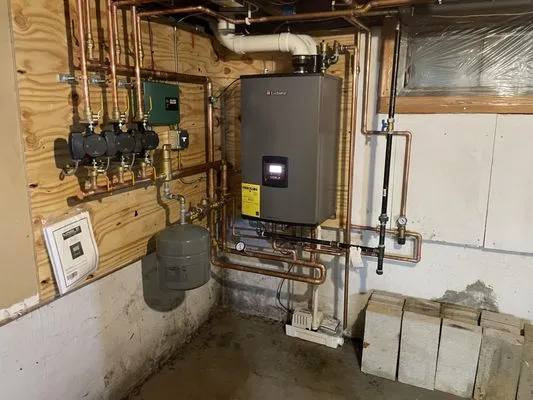
Benoure Plumbing & Heating
Benoure Plumbing, Heating & Air Conditioning is a family-owned mechanical contractor serving South Burlington and the surrounding Vermont community since 1966. With a team of over 70 licensed professi...
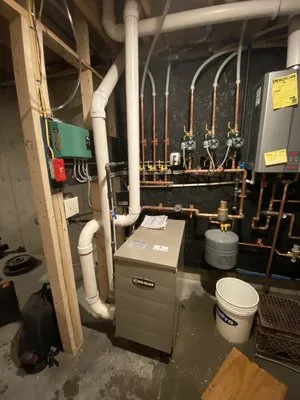
Robinson Mechanical
Robinson Mechanical is a family-owned and operated mechanical services company proudly serving Franklin, Vermont, and the surrounding communities. As a Natural Gas, LP Gas, Fuel Oil, and EPA A/C Certi...
B & H Mechanical is a trusted, family-owned heating, cooling, and plumbing company serving Milton, VT, and the surrounding communities. As local experts, we understand the specific challenges homeowne...
Dundon Plumbing Heating & Portable Restrooms
Dundon Plumbing Heating & Portable Restrooms has been a trusted family-owned business serving Orwell and Vermont's Champlain Valley for over 90 years. With three generations of experience, we provide ...
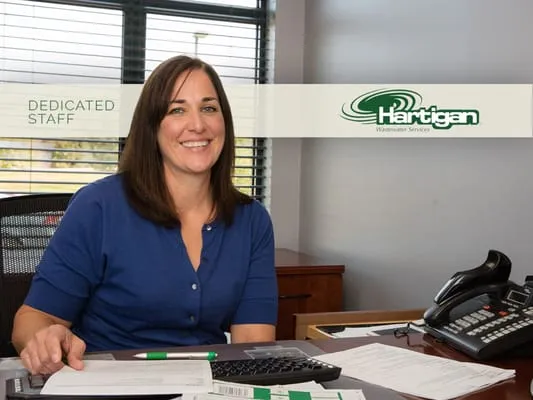
Hartigan in Montpelier, VT is a family-owned wastewater management company that has been serving the community since 1957. Specializing in septic services, plumbing inspections, and portable toilet re...
Master Mechanical
Master Mechanical is your trusted local partner for commercial refrigeration and restaurant equipment repair in northern Vermont. Founded in 2009, this locally owned and operated business is built on ...
Power and Flow Solutions is a trusted electrical and plumbing service provider serving Swanton, VT, and the surrounding areas. We specialize in a wide range of home services, including bathtub, circui...

Ward Manley Plumbing & Heating is your trusted, local plumbing expert in Enosburg Falls, VT. For years, they've been helping homeowners address common regional plumbing problems like persistent drain ...
Estimated Plumbing Costs in Enosburg Falls, VT
Frequently Asked Questions
How quickly can a plumber reach my home in Enosburg Falls?
Heading past Missisquoi River on VT-105, our dispatch route covers most of the village within 45-60 minutes. We prioritize calls based on water shutoff capability and property damage risk. Rural roads off VT-105 may add time during winter conditions. Knowing your exact location helps us route efficiently.
Who handles permits for plumbing work in Enosburg Falls?
I coordinate directly with the Enosburg Zoning Administrator for local permits and the Vermont Department of Public Safety Division of Fire Safety for code compliance. This includes septic system modifications, well drilling permits, and gas line installations. Handling this red tape ensures your project meets all regulations without requiring your involvement in bureaucratic processes.
How old are the pipes in my Enosburg Falls home built around 1946?
Galvanized steel pipes installed in 1946 are now 80 years old. Homeowners in Enosburg Village are seeing frequent rust-colored water, reduced water pressure, and sudden leaks in basements or crawl spaces. At this age, the zinc coating has completely worn away, leaving bare steel that corrodes from the inside out. Many houses along the Missisquoi River are experiencing these symptoms simultaneously.
Does the Missisquoi River water affect my plumbing fixtures?
The river's slightly acidic water accelerates corrosion in water heaters and fixtures. Anode rods in water heaters deteriorate faster, typically needing replacement every 2-3 years instead of 5-6. Fixtures develop blue-green staining from copper corrosion, and rubber washers in faucets degrade quicker. Installing a whole-house neutralizer can extend appliance lifespan.
What should I do before spring thaw to prevent plumbing problems?
Before temperatures rise above freezing, disconnect garden hoses and drain outdoor faucets. Insulate pipes in unheated crawl spaces, particularly on north-facing slopes where snow lingers. Check your main water shutoff valve for easy operation—frozen valves cause delays during emergencies. These steps prevent burst pipes when thawing snow saturates the ground.
Why do my old pipes keep springing pinhole leaks?
Galvanized steel pipes from 1946 develop pinhole leaks due to internal corrosion and joint calcification. As scale builds up inside the pipe, water pressure finds weak spots in the thinned metal. These leaks often appear first at threaded joints or where pipes pass through foundation walls. Complete pipe replacement becomes more cost-effective than repeated repairs after multiple failures.
As a rural homeowner, what unique plumbing issues should I watch for?
Well systems require annual pressure tank checks and more frequent sediment filter changes. Septic systems need pumping every 3-5 years with hilly terrain. Water pressure fluctuations from well pumps can stress old galvanized pipes. Unlike municipal systems, you're responsible for the entire water supply line from well to house.
How does the hilly terrain around Enosburg affect my drainage?
Hilly slopes along the Missisquoi River create drainage challenges for main sewer lines. Downward slope puts constant stress on pipe joints, while upward slopes allow debris accumulation. Spring runoff can overwhelm older drainage systems, causing backups in lower-elevation homes. Proper grading around your foundation directs water away from the main line connection.
