Top Emergency Plumbers in Corinth, VT, 05039 | Compare & Call

There are 20 plumbing companies server in Corinth VT
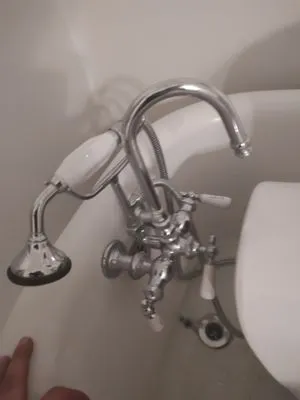
Frosty Sewer and Drain Service Repair is a trusted, locally-owned plumbing company serving South Burlington, VT. We provide comprehensive solutions for everything from routine drain cleaning to comple...
Pipe Dreams Sewer & Drain is a trusted, licensed provider serving Milton, VT, and the surrounding Chittenden County region. We specialize in comprehensive sewer, septic, and drain solutions for both h...
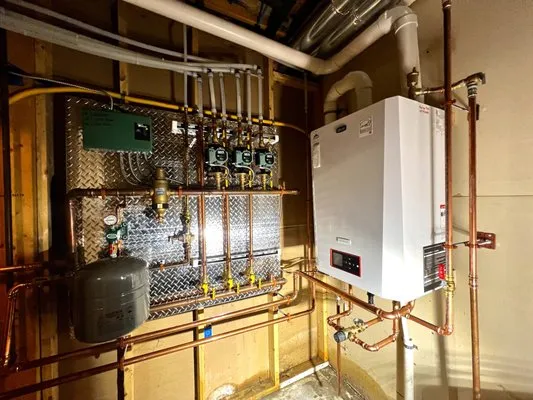
Horizon Plumbing & Heating is your trusted local solution for plumbing and HVAC needs in Williamstown, Vermont. We specialize in diagnosing and fixing common local problems like persistent pipe joint ...
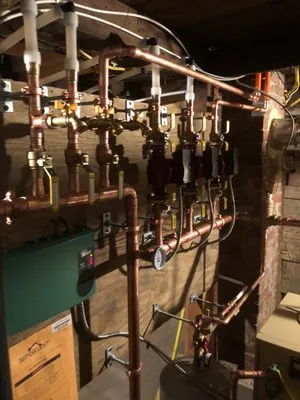
Merrill Mechanical is a family-owned mechanical company serving Bethel, VT, and surrounding areas since 2006. Founded by Justin Merrill, who brings decades of plumbing experience from Boston and Orego...
BKR Plumbing and Heating
BKR Plumbing and Heating is your locally owned and trusted plumbing partner in Duxbury, VT. With over 25 years of experience, we are a fully licensed and insured team dedicated to providing a better p...
Dundon Plumbing Heating & Portable Restrooms
Dundon Plumbing Heating & Portable Restrooms has been a trusted family-owned business serving Orwell and Vermont's Champlain Valley for over 90 years. With three generations of experience, we provide ...
Hartigan in Montpelier, VT is a family-owned wastewater management company that has been serving the community since 1957. Specializing in septic services, plumbing inspections, and portable toilet re...
ARC Mechanical Contractors
ARC Mechanical Contractors has been a trusted name in mechanical services since 1947, when Chet Allen first opened the doors as Allen Refrigeration Company. Renamed in 1987, the company has built a 70...

Twin State Plumbing and Heating is your trusted, local plumbing and HVAC expert serving Corinth, Vermont, and the surrounding communities. We provide reliable, year-round solutions for homeowners, fro...

Comstock Bob Plumbing & Heating is a trusted, locally-owned plumbing service dedicated to the residents of Barre, VT. We understand the common plumbing frustrations homeowners face, from persistent to...
Estimated Plumbing Costs in Corinth, VT
FAQs
What's the most common plumbing repair for a 1970s Corinth home?
The signature repair is addressing pinhole leaks in the original copper lines. By this age, the protective interior scale has often worn thin from corrosive water, allowing tiny leaks to develop, usually at joints or where pipes rub against framing. It often requires cutting out entire sections and repiping with modern materials better suited to our water chemistry.
How long does it take for a plumber to get to Corinth from Cookeville?
From Cookeville Common, the dispatch route heads west on VT-25. That's the primary artery, so barring a major winter event, the drive through the hills to most parts of Corinth takes 45 to 60 minutes. Knowing that route intimately means we can give you a reliable window, not just a guess, when you call with an emergency.
Why are we suddenly seeing so many plumbing leaks in our Corinth homes?
Houses in Corinth Corners built around 1974 have copper pipes now reaching 52 years old. That's the typical lifespan for copper in our area. What you're seeing is the final stage of wear, where decades of acidic well water cause pinhole leaks to appear simultaneously in walls and ceilings. It's not a coincidence; it's the predictable failure point for our generation of housing stock.
Who handles permits for a water heater or septic repair in Corinth?
The Corinth Town Clerk's Office issues local permits, and the Vermont Department of Public Safety Division of Fire Safety requires a permit for any water heater installation. As a licensed master plumber, filing that paperwork and ensuring the work passes inspection is part of the job. I handle the red tape and coordinate with the state so you don't have to navigate those systems.
Does being on a private well and septic change how we maintain our plumbing?
It requires a more proactive approach. There's no municipal supply to dilute issues or provide backup pressure. Everything from water pressure to waste removal is self-contained. You need to monitor your well pump's pressure tank and schedule regular septic inspections. A problem with either system immediately becomes a household emergency, unlike in a town sewer district.
Can the hilly land around Cookeville Common cause plumbing problems?
Absolutely. The slope puts constant, uneven stress on the main water line running from your well to the house. Over decades, this can lead to fatigue and failure at the connection point or where the pipe crosses ledge. Hilly terrain also complicates drainage; a septic system or leach field on a significant grade requires precise installation to function properly and avoid backups.
Does our well water shorten the life of appliances?
Yes, specifically water heaters and brass fixtures. The low pH of our private well water is corrosive. It attacks the anode rod in your water heater aggressively, leading to premature tank failure, and it can dezincify brass faucet internals, turning them brittle and causing leaks. Installing a whole-house acid neutralizer is the most effective long-term protection for your plumbing system.
What's the most important thing to do before spring thaw in Corinth?
Shut off and drain any exterior faucets before the first hard freeze, but the pro-tip for our snow belt is to check that drainage path again in late winter. Ensure snow and ice haven't blocked the grade away from your foundation. A sudden thaw with blocked drainage sends water right into basements and against vulnerable pipe entry points, which is a leading cause of spring calls.
