Top Emergency Plumbers in Chelsea, VT, 05038 | Compare & Call

There are 239 plumbing companies server in Chelsea VT
Browns Plumbing Heating and Air Conditioning
Browns Plumbing Heating and Air Conditioning is a trusted local provider in Cornwall-on-Hudson, NY, dedicated to the comfort and reliability of your home's essential systems. We specialize in professi...

Miller's Sewer & Drain Services is a trusted, locally-owned plumbing company serving Albany, NY, and the surrounding Capital Region. We specialize in the full spectrum of sewer, drain, and water syste...
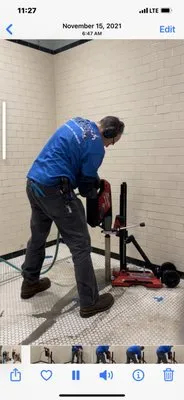
Since 1999, Revenge Plumbing has been the trusted local plumbing partner for homeowners and businesses in Colonie and the surrounding Capital Region. Founded on a commitment to clear communication and...
Miller's Water Restoration is a trusted, local service provider in Hannacroix, NY, specializing in comprehensive water damage and plumbing solutions. We understand that many homes in our area face com...

Crisafulli Bros. Plumbing & Heating Contractors
Crisafulli Bros. Plumbing & Heating Contractors, a trusted family-owned business serving Albany and Upstate NY since 1939, combines three generations of local craftsmanship with the extensive resource...
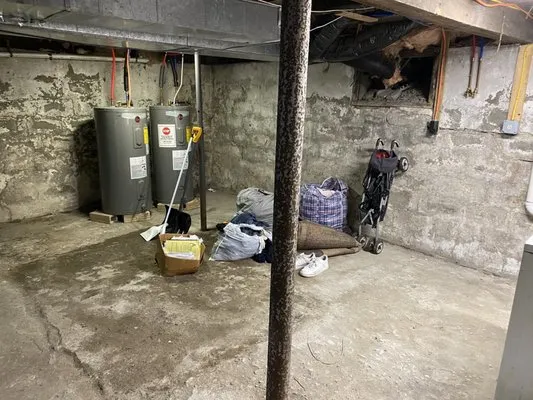
Empire State Plumbing
Empire State Plumbing was founded in 2006 by Tom Darling, a local expert who returned to the Capital District to build a dedicated service for homeowners and businesses. While the company has been a t...

Mr. Rooter Plumbing of Saratoga Springs
Mr. Rooter Plumbing of Saratoga Springs is your local, family-owned plumbing service based in Malta, NY, serving Saratoga, Schenectady, Warren/Washington, and Fulton/Montgomery Counties. Founded in 20...
Doody Calls Drain Service is a locally owned and insured plumbing company serving Glens Falls, NY, and surrounding areas. We specialize in comprehensive drain cleaning, emergency plumbing services, an...
Cerrone Plumbing, Heating and Air Conditioning
Cerrone Plumbing, Heating and Air Conditioning is a trusted provider serving Queensbury, NY, and the surrounding communities. With over 30 years of local experience, they offer a full range of plumbin...

For over 14 years, K Michaels Plumbing has been a trusted partner for homeowners and businesses across Schenectady. Our deep-rooted experience in the Capital Region allows us to understand the specifi...
Estimated Plumbing Costs in Chelsea, VT
Question Answers
Could the hilly landscape around Orange County Courthouse affect my main water line?
Chelsea's hilly terrain puts constant stress on main water lines running to homes. The slope creates gravitational pressure that tests pipe joints and connections repeatedly. Soil movement during freeze-thaw cycles can shift pipe alignment, causing stress fractures. Drainage patterns also concentrate water flow during heavy rains or snowmelt, potentially exposing or undermining buried lines. We often find the steepest sections of service lines develop leaks first due to this constant mechanical stress.
What permits or inspections do I need for plumbing work in Chelsea?
I handle the red tape with Chelsea Town Clerk/Zoning Administrator for local permits and Vermont Department of Public Safety Division of Fire Safety for required inspections. Most substantial plumbing work needs permits, especially involving water heaters, well modifications, or septic connections. As a licensed master plumber, I coordinate these requirements so homeowners don't navigate bureaucracy alone. Proper documentation protects your investment and ensures work meets current codes for safety and resale value.
Why do my older pipes keep springing small leaks even after repairs?
Galvanized steel pipes from 1938 develop pinhole leaks as corrosion eats through the pipe walls from the inside out. The zinc coating has long since worn away, exposing bare steel to oxygen and minerals in the water. Joint calcification also occurs where threaded connections accumulate mineral deposits that crack the pipe threads. These failures aren't isolated - they indicate systemic deterioration requiring section replacement rather than spot repairs.
How quickly can a plumber reach my home in Chelsea during an emergency?
Heading past Orange County Courthouse on VT-110, our dispatch route covers the main corridor through Chelsea. From our shop location, we can typically reach most Chelsea Village addresses within 45-60 minutes, depending on weather and road conditions. We prioritize emergency calls and maintain real-time communication during transit. Knowing the terrain and back roads helps us navigate efficiently even during winter storms.
What should I do to prepare my plumbing for Chelsea's cold winters?
Chelsea's snow belt climate means temperatures can drop to 5°F, but spring thaw creates the real peak for plumbing emergencies. Insulate exposed pipes before November, especially in crawl spaces and along exterior walls. Keep cabinet doors open during cold snaps to allow warm air circulation. Most importantly, know your main water shut-off location and how to use it - frozen pipes that burst during thaw can flood a home quickly. A slow drip from faucets during extreme cold prevents pressure buildup in vulnerable lines.
My Chelsea Village home was built around 1938 - should I be worried about the plumbing?
Galvanized steel pipes installed in 1938 are now 88 years old, well beyond their 50-year expected lifespan. Homeowners in Chelsea Village are seeing rust-colored water, reduced water pressure from internal corrosion, and frequent leaks at threaded joints. The steel has likely thinned significantly, making it brittle and prone to failure during pressure changes or temperature shifts. This isn't a question of if these pipes will fail, but when they'll need complete replacement.
Are there special considerations for plumbing in rural Chelsea compared to more populated areas?
Rural Chelsea properties with private wells and septic systems require different maintenance than municipal water connections. Well pumps need regular inspection and pressure tank maintenance. Septic systems dictate careful water usage patterns and prohibit certain chemicals. There's no municipal water pressure to mask small leaks - reduced flow usually means a problem developing. Backup systems become more critical since service responses take longer, and you're responsible for the entire water system from well to drain field.
Does hard water from my private well damage my plumbing system?
Hard water from Chelsea's private wells deposits scale buildup inside pipes, water heaters, and fixtures. This mineral accumulation reduces pipe diameter over time, restricting water flow and increasing pressure on aging connections. Water heaters suffer most - scale insulates heating elements, forcing them to work harder and fail sooner. Fixtures develop reduced flow and mineral stains that regular cleaning won't remove without addressing the water quality first.
