Top Emergency Plumbers in Bellows Falls, VT, 05101 | Compare & Call

There are 15 plumbing companies server in Bellows Falls VT
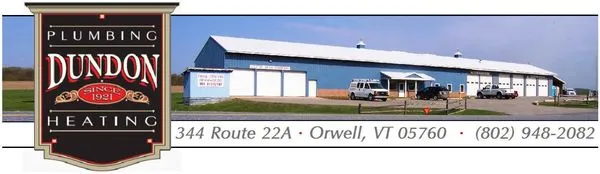
Dundon Plumbing Heating & Portable Restrooms
Dundon Plumbing Heating & Portable Restrooms has been a trusted family-owned business serving Orwell and Vermont's Champlain Valley for over 90 years. With three generations of experience, we provide ...
Priority Building & Property Maintenance
Priority Building & Property Maintenance is your trusted, family-owned partner for property care in Springfield, VT. We focus on a preventative approach to maintenance, helping you identify and addres...
ARC Mechanical Contractors
ARC Mechanical Contractors has been a trusted name in mechanical services since 1947, when Chet Allen first opened the doors as Allen Refrigeration Company. Renamed in 1987, the company has built a 70...
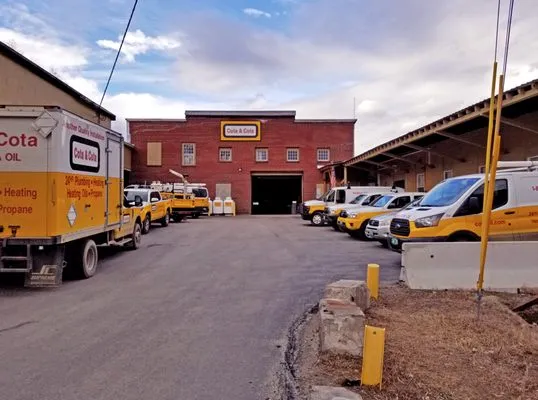
Cota & Cota is a family-owned plumbing and heating business serving Bellows Falls, Vermont, and surrounding areas since 1941. With over 75 years of experience, we provide reliable solutions for bathtu...
Cota & Cota is a family-owned plumbing and heating service based in Bellows Falls, Vermont, with over 75 years of experience serving the local community. Specializing in a comprehensive range of servi...
For over 75 years, Cota & Cota has been the trusted family name for plumbing and heating in Bellows Falls and beyond. Founded in 1941 by Ken and Helen Cota, this Vermont-owned business has grown from ...

HB Energy Solutions
HB Energy Solutions is a locally owned and operated home services provider based in Springfield, VT, with over 22 years of experience serving Vermont and New Hampshire. Founded by Tom and Doug, who ar...
Decamp Plumbing And Heating
Decamp Plumbing And Heating is a trusted local plumbing and heating service provider based in Bellows Falls, Vermont. We specialize in plumbing inspections and propane services, helping homeowners add...
James Plumbing & Heating Oil
James Plumbing & Heating Oil is a trusted, family-operated plumbing and heating service serving Bellows Falls, VT, and the surrounding communities since 1967. Founded by Stephen L. and Carol A. James,...
Harrington Plumbing & Heating is a trusted local plumbing and heating service based in Bellows Falls, VT, dedicated to keeping homes and businesses running smoothly. We specialize in comprehensive plu...
Estimated Plumbing Costs in Bellows Falls, VT
Q&A
How fast can a plumber get to my house if I have a burst pipe?
Our typical dispatch route from the shop heads past Bellows Falls Falls on Bridge Street to access I-91. This gives us a reliable artery to reach most addresses in the wider area within 30 to 45 minutes, even during seasonal traffic. We prioritize emergency calls to minimize water damage, routing around any local delays in the village.
What's the most important thing to do with my plumbing before spring in Bellows Falls?
Before the spring thaw hits its peak, shut off and drain any exterior hose bibs from inside the house. Our winters can dip to 12°F, and any residual water in those lines will freeze and crack the pipe or the bib itself. Doing this in late fall is standard, but checking the interior shut-off valve again in early March prevents a messy flood when you first try to use the outdoor tap.
Do I need a permit to replace my water heater or repipe my house?
Most substantial plumbing work in the Town of Rockingham requires a permit from Planning and Zoning. As a master plumber licensed by the Vermont Office of Professional Regulation, I pull those permits, schedule the required inspections, and ensure the work meets all state and local codes. My job is to handle that red tape so your project proceeds correctly and without delay.
Could the hilly land near Bellows Falls Falls be causing my drainage problems?
Absolutely. The steep slopes in our terrain put constant, uneven stress on buried main sewer lines and drainage pipes. Over decades, this can cause sections to settle, sag, or separate at the joints. A sagging pipe, called a 'belly,' will collect waste and solids, leading to recurrent clogs. Drainage systems must account for the grade to maintain proper flow away from the foundation.
Our home's water pressure has dropped in Downtown Bellows Falls. Could it be the old pipes?
Homes built around 1938 here are now dealing with 88-year-old galvanized steel supply lines. At this age, the interior of the pipe has accumulated decades of rust and mineral scale, which severely restricts water flow. You will notice a gradual but persistent drop in pressure at fixtures, especially on upper floors. Complete blockages are common, and the pipe walls themselves are thin and prone to sudden failure.
We're on a well and septic system outside of town. Are the plumbing issues different?
Yes, rural properties have distinct concerns. Well pumps and pressure tanks require specific maintenance, and the same corrosive water affects the well's own components. For septic systems, the hilly terrain is critical; the leach field must be on suitable, level ground to function. We check for proper venting on the well system and ensure the septic lateral lines are not compromised by slope or root intrusion.
What causes those tiny, persistent leaks in old metal pipes?
Galvanized steel from the late 1930s suffers from internal corrosion that creates pinhole leaks. The zinc coating that once protected the steel has worn away after nearly nine decades, allowing the acidic water to eat through the base metal at weak points. These leaks often start at threaded joints or where pipes rub against framing, and they will worsen with each pressure surge.
Why do our water heaters and faucets seem to fail faster here than in other towns?
Water drawn from the Connecticut River watershed tends to be slightly acidic and corrosive. This accelerates the deterioration of anode rods in water heaters and causes premature pitting in brass and copper fixtures. Without a properly maintained anode rod, your water heater's steel tank will corrode from the inside out, leading to leaks much sooner than expected.
