Top Emergency Plumbers in Barnet, VT, 05042 | Compare & Call

There are 234 plumbing companies server in Barnet VT
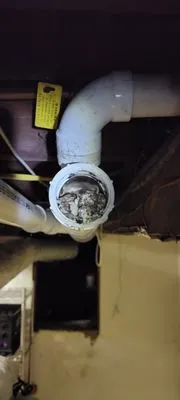
Doody Calls Drain Service is a locally owned and insured plumbing company serving Glens Falls, NY, and surrounding areas. We specialize in comprehensive drain cleaning, emergency plumbing services, an...
Cerrone Plumbing, Heating and Air Conditioning
Cerrone Plumbing, Heating and Air Conditioning is a trusted provider serving Queensbury, NY, and the surrounding communities. With over 30 years of local experience, they offer a full range of plumbin...
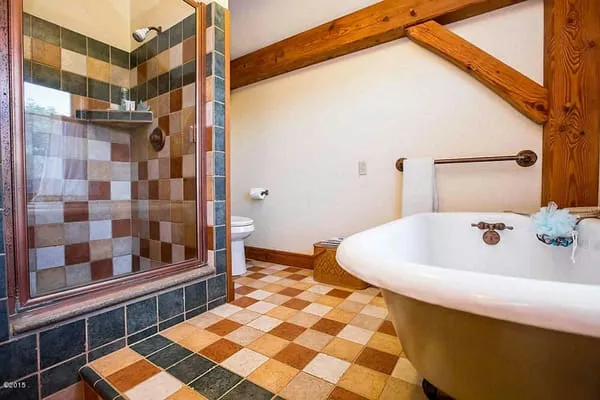
Saratoga Plumbing & Heating
Saratoga Plumbing & Heating is a locally owned and operated plumbing and HVAC service provider serving Saratoga Springs and surrounding areas since 2011. Founded by a Licensed Master Plumber and EPA-c...

Jack Hall Plumbing & Heating
Jack Hall Plumbing & Heating is a licensed, full-service contractor serving Glens Falls, NY, and surrounding areas. We specialize in comprehensive plumbing, heating, and air conditioning solutions for...

The Fix-it Team LLC is your North Granville neighbor for a wide range of home repair and remodeling needs. As a family-run, locally owned business, we take pride in being deeply involved in our commun...
Northern Plumbing Services is your trusted local plumbing expert serving Dickinson Center, NY, and surrounding areas. We specialize in comprehensive plumbing solutions, including bathtub, drain, fauce...
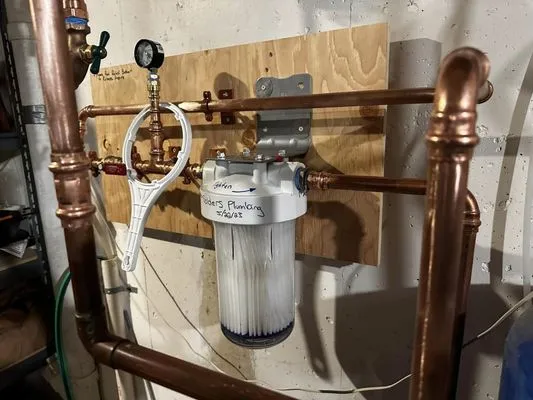
Solders Plumbing and Excavation is a trusted, family-owned and operated business serving Chazy, NY, and the surrounding North Country. We provide a comprehensive range of services, from essential plum...
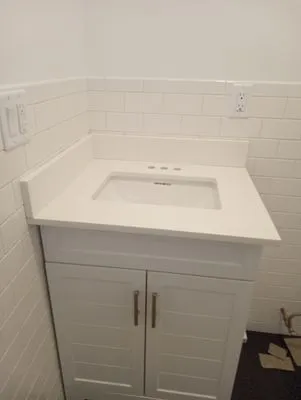
Jax Snow Electric and Construction is a Peru-based contractor serving the North Country with comprehensive electrical, plumbing, and construction services. Our team of certified master electricians an...
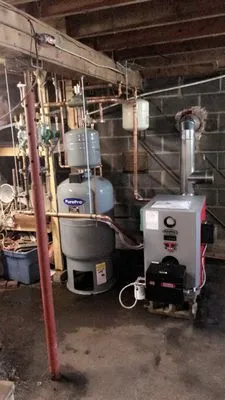
Your Guy Handyman Service
Your Guy Handyman Service LLC in Elizabethtown, NY, is a trusted local provider of reliable home maintenance and repair solutions. We handle a wide range of projects, from appliance installation and f...
For over 25 years, MC Enterprise has been a trusted, family-run construction and service provider serving Rouses Point and the wider North Country region of New York and Vermont. Founded on the princi...
Estimated Plumbing Costs in Barnet, VT
Frequently Asked Questions
What permits are needed for a water heater or septic repair in Barnet?
Most plumbing work, especially involving fuel-burning appliances or septic systems, requires a state permit from the Vermont Department of Public Safety Division of Fire Safety. As a licensed master plumber, I pull those permits as part of the job. For septic work, the town clerk's office may also have filing requirements. My role is to handle that red tape, schedule the required inspections, and ensure the work is signed off, so you don't have to navigate the bureaucracy yourself.
How long does it take for a plumber to get to Barnet for an emergency call?
From my shop, the dispatch route involves heading past Harvey Mountain to catch I-91 north. That highway run is the fastest leg. Once I exit for Barnet, the local roads add time. For a true emergency, my target is 45 to 60 minutes from the call to pulling into your driveway. Weather on Harvey Mountain or traffic on I-91 can affect that, but that's the standard run.
Why do my galvanized pipes keep springing pinhole leaks?
Galvanized steel pipe from the 1930s has a finite lifespan, typically 50-70 years. The zinc coating that prevents rust wore off internally decades ago. Now, the bare steel is corroding unevenly, creating thin spots in the pipe wall. Combined with our hard water's mineral scale, which creates internal pressure points, these weak spots fail as pinhole leaks. It's a systemic issue, and patching one leak often just moves the failure point to the next weakest spot in the line.
As a rural homeowner, what plumbing systems am I fully responsible for?
You own the entire system, from the well cap to the septic leach field. There's no municipal water or sewer to call. That means maintaining the well pump and pressure tank, the entire network of supply pipes, the septic tank and its pump if you have one, and the drainage field. A failure in any one component stops the whole system. It's a good practice to have your well water tested annually and your septic tank pumped on a 3-5 year schedule, as these are your only utilities.
My old house in Barnet Village has water pressure issues. Is this related to the pipes?
It likely is. Homes in this area, built around 1938, have galvanized steel supply lines that are now about 88 years old. That material rusts and corrodes from the inside out, a process that's been ongoing for decades. What you're seeing now is the final stage: the pipe's interior diameter has narrowed so much from scale buildup that water volume is severely restricted. It's a progressive failure, and low pressure is usually the first major sign before leaks start.
Does having a private well mean I need different maintenance for my water heater?
Yes, it requires specific attention. Unfiltered well water in Barnet is very hard, meaning it's high in dissolved minerals like calcium and magnesium. In a water heater, these minerals precipitate out as solid scale, coating the heating elements and tank bottom. This scale acts as an insulator, forcing the heater to work harder and fail sooner. Installing a whole-house water softener or conditioner is the most effective long-term strategy to protect all your appliances, not just the water heater.
Could the hilly land around my home be causing drainage problems?
Absolutely. The slope of land around Harvey Mountain dictates how water moves. For drainage, a house built into a hillside can have a main sewer line or septic effluent line that runs uphill, requiring a pump system that can fail. For water supply, the constant gravitational pull on a main line running down a steep slope puts persistent stress on fittings and can lead to joint failure over time. Evaluating the grade and soil stability around your foundation is a key part of diagnosing chronic wet basement or yard drainage issues here.
What's the most important thing to do with my plumbing before spring in Vermont?
The critical task is managing the spring thaw. Before the ground fully softens, locate and clearly mark your main water shut-off valve and your septic tank cleanout port. When that frozen ground melts, saturated soil can shift and put sudden stress on buried pipes and septic lines. Knowing exactly where these key points are lets you act fast if a problem arises. A slow drip from a supply line or a backup at the tank can become a major issue if you waste time searching for the shutoff.
