Top Emergency Plumbers in Wakefield, VA, 22003 | Compare & Call

There are 75 plumbing companies server in Wakefield VA
Drake Plumbing has been a trusted fixture in Ivor, Virginia, for over 15 years. We provide dependable plumbing solutions for both homes and businesses, focusing on clear communication and lasting resu...

House Healers, founded in 2014 by former Marine Matt Arbas, is a Virginia Beach-based residential contractor. With over 18 years of construction experience and Class A licensing, Matt uniquely holds c...
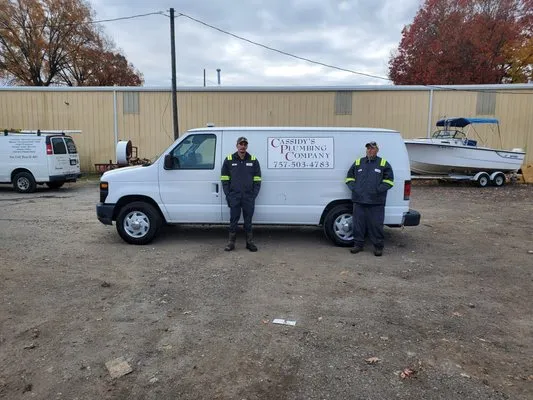
Cassidy's Plumbing & Septic is a locally owned and operated plumbing service based in Hampton, Virginia. For years, we've been the trusted call for Hampton homeowners facing a wide range of plumbing a...
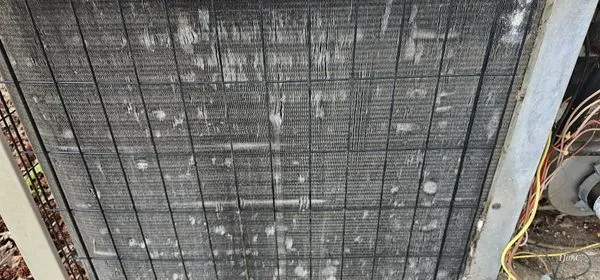
J R Credle has been serving Portsmouth, VA, for over 11 years, building a reputation for meticulous, high-quality work in appliance repair, HVAC services, and plumbing. Founded on a commitment to cust...
RS Andrews of Tidewater
RS Andrews of Tidewater is your trusted local partner for HVAC and plumbing in Chesapeake, VA. As a licensed provider, our team offers comprehensive installation, maintenance, and repair services for ...
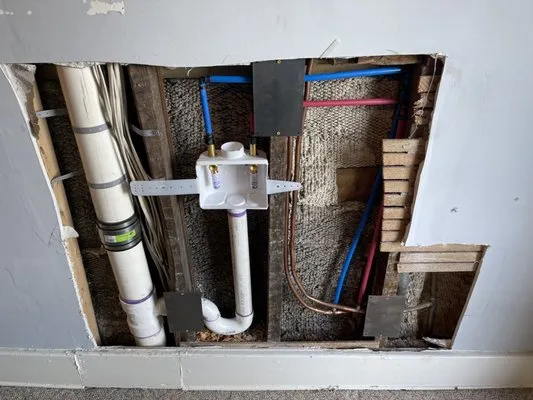
The Plumbing Officials is a locally owned plumbing service in Richmond, VA, with over 30 years of experience in the construction industry. We provide 24/7 emergency services for both residential and c...
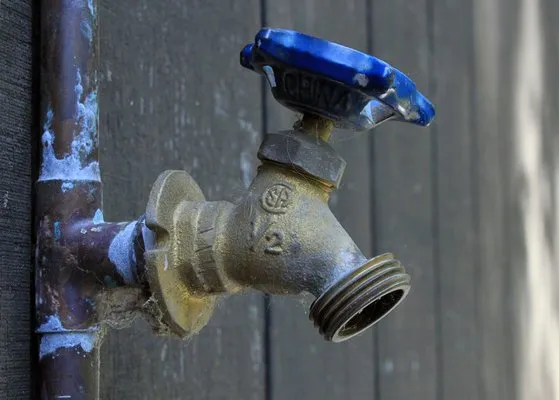
Harry's Plumbing has been serving Richmond, VA, and surrounding areas since 2008, providing reliable plumbing services with a focus on quality and honesty. With over 25 years of industry experience, o...
B l Plumbing is a trusted, full-service plumbing company serving Richmond, VA, and surrounding areas. We specialize in a comprehensive range of residential and commercial plumbing services, including ...
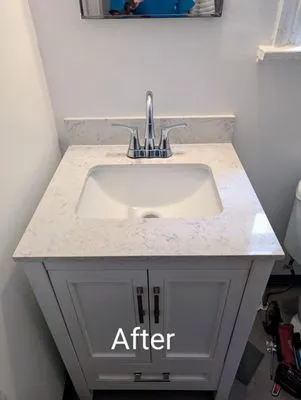
H2O Pro is a trusted plumbing service provider serving Richmond, VA homeowners with comprehensive solutions for common local plumbing issues. Specializing in both installation and repair, we address f...
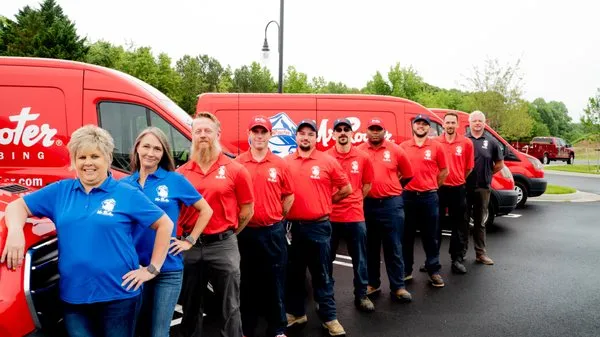
Mr. Rooter Plumbing of Richmond, VA
Mr. Rooter Plumbing of Richmond, VA, located in Midlothian, is your local plumbing expert serving the community with reliable, honest service. Founded on core values established in 1970, this independ...
Estimated Plumbing Costs in Wakefield, VA
FAQs
How quickly can a plumber reach my home in Wakefield?
Heading past Wakefield Foundation on US-460, our dispatch route covers most of town within 45-60 minutes. US-460 provides direct access to residential areas while avoiding backroad delays. We maintain this response window even during peak traffic hours by using multiple service vehicles stationed throughout Sussex County.
Who handles permits and inspections for plumbing work in Sussex County?
I coordinate directly with Sussex County Building Inspections for all required permits and final inspections. My Virginia Department of Professional and Occupational Regulation credentials ensure work meets current code standards. This approach handles the red tape so homeowners can focus on their daily routines rather than bureaucratic processes.
What should I do before spring thaw to prevent plumbing problems?
Before temperatures drop to 28°F, insulate exposed pipes in crawl spaces and attics. Drain outdoor faucets and irrigation systems completely. During spring thaw, check for new drips or moisture around pipe joints as expanding ice may have created micro-fractures. This proactive approach prevents most freeze-related emergencies in our temperate climate.
Does Blackwater River water affect my home's plumbing?
Water drawn from the Blackwater River carries high mineral content that causes scale buildup. In water heaters, this scale reduces efficiency by insulating heating elements and can lead to premature tank failure. Fixtures develop reduced flow as mineral deposits accumulate in aerators and valve seats over time.
Why do my copper pipes keep developing small leaks?
Copper pipes from 1968 often develop pinhole leaks due to decades of mineral interaction with our hard water. The solder joints between sections become brittle as calcification builds up inside the pipes. This joint failure is predictable at this age and typically requires section replacement rather than temporary patches.
My Wakefield home was built around 1968 - what should I expect from my plumbing now?
Copper pipes installed in 1968 are now 58 years old. In the Main Street Historic District, homeowners are seeing increased frequency of leaks at solder joints and fittings. This age represents the typical lifespan for copper in our area, where mineral content accelerates wear. Many systems need partial repiping or full replacement to avoid recurring issues.
As a rural homeowner, what unique plumbing concerns should I watch for?
Rural properties typically combine well water systems with septic tanks, creating dual maintenance requirements. Well pumps and pressure tanks need regular inspection for sediment buildup from the aquifer. Septic systems require careful monitoring of water usage patterns to avoid overloading the drain field, especially during wet seasons when soil absorption decreases.
Could Wakefield's low-lying terrain be causing my drainage issues?
Low-lying areas around Wakefield Foundation experience slower drainage due to minimal elevation change. This puts constant hydrostatic pressure on main sewer lines, which can lead to joint separation over time. Soil saturation from poor drainage also accelerates corrosion on buried pipe sections, particularly at connections to the municipal system.
