Top Emergency Plumbers in University Center, VA, 20147 | Compare & Call

There are 238 plumbing companies server in University Center VA
Philios Plumbing & Drains is a locally owned and licensed plumbing service serving Bailey's Crossroads and the surrounding communities. We specialize in solving urgent plumbing problems, from sewer ba...
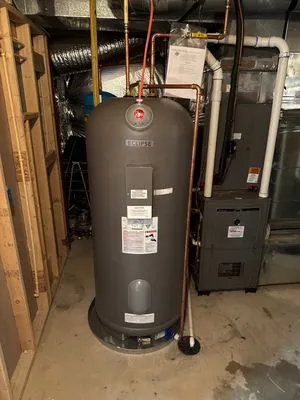
Reddick & Sons
Reddick & Sons is a family-owned and operated Class A contractor based in Manassas, VA, proudly serving Northern Virginia since 2009. Founded by Daniel Reddick, a Prince William County native who hold...
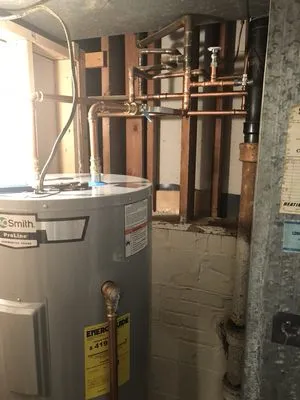
MJW Plumbing Company is a locally owned and operated plumbing service in Great Falls, founded by Michael Whitecotton. A Vienna, VA native, Michael became a certified Master Plumber in 2012 and built h...
Home Service Pros is a trusted, locally-owned contractor serving Alexandria, VA, and the greater Northern Virginia region. Founded by Greg Schick and built from the merger of Quality Sewer & Drain and...
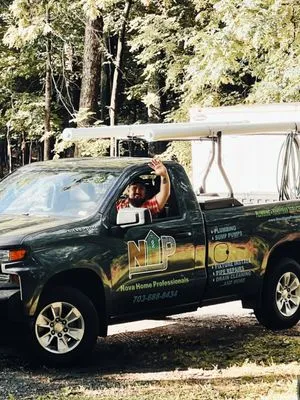
Two Irish Plumbers, formerly Nova Home Professionals, is a fully licensed and insured plumbing company serving Alexandria, VA. Owned and operated by Steven Katz and Ian Harris, we bring over 20 years ...
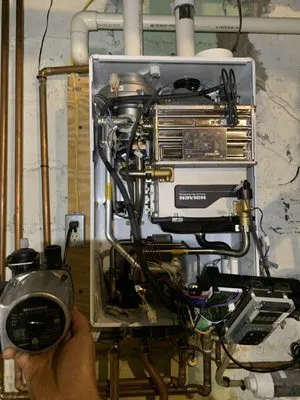
Bob and Kur Plumbing is a family-owned and operated Arlington business founded in 2021 by an experienced plumber with over a decade in the industry. As a father, husband, and son, Bob brings a persona...

Triple State Plumbing Services is a licensed plumbing company serving Arlington, VA, and surrounding areas. We specialize in residential plumbing installation, repair, and maintenance, with a focus on...

Founded by a third-generation Marine and Master Plumber, Marines Service Co. is a veteran-owned business built on the core values of service, honesty, and integrity learned in the US Marine Corps. Bas...

Plumb Professionals is a licensed and insured Class A plumbing and gas service company serving Ashburn and Northern Virginia with over 15 years of professional experience. We specialize in residential...
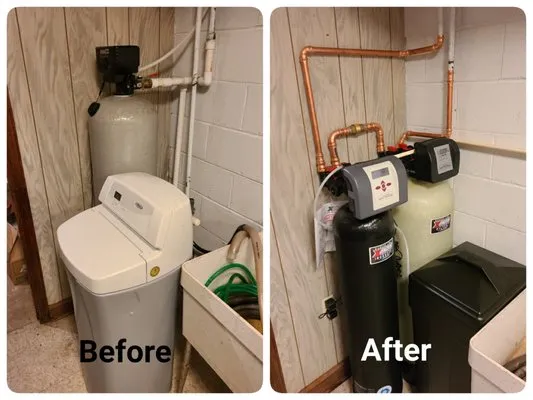
Veteran Plumbing Services
Veteran Plumbing Services is a locally owned, licensed, and insured plumbing company serving Fairfax and Northern Virginia. Founded by a 22-year U.S. Navy veteran with mechanical engineering expertise...
Estimated Plumbing Costs in University Center, VA
Common Questions
My home was built around 1998 - should I be worried about my plumbing?
Copper pipes installed in 1998 are now 28 years old. In Fairfax Station homes of this vintage, we're seeing accelerated pinhole leaks and joint calcification. The copper has endured nearly three decades of water chemistry changes and temperature cycles. Homeowners often notice small drips behind walls or reduced water pressure before major failures occur. Regular inspections can catch these issues before they become emergencies.
What causes those mysterious small leaks in older copper pipes?
Pinhole leaks develop in 28-year-old copper due to micro-galvanic corrosion and scale buildup. The copper interacts with minerals in our water supply, creating weak spots that eventually perforate. Joint calcification occurs where solder connections accumulate mineral deposits, restricting flow and creating stress points. These failures often manifest first in hot water lines and fixtures with frequent temperature changes.
Who handles permits and inspections for plumbing work in Fairfax County?
Fairfax County Land Development Services manages all plumbing permits and inspections. As a Virginia Department of Professional and Occupational Regulation licensed master plumber, I file the necessary paperwork and coordinate inspections. This ensures all work meets current code requirements for safety and resale value. Homeowners avoid navigating bureaucratic processes while maintaining proper documentation for their property records.
How does the hilly terrain around George Mason University affect plumbing?
The sloping landscape creates drainage challenges that stress main sewer lines. Downhill properties experience increased pressure on pipe joints during heavy rain events. Soil erosion around foundations can expose and damage buried supply lines. Proper grading and French drain systems help mitigate these issues, but regular main line inspections remain crucial for hillside homes.
What should I do before spring thaw to prevent plumbing problems?
Before temperatures rise above freezing consistently, insulate exposed pipes in crawl spaces and attics. Disconnect garden hoses and shut off exterior faucets to prevent backflow issues. Check for foundation cracks where melting snow could infiltrate and stress plumbing connections. Monitor water pressure during thaw periods when ground movement can affect main line connections.
Does hard water from Occoquan Reservoir damage my appliances?
Water from Occoquan Reservoir contains high mineral content that accelerates scale buildup. Water heaters accumulate sediment that reduces efficiency and can cause premature element failure. Fixtures develop mineral deposits that restrict flow and degrade seals over time. Installing a whole-house water softener or regular descaling treatments can extend appliance lifespan significantly.
As a suburban homeowner, what unique plumbing issues should I watch for?
Municipal water pressure in suburban Fairfax County typically runs higher than rural systems, stressing older pipe joints and fixtures. Tree roots seek moisture in lateral sewer lines, causing blockages that require professional clearing. Many homes have irrigation systems that need winterization to prevent freeze damage. Regular pressure regulator checks and sewer line camera inspections address these suburban-specific concerns.
How quickly can a plumber reach University Center in an emergency?
Heading past George Mason University on I-495 provides direct access to University Center. Our dispatch route follows this corridor, typically arriving within 30-45 minutes for urgent calls. Traffic patterns around the university and I-495 interchanges are factored into our response planning. We maintain vehicles stocked for common local repairs to minimize return trips.
