Top Emergency Plumbers in Stanley, VA, 22851 | Compare & Call

There are 48 plumbing companies server in Stanley VA
With over 25 years of dedicated plumbing experience, Bernie at Clarke County Plumbing brings a trusted, hands-on approach to every job in Berryville and the surrounding area. For more than a decade, h...
When a plumbing emergency disrupts your day in Manassas, you can rely on the experienced team at Old School Plumbing. For over a decade, we've been the trusted local plumber for Prince William County ...
Michael & Son Services Charlottesville
Michael & Son Services Charlottesville in Ruckersville, VA, is a family-owned and operated home services company with deep roots in Virginia communities. Established in 1976, they bring over four deca...
Wesley Hilbert is a trusted handyman and plumbing specialist serving Hinton, VA, and the surrounding area. With expertise spanning appliance installation and repair, handyman assembly, and comprehensi...
Rooter Man
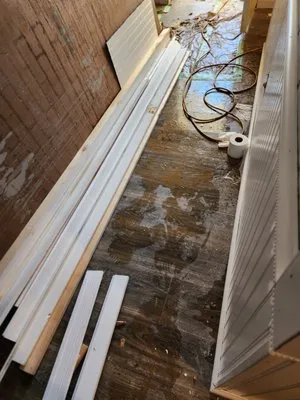
Rooter Man has been Charlottesville's trusted plumbing and drain cleaning expert for over 40 years. As a locally owned and operated company, we serve residents and businesses across Charlottesville, A...
Culpeper Home Services
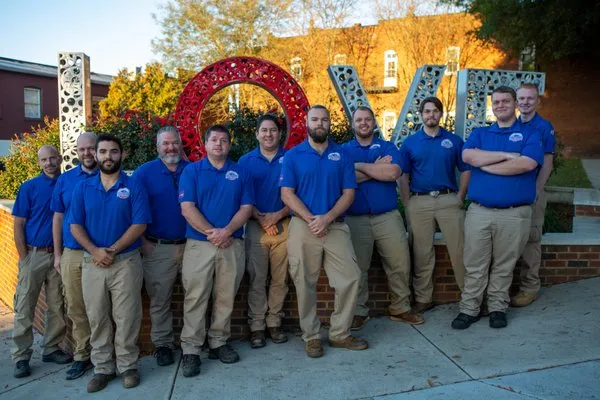
Culpeper Home Services is a trusted local provider in Culpeper, VA, with deep roots in the community. Founded by a master plumber who started as an apprentice in 1999, the business has grown to offer ...
Supreme Seal Coat
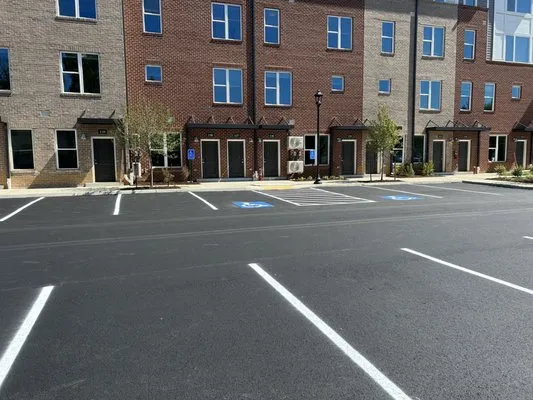
Founded on principles of integrity and renewal, Supreme Seal Coat in Stanley is more than a local business—it's a team built on second chances. From a young age, the drive to take pride in every job h...
Miller Plumbing Solutions is a trusted, full-service plumbing company serving Lyndhurst, VA, and the surrounding areas. We understand the specific challenges faced by local homeowners, including the c...

Veteran Built Homes is a family-owned construction and remodeling company serving Woodbridge, VA, and the greater DMV area. Founded in 2017 by retired Navy Veterans Mark Pembleton and Joe Maioriello, ...
Blanco A Construction is a locally owned and operated company serving Woodbridge, VA, with a foundation built on integrity, trust, and dedication. We approach every project, from plumbing inspections ...
Estimated Plumbing Costs in Stanley, VA
Common Questions
Why are my Stanley Downtown pipes suddenly failing after all these years?
Copper plumbing installed around 1972 is now 54 years old. At this age, the protective lining inside pipes has worn thin from decades of water flow. Homeowners in Stanley Downtown are seeing pinhole leaks in walls and ceilings, especially where pipes run through unheated spaces. This isn't sudden failure—it's the predictable outcome of material fatigue after half a century of service.
Who handles permits and inspections for plumbing work in Page County?
I coordinate directly with the Page County Building Department for all required permits. My Virginia Board for Contractors license ensures work meets state code requirements for well and septic systems. Homeowners don't need to navigate bureaucracy—I handle the red tape so repairs proceed smoothly and legally, with proper documentation for future property transfers.
How quickly can a plumber reach my home in Stanley?
Heading past Shenandoah National Park on US-340 gets me to most Stanley addresses within 45-60 minutes. I keep my truck stocked with common copper fittings and dielectric unions for these older homes. That dispatch route means I'm not wasting time returning to a supply house—I can start repairs immediately upon arrival.
How does hilly terrain affect my home's drainage system?
Slopes around Shenandoah National Park create drainage challenges. Downhill water pressure stresses main sewer lines, while uphill properties face slow drainage and potential backups. Soil erosion on hillsides can expose or damage buried pipes. Proper grading around your foundation is essential—without it, stormwater follows the path of least resistance, which often means into your basement or crawl space.
What causes those tiny leaks in my copper pipes?
Pinhole leaks develop in 54-year-old copper due to erosion corrosion. Water velocity wears away the interior pipe wall over decades, creating weak spots that eventually perforate. You'll often find these leaks at joints where turbulent flow occurs, or in horizontal runs where sediment settles and accelerates corrosion. The 1972-era copper was thinner walled than modern standards, making it more susceptible.
Does hard well water damage my plumbing system?
Hard water from private wells deposits mineral scale inside pipes and appliances. Water heaters suffer most—scale buildup on heating elements reduces efficiency by 30% or more, and tank interiors corrode faster. Fixtures develop restricted flow from mineral deposits in aerators and valves. Without municipal water treatment, Stanley homeowners need regular maintenance to manage these effects.
What should I do before spring thaw to prevent plumbing problems?
Insulate exposed pipes in crawl spaces and basements before temperatures drop to 24°F. Disconnect garden hoses and shut off exterior faucets from inside. Keep cabinet doors open under sinks to allow warm air circulation. These measures prevent freeze damage during cold snaps while accommodating our temperate climate's rapid temperature swings during spring thaw.
Are there special considerations for rural plumbing in Stanley?
Private wells and septic systems require different maintenance than municipal services. Well pumps need regular pressure tank checks and occasional screen cleaning. Septic systems demand careful water usage management and professional pumping every 3-5 years. Unlike city water, there's no backup supply when your well fails, so proactive maintenance is critical for uninterrupted service.
