Top Emergency Plumbers in Shenandoah Farms, VA, 22620 | Compare & Call

There are 147 plumbing companies server in Shenandoah Farms VA
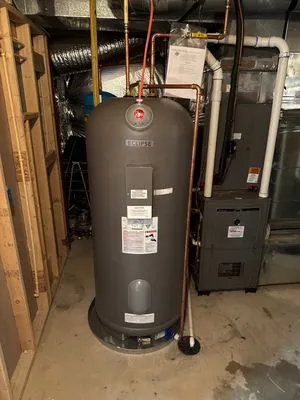
Reddick & Sons
Reddick & Sons is a family-owned and operated Class A contractor based in Manassas, VA, proudly serving Northern Virginia since 2009. Founded by Daniel Reddick, a Prince William County native who hold...
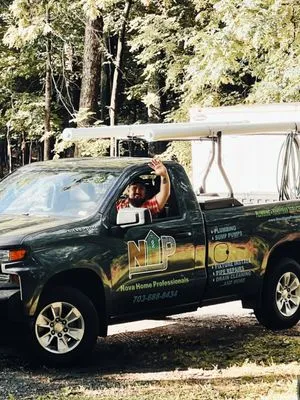
Two Irish Plumbers, formerly Nova Home Professionals, is a fully licensed and insured plumbing company serving Alexandria, VA. Owned and operated by Steven Katz and Ian Harris, we bring over 20 years ...

Founded by a third-generation Marine and Master Plumber, Marines Service Co. is a veteran-owned business built on the core values of service, honesty, and integrity learned in the US Marine Corps. Bas...

Plumb Professionals is a licensed and insured Class A plumbing and gas service company serving Ashburn and Northern Virginia with over 15 years of professional experience. We specialize in residential...
Chandler's Plumbing & Heating
Chandler's Plumbing & Heating Co Inc is a trusted, A+ Certified plumbing and HVAC contractor serving Falls Church and the surrounding Northern Virginia area. As a family-owned business, we take pride ...
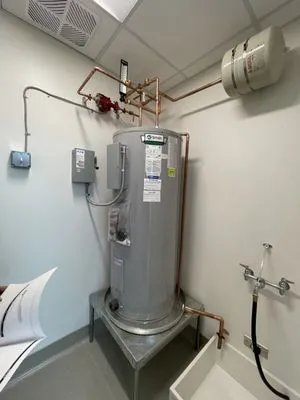
LV Plumbing is a family-owned and operated business in Alexandria, VA, founded in 2013 by father and son master plumbers. We built our reputation on residential work and later expanded into commercial...

AllTech Services
AllTech Services is a trusted, family-owned HVAC and plumbing company that has been serving Sterling, VA, and the surrounding Northern Virginia communities for over 20 years. Founded and led by Presid...
Chamberlain Services
Founded in 2009 by John Chamberlain, who began his career in 1978, Chamberlain Services brings over 60 years of combined technical expertise to every project. Based in Manassas, VA, and serving Northe...
Michael & Son Services
Michael & Son Services has been a trusted name in Alexandria, VA since 1974, providing reliable HVAC, plumbing, and electrical solutions to homes and businesses throughout the community. As a family-o...

Best-Air Plumbing and Heating is your trusted local plumbing and HVAC expert serving Gainesville, VA. We specialize in comprehensive solutions for common household issues like bathroom drain buildup a...
Estimated Plumbing Costs in Shenandoah Farms, VA
FAQs
What's the most important spring plumbing task here?
Before the spring thaw hits its peak, disconnect and drain any garden hoses. A hose left connected traps water in the bib, which can freeze and burst the pipe inside the wall, even with our temperate lows around 24°F. This simple, five-minute task prevents one of the most common and costly leaks we see after a cold snap in Shenandoah Farms.
How long does it take for a plumber to get to Shenandoah Farms?
From the Shenandoah River, the main route is heading east on VA-55 into the community. That drive typically takes 45 to 60 minutes depending on your specific lot. We factor that travel time into our dispatch, so you get an accurate window. Knowing the route allows us to be direct and efficient when you call with an urgent issue.
Is plumbing different in a rural area like Shenandoah Farms?
The rural setting defines the system. You're responsible for the entire water cycle, from the well pump and pressure tank to the septic field. There's no city water pressure to mask issues like a failing pressure switch, and a septic problem is a plumbing emergency. Service requires understanding how these interdependent components work as one system specific to your property.
Who pulls permits for a water heater or repipe job?
Warren County Building Inspections requires permits for major plumbing work. As a Master Plumber licensed by the Virginia Board for Contractors, I handle that red tape for you. This includes scheduling and meeting the inspector to ensure the work meets code. You don't have to navigate the process; proper documentation is part of a professional job.
Could the hilly land be causing my drainage problems?
Absolutely. The sloping terrain common here puts constant, uneven stress on your main sewer line. Over years, this can cause pipes to settle, bow, or develop leaks at the joints. During heavy rain, water runoff can also infiltrate a compromised line. If you have recurring slow drains or backups, the hillside is often a contributing factor that needs a camera inspection to diagnose.
My copper pipes are original to my house. What should I expect now?
Copper plumbing installed in 1998 is about 28 years old. In Shenandoah Farms, that age often means you might start seeing pinhole leaks, especially in hot water lines. These small, persistent leaks are caused by internal corrosion from decades of mineral interaction. It's a good time to have your visible pipes inspected for any greenish-blue corrosion spots, which are a clear warning sign before a failure occurs.
Why do my copper pipes keep springing small leaks?
For copper from the late 90s, pinhole leaks are a common failure. Internal corrosion, accelerated by our hard water, slowly eats through the pipe wall. You often find these leaks at solder joints or in horizontal runs where sediment settles. The fix isn't just patching one spot; it involves assessing the condition of the entire run to prevent the next leak.
Does having a private well affect my plumbing fixtures?
Yes, significantly. Water from a private well here is untreated and very hard, leading to rapid scale buildup. This mineral accumulation is hardest on water heaters, reducing efficiency and lifespan, and it clogs faucet aerators and showerheads. Installing and maintaining a whole-house water softener or conditioner is not a luxury here; it's essential protection for your plumbing investment.
